Apple unveils AirPods 5 with improved noise cancellation starting at $129
While both models retain the H2 chip, the new lineup introduces a multiport acoustic architecture and a lower price point for noise cancellation.

The Open-Ear Trade-off: Architecture vs. Silicon
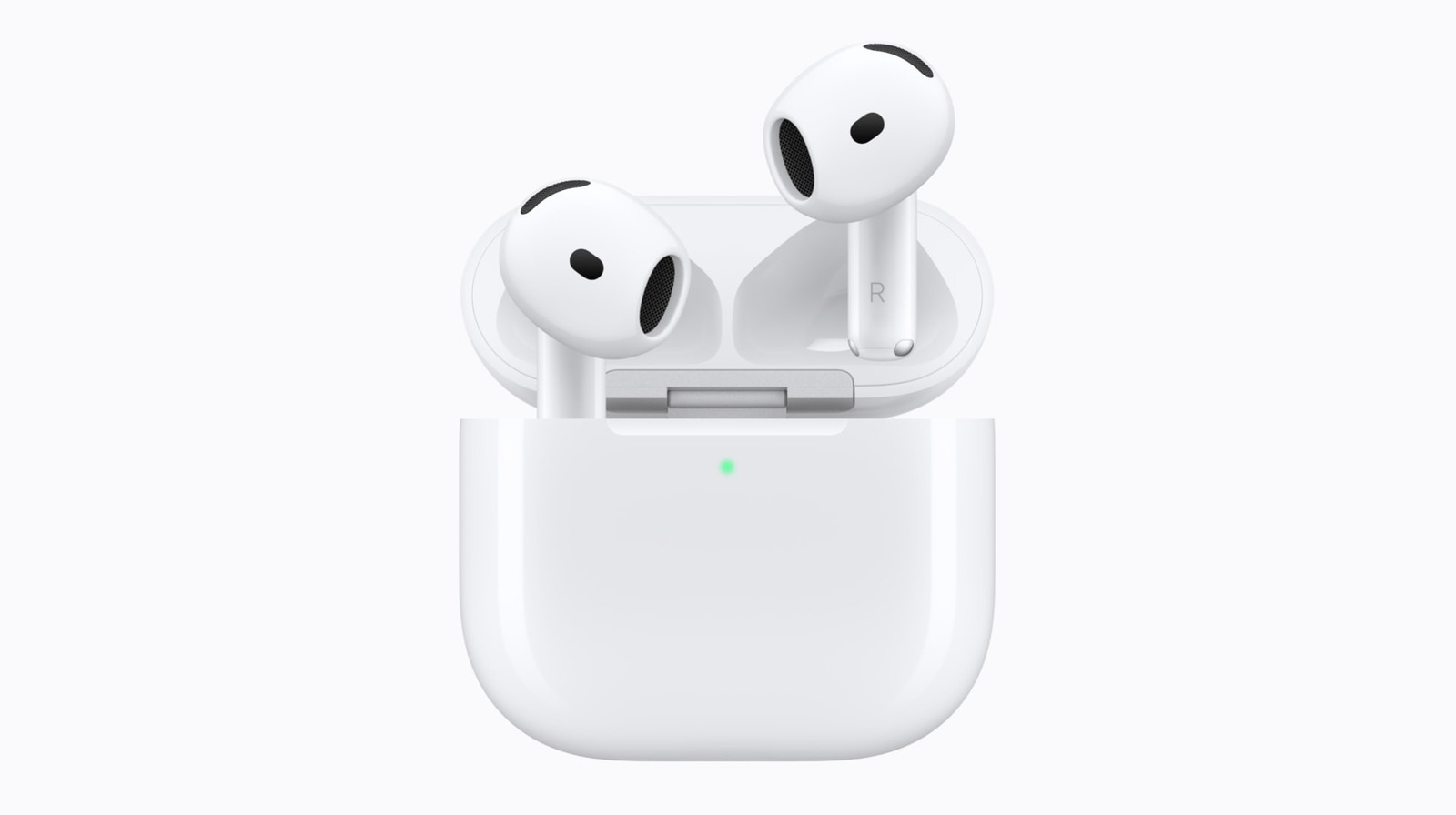
Apple is marketing the AirPods 5 as havingbest-in-class open-earnoise cancellation, attributing this to a new multiport acoustic architecture and next-generation Adaptive EQ. According to Mirror, the company promises this results in a "huge leap" in audio performance. Despite these claims, the internal processing power has not evolved. Both models are powered by the H2 chip, the same silicon found in previous iterations. This creates a tension between the promised 50% improvement in ANC and the lack of a hardware chip upgrade. Practical testing by CNET confirms that the noise canceling is more effective in the mid-to-high frequency range. However, the lack of a silicone tip—which provides the physical seal necessary for true noise isolation—means the AirPods 5 cannot compete with the AirPods Pro 3.
Tiered Pricing and Feature Distribution
Apple has maintained a two-model split for the AirPods 5, but the value proposition has shifted. Previously, ANC was reserved for the higher-end AirPods 4. Now, both tiers include ANC, Transparency mode, and Adaptive Audio. The primary distinctions between the two versions now center on the charging case, physical controls, and endurance.| Feature | AirPods 5 (Entry) | AirPods 5 (Step-up) |
|---|---|---|
| Price | $129 | $149 |
| ANC Support | Included | Included |
| Charging Case | Wireless Charging | |
| Volume Control | On-stem controls | |
| Battery (ANC On) | 4 hours | 5 hours |
| Battery (ANC Off) | 6 hours | 7 hours |
Software Intelligence and Durability
The AirPods 5 retain several "Pro" features, including Conversation Awareness, which lowers media volume when the user speaks, and Voice Isolation for clearer calls. When paired with an Apple Intelligence-compatible iPhone, the buds support Live Translation and hands-free Siri capabilities. However, there is a discrepancy regarding the "newness" of these AI features. While Mirror describes these as "smarter hands-free features," Tidbits disputes Apple's framing, arguing that the Siri AI integration is not a new feature for the hardware, as it functions similarly to existing Siri iterations. Physical durability has seen a measurable increase. The buds have moved from an IP54 rating to IP57. This transition means the AirPods 5 can now be fully submerged in water, whereas the AirPods 4 were only resistant to splashes and dust.Frequently Asked Questions
Is the noise cancellation as good as the AirPods Pro?
No. While Apple claims a 50% improvement over the previous generation, hands-on reports from CNET indicate that because they are open-ear buds, they still fall well short of the AirPods Pro 3's noise cancellation.
Related YouTube video

What is the difference between the $129 and $149 models?
The $149 model includes a wireless charging case, volume controls on the stems, and an extra hour of battery life both with ANC on (5 hours) and off (7 hours).
Do these use a new chip?
No. Both AirPods 5 models continue to use the H2 chip, relying on updated acoustic architecture rather than new silicon for their sound improvements.
Launch Timeline and Market Positioning
The AirPods 5 were unveiled during Apple's "Surprise and shine" event, appearing immediately after the introduction of the iPhone 18 Pro. While available for pre-order starting that day, the devices are scheduled to ship on Friday, September 18, 2026.
Apple's pricing strategy for this generation reveals a shift in the entry-level value. According to Tidbits, the base model retains its $129 price point, while the cost of the high-end model has been reduced from $179 to $149. This makes ANC accessible at a lower cost than in the previous generation, where it was exclusive to the premium variant.
Refining the Open-Ear Experience
Beyond noise cancellation, Apple has updated the internal audio processing. The company introduced a multiport acoustic architecture and next-generation Adaptive EQ, which Engadget reports is designed to make Personalized Spatial Audio more "immersive and dynamic." In hands-on testing, Cnet noted improved clarity, bass performance, and better separation between instruments.
Dave Pakula, Apple's vice president of Hardware Engineering, stated that both models deliver a world-class listening experience
, specifically highlighting the hands-free Siri capabilities and Live Translation. However, the functional gap between these and the Pro line remains significant; Cnet observes that without the physical seal of silicone tips, the AirPods 5 cannot match the isolation of the AirPods Pro 3.
For users, the next step in Apple's audio roadmap may involve a more radical hardware shift. While these buds rely on the H2 chip, rumors of earbuds equipped with IR cameras for visual intelligence and gesture recognition persist, with CNET reporting these are expected to materialize in 2027.
Archypedia is dedicated to independent, evidence-backed reporting. This briefing was synthesized from primary source reporting, corroborated across independent newsrooms, and verified against our Editorial Standards.
Transparency record
Evidence behind this report
This report synthesizes 6 distinct sources. Open the source ledger below to compare the underlying coverage.
Prepared under the Archypedia Editorial Policy by the Niko Vale editorial desk profile. AI-assisted tools may support drafting and verification; public accountability remains with Archypedia. Report an error.