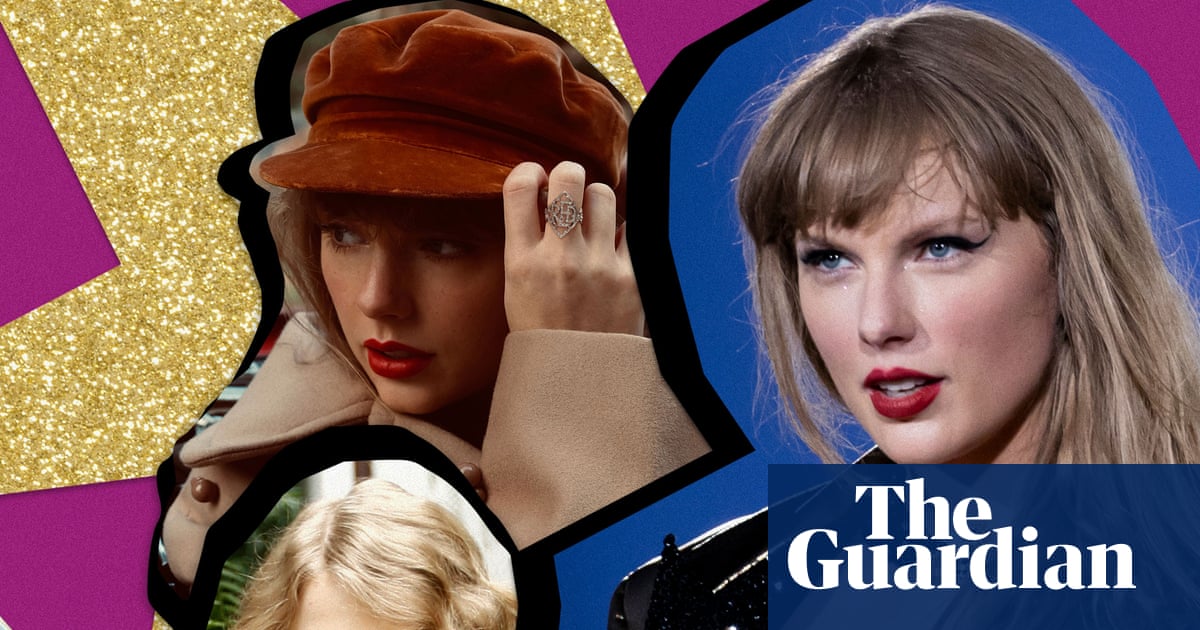
Taylor Swift’s Cultural Architecture: How She Redefined the Pop Industry
Taylor Swift has reshaped pop culture by integrating strategic music ownership, participatory fan engagement, and genre-blurring songwriting into a singular business model. According to analysis from The Guardian and industry reports, her 20-year career has shifted the power balance between artists and record labels while creating a new blueprint for celebrity-fan interaction.
How did Taylor Swift change the economics of music ownership?
Swift’s decision to re-record her first six studio albums represents a fundamental shift in how artists view intellectual property. After her original master recordings were sold without her consent, Swift launched the “Taylor’s Version” project to reclaim control over her work. The Guardian notes that this move didn’t just recover her assets; it taught a generation of artists and fans about the mechanics of music publishing and master rights.
By encouraging fans to stream the re-recorded versions over the originals, Swift effectively demonetized the original masters for their new owners. This strategy turned a legal dispute into a marketing campaign, proving that a sufficiently loyal fanbase can override traditional industry ownership structures.
The implications extend beyond her own catalog. This precedent has prompted other artists to scrutinize their contracts and prioritize ownership of their masters from the start of their careers.
| Industry Standard Model | The “Swift” Model |
|---|---|
| Label owns master recordings in exchange for promotion | Artist re-records work to regain control and value |
| Passive consumption of released albums | Active “hunting” for clues and hidden meanings |
| Linear career progression (Genre A to Genre B) | Cyclical “Eras” where past styles are revisited |
| Artist as a product of the label | Artist as the CEO of their own brand ecosystem |
What makes Taylor Swift’s songwriting a cultural tool?
Swift’s songwriting has evolved from teenage diary entries to complex narrative architecture. Rappler describes her lyrical progression as that of a “showgirl,” blending high-concept performance with intimate storytelling. This evolution allows her to maintain a connection with fans who grew up with her, as her themes shifted from high school heartbreak to the pressures of global superstardom and adult disillusionment.
Her lyrics often function as a shared language. By embedding specific, concrete details—a scarf, a 2 a.m. phone call, a specific city—she creates a sense of authenticity that listeners map onto their own lives. This technique transforms a pop song into a communal experience.

- Narrative Continuity: Swift uses recurring motifs across different albums, creating a “cinematic universe” of lyrics.
- Genre Fluidity: Moving from country to synth-pop and later to indie-folk (during the Folklore and Evermore era) proved that a pop star could maintain commercial viability while experimenting with sonic textures.
- Emotional Transparency: Her willingness to document public failures and triumphs makes her a proxy for her audience’s own emotional journeys.
Rappler’s analysis suggests that her songwriting is not just about melody, but about the strategic deployment of vulnerability to build trust with an audience.
How did she build a participatory fan universe?
Unlike traditional pop stars who maintain a distance from their audience, Swift built what Young Hollywood describes as a “participatory fan universe.” This system relies on “Easter eggs”—hidden clues in liner notes, music videos, and social media posts—that reward fans for deep analysis and obsessive attention.
This gamification of music consumption transforms the act of listening into a detective project. Fans don’t just hear a song; they decode it. This creates a high level of engagement that keeps the artist relevant between album cycles.
“The relationship is no longer a one-way broadcast from star to fan, but a two-way dialogue where the fans feel they are helping to uncover the story in real-time.”
This participatory model has several key components:
- The Lore: A complex web of interconnected stories and references that reward long-term loyalty.
- Direct Interaction: Early in her career, “Secret Sessions” where fans were invited to her home, established a foundation of intimacy.
- Digital Community: Leveraging social media to validate fan theories, making the audience feel seen and heard by the artist.
Why is the intersection of Swift’s personal life and public image so impactful?
Swift’s personal relationships have often served as the primary catalyst for her songwriting and public narrative. Yahoo reports that her lyrics regarding high-profile figures, including her relationship with NFL player Travis Kelce, generate massive cross-industry interest. This intersection has brought a significant influx of new demographics—particularly sports fans—into her orbit.
The “Kelce effect” demonstrates Swift’s ability to merge disparate cultural spheres. When she attends NFL games, the viewership spikes among young women, illustrating her power to drive attention to any entity she associates with. This isn’t merely celebrity gossip; it is a demonstration of “attention capital.”
However, this focus on her personal life is a double-edged sword. While it fuels her songwriting and keeps her in the headlines, it also subjects her to intense public scrutiny. Swift has managed this by framing her relationships through her own lyrics, ensuring she controls the narrative of her own life.
What is the broader economic impact of the Eras Tour?
The Eras Tour has transitioned from a concert series to a macroeconomic event. The Guardian highlights how the tour has sparked “Swiftnomics,” where local economies experience surges in hotel bookings, travel, and retail whenever she performs in a city.
This economic phenomenon is driven by the “eventization” of the concert. Fans don’t just buy a ticket; they invest in costumes, travel, and community experiences. This has forced cities to prepare for her arrival as if it were a major sporting event or a political convention.
Key economic drivers include:
- Tourism Spikes: Massive increases in short-term rental demand and hospitality revenue.
- Merchandise Ecosystem: A sophisticated retail operation that turns concert-goers into walking billboards.
- Ticket Market Disruption: The tour’s demand exposed the flaws in primary ticketing platforms, leading to wider discussions about consumer protection and bot-driven pricing.
Comparing the Traditional Pop Star vs. the Swift Blueprint
To understand how Swift “remade pop culture in her image,” as discussed in analysis by The Guardian, it’s necessary to contrast her approach with the traditional pop trajectory of the early 2000s.
Traditional pop stars were often crafted by labels with a specific image and sound designed for immediate consumption. Their longevity depended on the label’s ability to pivot their image every few years. Swift, conversely, leaned into the idea of “Eras.” Instead of erasing her past, she treats her previous versions as chapters in a larger autobiography.
While previous icons like Madonna or Michael Jackson changed their sound to stay current, Swift changed the industry’s expectations of how an artist should age and evolve. She proved that an artist could be both a global commercial juggernaut and a respected songwriter with “indie” sensibilities.
Related explainer on the evolution of music streaming royalties provides more context on how these shifts in ownership affect modern artists.
Common misconceptions about Swift’s influence
A frequent oversimplification is that Swift’s success is purely a result of “relatable” songwriting. While relatability is a factor, industry analysts point to her rigorous business discipline. Her success is as much a result of legal strategy and brand management as it is of musical talent.
Another misconception is that her fan engagement is accidental. The “Easter egg” culture is a calculated engagement strategy that mirrors the way modern gaming and cinematic franchises (like the Marvel Cinematic Universe) maintain audience interest. It is a sophisticated application of behavioral psychology to music marketing.
Frequently Asked Questions
How did Taylor Swift influence the music industry’s approach to masters?
By re-recording her early albums as “Taylor’s Version,” she demonstrated that artists could reclaim the value of their work by leveraging fan loyalty to bypass the owners of the original master recordings.
What is a “participatory fan universe” in the context of Taylor Swift?
It is a fan experience where the audience actively engages in decoding clues, solving puzzles, and theorizing about future releases, transforming the listener from a passive consumer into an active participant.
What is “Swiftnomics”?
Swiftnomics refers to the measurable positive economic impact on local businesses, tourism, and hospitality in cities that host the Eras Tour.
How has her songwriting evolved over 20 years?
According to Rappler, she transitioned from country-focused narratives of youth to a more complex, “showgirl” style of songwriting that blends multiple genres and explores mature themes of fame, grief, and adulthood.
Why are her relationships, such as with Travis Kelce, considered culturally significant?
These relationships create intersections between different cultural silos (like pop music and professional sports), expanding her reach and driving massive viewership and engagement across multiple platforms.
The trajectory of Swift’s career suggests a future where the boundary between the artist and the executive disappears entirely. As she continues to expand her reach into film and further business ventures, the “Swift model” of total brand integration will likely be adopted by other artists seeking similar autonomy and longevity.
