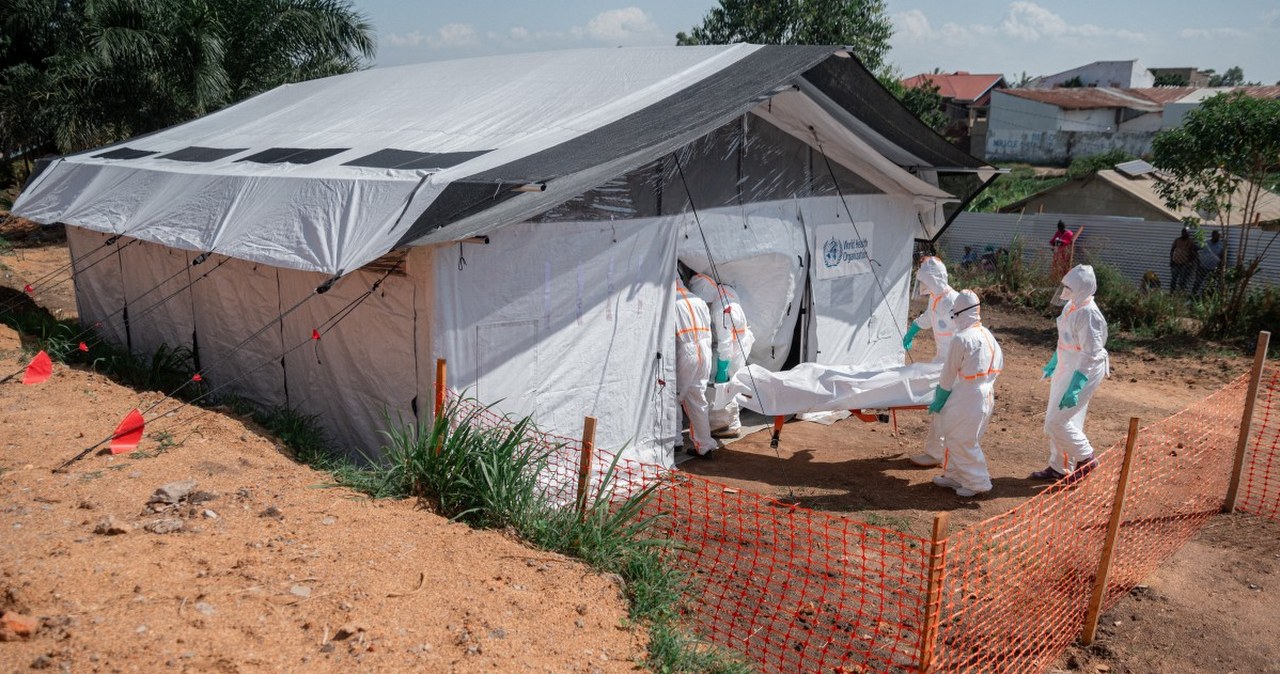
The Bundibugyo strain of the Ebola virus has triggered a surge in infections across the Democratic Republic of the Congo, prompting urgent appeals from G7 leaders and warnings from international health organizations. Local media reports indicate a sharp increase in cases, with the World Health Organization (WHO) noting the outbreak’s potential to escalate further without coordinated intervention.
Rising Cases and International Response
Health officials in the DRC confirmed a significant rise in Ebola infections linked to the Bundibugyo strain, which first emerged in 2007. The virus has spread to multiple provinces, with the Red Cross reporting “a worrying acceleration” in transmission rates. According to public health authorities, over 200 confirmed cases have been recorded in the past month, though exact figures remain unverified due to ongoing data collection efforts.
In a joint statement, G7 leaders called for “immediate and targeted support” to contain the outbreak, emphasizing the need for vaccine distribution and community engagement. “This crisis demands global solidarity,” the statement read. “Failure to act could result in a humanitarian catastrophe.” The G7 also pledged additional funding for local health systems, though specifics of the financial commitment were not disclosed.
Global Concerns and Calls for Action
The outbreak has reignited fears of a broader regional health emergency, particularly in neighboring countries with porous borders and limited medical infrastructure. The African Union has urged swift action, citing the 2014-2016 West Africa Ebola epidemic as a cautionary example. “History has shown that delays in response lead to devastating consequences,” a AU spokesperson said.
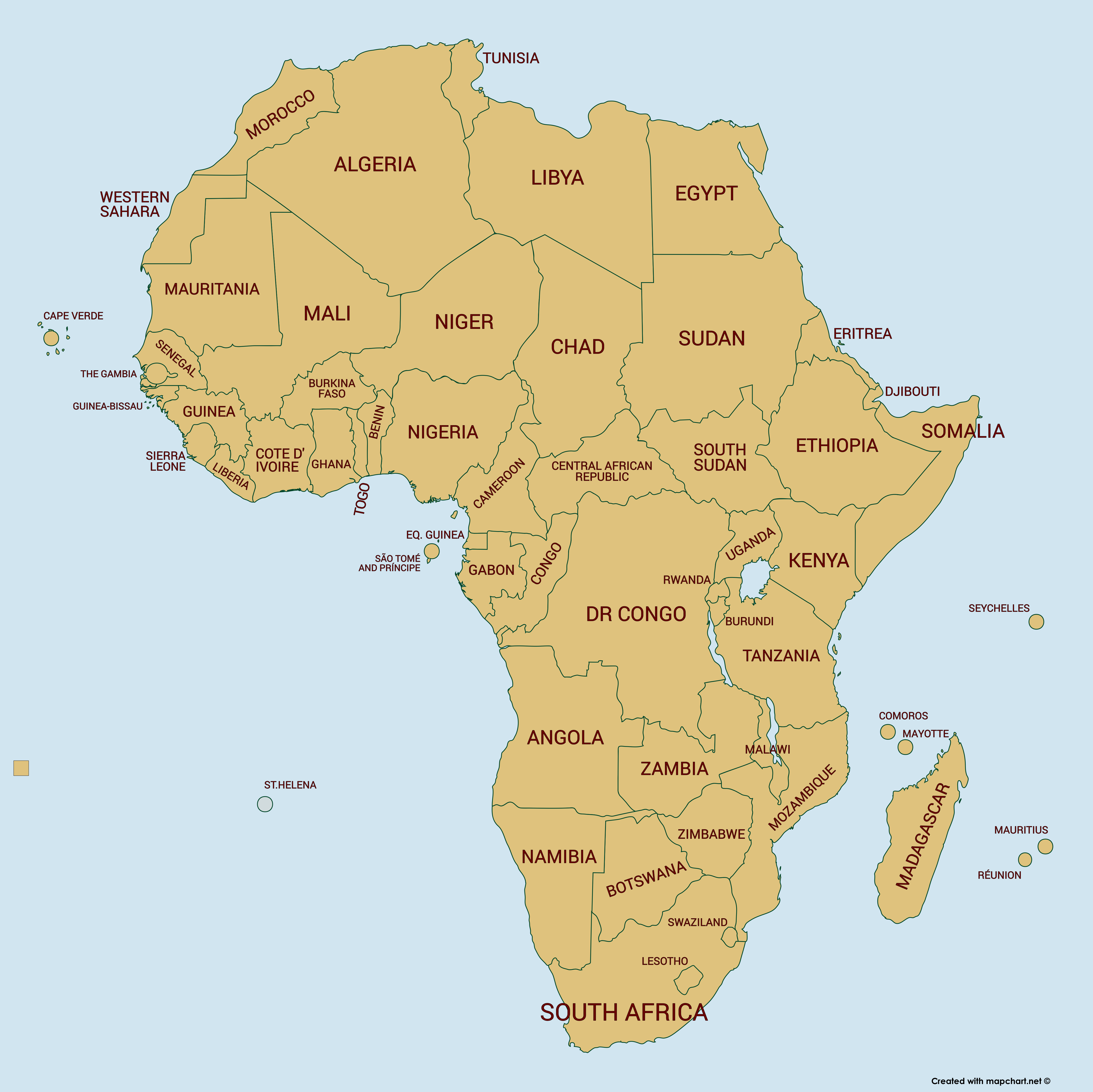
International health experts have highlighted the challenges of combating the Bundibugyo strain, which differs from the more commonly reported Zaire strain. Unlike previous outbreaks, this variant has shown higher transmissibility in urban areas, complicating containment efforts. The WHO has deployed a team of epidemiologists to the DRC to assess the situation and advise on containment strategies.
Local communities, meanwhile, face dual challenges of misinformation and distrust in government health initiatives. A recent survey by a Congolese NGO found that nearly 40% of residents in affected regions believe the outbreak is a government fabrication. Health workers have since launched awareness campaigns to address these concerns, using radio broadcasts and community leaders to disseminate accurate information.
The Red Cross has also warned of the risk of a “cascading effect” if the outbreak is not controlled, citing the potential for cross-border spread and the strain on already overburdened healthcare facilities. “Every hour lost is a step toward a larger disaster,” a Red Cross official said.
