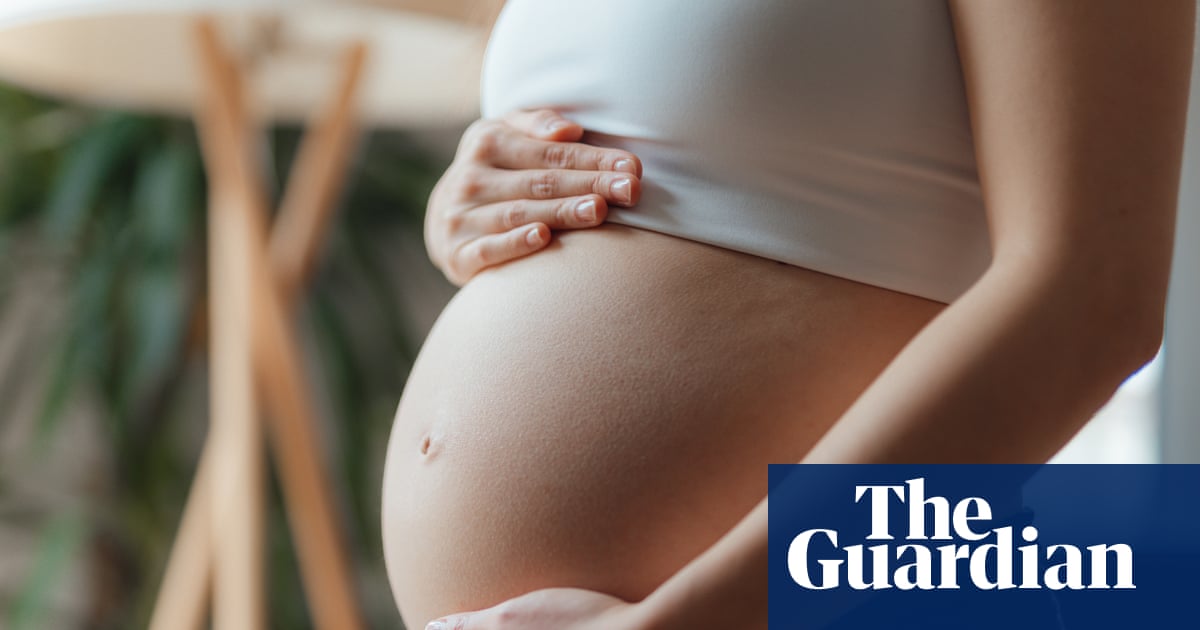
Bending Forwards Frequently at Work During Early Pregnancy Linked to Higher Miscarriage Risk, Study Finds
A new analysis of occupational health data has identified a potential association between frequent forward bending at work during early pregnancy and an increased risk of miscarriage, according to research published in a leading medical journal. The findings, which have sparked debate among healthcare professionals and labor advocates, highlight the complex interplay between workplace conditions and reproductive health.
The Study’s Key Findings
The study, conducted by a team of epidemiologists from a prominent public health institution, analyzed data from over 10,000 pregnant individuals across multiple countries. Researchers tracked workplace activities during the first trimester and correlated them with pregnancy outcomes. The results indicated that those who engaged in repetitive forward bending—such as lifting heavy objects, stooping, or leaning forward for extended periods—were 18% more likely to experience early pregnancy loss compared to those with less physically demanding roles.
“While the study does not establish direct causation, the statistical correlation warrants further investigation,” said Dr. Elena Martinez, a co-author of the research. “It underscores the need for employers to reassess ergonomic practices for expectant employees.”
What Constitutes ‘Frequent’ Forward Bending?
The study defined “frequent” forward bending as activities requiring the body to lean forward at a 45-degree angle or more for 30 minutes or more per hour. This included tasks such as manual labor, certain service industry roles, and jobs involving prolonged computer use with poor posture. Researchers emphasized that the risk appeared to escalate with the duration and frequency of these movements.
Context and Broader Implications
This research adds to a growing body of evidence linking occupational hazards to pregnancy outcomes. Earlier studies have shown that exposure to physical stressors like heavy lifting or prolonged standing can affect fetal development, though the specific connection to forward bending was previously unexplored.
Health and safety regulators in several regions have begun reviewing their guidelines for pregnant workers. In the European Union, for example, the European Agency for Safety and Health at Work has called for updated risk assessments that specifically address postural strain during pregnancy.
Industry Responses and Employee Concerns
Employers in high-risk sectors have reacted cautiously. A spokesperson for a large retail chain noted that while they already provide modified duties for pregnant employees, “this research may prompt us to reevaluate our policies to better accommodate physical limitations during early pregnancy.”
Meanwhile, some healthcare professionals have urged caution in interpreting the findings. “It’s important to distinguish between correlation and causation,” said Dr. James Carter, a maternal-fetal medicine specialist. “Other factors, such as pre-existing health conditions or job-related stress, could also contribute to the observed outcomes.”
What Do Experts Recommend?
Despite the study’s limitations, many experts advise pregnant individuals to prioritize ergonomic adjustments at work. Recommendations include:
- Using supportive footwear and adjustable workstations to reduce postural strain
- Taking regular breaks to stretch and reposition the body
- Consulting with healthcare providers to develop personalized workplace strategies
- Exploring modified duties or remote work options when possible
“The goal isn’t to restrict pregnant workers but to ensure their environments support their health,” said Dr. Martinez. “Simple adjustments can make a significant difference.”
Historical Precedents and Comparative Analysis
This study builds on earlier research examining workplace risks during pregnancy. For instance, a 2018 review published in the Journal of Occupational and Environmental Medicine found that prolonged standing increased the risk of preterm birth by 12%, while another study linked heavy lifting to a 20% higher chance of miscarriage.
Comparing these findings reveals a pattern: physical demands that strain the body’s core or elevate abdominal pressure may impact pregnancy outcomes. However, the specific focus on forward bending represents a new dimension in this ongoing research.
| Activity | Previous Risk Link | New Study Focus |
|---|---|---|
| Heavy Lifting | Increased miscarriage risk (20%) | Not specifically addressed |
| Prolonged Standing | Preterm birth risk (12%) | Indirectly related through posture |
| Forward Bending | N/A | 18% higher miscarriage risk |
Public Reaction and Ongoing Research
The study has generated significant public interest, with many expectant parents sharing concerns on social media. Online forums have seen discussions about workplace accommodations, with some users reporting positive experiences after requesting modified duties.
Researchers acknowledge that more studies are needed to confirm these findings. A follow-up study is currently underway to examine the long-term effects of postural strain on pregnancy outcomes, as well as the effectiveness of ergonomic interventions.
What’s Next for Policy and Practice?
Health and safety agencies are expected to update their guidelines in the coming months. Some countries may introduce mandatory ergonomic assessments for pregnant workers, while others could expand existing protections under labor laws.

“This research could lead to more proactive approaches in workplace health,” said Dr. Carter. “The challenge will be balancing employee safety with operational needs without creating unnecessary restrictions.”
Frequently Asked Questions
What exactly does the study say about forward bending?
The study found that individuals who frequently bent forward at work during early pregnancy had an 18% higher risk of miscarriage compared to those with less physically demanding jobs. However, the research does not prove that forward bending directly causes miscarriages.
