
Computed tomography (CT) scans increase the long-term risk of developing cancer due to the use of ionizing radiation, though the risk from a single procedure is generally low. According to analysis from researchers at The Conversation, this risk increases with cumulative exposure and is more pronounced in younger patients, although the immediate diagnostic benefits typically outweigh the potential long-term harms.
- Cumulative Exposure: Repeated CT scans increase the probability of DNA mutations.
- Age Sensitivity: Children and adolescents are more susceptible to radiation-induced cancers than adults.
- Risk-Benefit Ratio: The immediate need for an accurate diagnosis usually justifies the small increase in long-term cancer risk.
- Mitigation: Medical professionals follow the “ALARA” principle to minimize radiation doses.
How Ionizing Radiation Increases Cancer Risk
CT scans utilize ionizing radiation, a form of high-energy radiation capable of removing electrons from atoms. According to the research, when this radiation enters the body, it can cause direct or indirect damage to the DNA within cells. If the body’s natural repair mechanisms fail to fix these mutations correctly, the cells may grow uncontrollably, eventually leading to the formation of cancerous tumors.

The risk is not immediate but manifests over years or decades. The probability of developing cancer depends on the dose of radiation received, the specific area of the body scanned, and the individual’s genetic predisposition to radiation sensitivity.
Why Children and Adolescents Face Higher Risks
Age is a critical factor in determining radiation risk. According to the study authors, younger patients are significantly more vulnerable to the effects of CT scans for two primary reasons: their cells divide more rapidly, and they have a longer remaining lifespan for cancer to develop following exposure.
Because children’s tissues are more sensitive to ionizing radiation, medical guidelines emphasize extreme caution when ordering CT scans for pediatric patients to avoid unnecessary cumulative exposure.
Balancing Diagnostic Necessity and Radiation Risk
While the link between radiation and cancer is established, the research emphasizes that the risk is statistical rather than a certainty. In most clinical scenarios, the danger of leaving a serious condition undiagnosed—such as an internal hemorrhage, tumor, or organ failure—is far greater than the marginal increase in lifetime cancer risk.
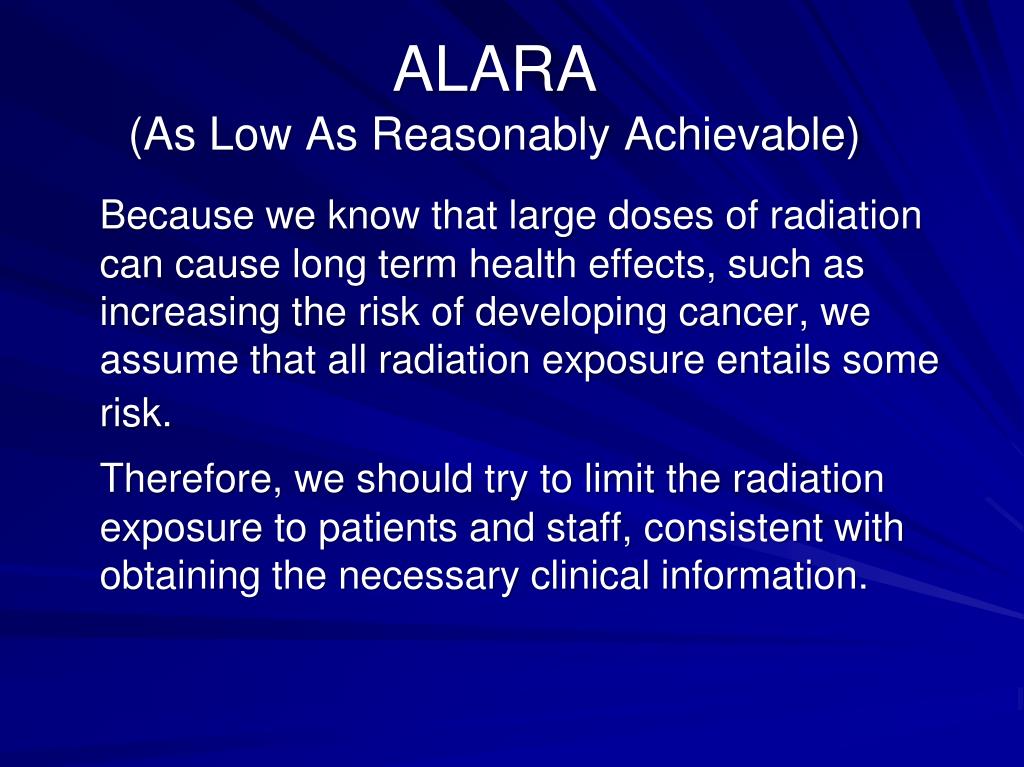
To manage this, healthcare providers employ the ALARA principle, which stands for “As Low As Reasonably Achievable.” This protocol requires clinicians to use the lowest radiation dose possible to obtain a diagnostic-quality image and to avoid scans unless they are medically necessary.
Alternatives to CT Imaging
Depending on the medical objective, other imaging modalities may be used to eliminate radiation risk entirely. The research notes that clinicians may opt for:
- Magnetic Resonance Imaging (MRI): Uses strong magnetic fields and radio waves instead of radiation.
- Ultrasound: Uses high-frequency sound waves to visualize internal structures.
These alternatives are often preferred for pregnant women and children when the clinical question can be answered without the high-resolution cross-sectional detail provided by a CT scan.
