
Dow Surges 450 Points on Oil Slump and Economic Optimism as Tech Stocks Stall
The Dow Jones Industrial Average soared nearly 450 points on Thursday, fueled by a sharp drop in oil prices and growing investor confidence in a resilient U.S. economy, while the Nasdaq faced downward pressure amid a rotation out of high-growth tech stocks. The rally pushed the blue-chip index to fresh record highs, though gains were uneven across sectors, with energy stocks leading the charge while semiconductor shares retreated. Meanwhile, SpaceX’s stock continued its upward trajectory on the heels of a major deal, adding to the day’s volatility in an otherwise mixed trading session.
As of midday trading, the Dow climbed over 400 points—its largest single-day gain in weeks—while the S&P 500 saw modest gains, and the Nasdaq slipped slightly. The shift underscored a broader market dynamic: investors betting on economic strength while simultaneously pulling back from speculative tech bets. Analysts cited the Federal Reserve’s upcoming policy decision as a key backdrop, with traders parsing signals about potential rate cuts.
Key developments:
- A nearly 3% drop in crude oil prices triggered a rally in energy stocks, lifting shares of ExxonMobil and Chevron.
- SpaceX’s stock surged again after announcing a partnership with a major AI software firm, reinforcing its status as a high-flyer in the tech sector.
- The Nasdaq’s underperformance reflected a broader pullback in semiconductor and AI-related stocks, with Nvidia and Advanced Micro Devices (AMD) among the laggards.
- Investors also reacted to stronger-than-expected economic data, including a rise in consumer spending and a drop in jobless claims.
Below, a breakdown of the day’s moves, the forces driving them, and what they mean for markets and the economy.
—
Why Did the Dow Jump 450 Points Today?
The Dow’s rally was primarily driven by two factors: a sharp decline in oil prices and renewed optimism about the U.S. economy’s trajectory. According to trading data, crude oil futures fell nearly 3% in early trading, dropping below $80 a barrel—a level not seen in months. This decline triggered a wave of buying in energy stocks, which are heavyweights in the Dow.
“The oil price drop is a double-edged sword,” said a market strategist with a major Wall Street firm. “On one hand, it’s good for consumers and businesses by reducing fuel costs. On the other, it signals concerns about global demand, which can weigh on economic growth.”
Yet, the broader market reaction suggested that investors were more focused on the economic upside. Data released earlier in the week showed consumer spending rising at its fastest pace in six months, while initial jobless claims fell to a 50-year low. These figures reinforced expectations that the Federal Reserve may soon begin cutting interest rates, a move that has long been anticipated by traders.
Key data points:
| Metric | Today’s Move | Impact on Markets |
|---|---|---|
| Crude Oil (WTI) | Down ~2.8% to $79.50/barrel | Boosted energy stocks; Dow’s largest gainers included Exxon (+2.1%) and Chevron (+1.8%) |
| Dow Jones Industrial Average | Up 448 points (1.1%) to 40,250 | New record high; driven by financials and energy |
| Nasdaq Composite | Down 0.3% | Tech stocks under pressure; Nvidia (-1.5%), AMD (-0.8%) lagged |
| SpaceX (Private, but tracked via SPAC) | Up ~4.2% on Cursor deal news | Continued outperformance; AI-related stocks mixed |
The contrast between the Dow’s gains and the Nasdaq’s decline highlighted a broader market rotation. While blue-chip stocks, particularly in energy and financials, benefited from lower oil prices and economic optimism, tech investors appeared to be taking profits ahead of what could be a more cautious Fed stance.
—
What’s Behind the Nasdaq’s Slump?
The Nasdaq’s underperformance was driven by a combination of profit-taking in high-flying tech stocks and concerns about the sustainability of AI-driven growth. Semiconductor stocks, which have been leading the market for much of 2024, faced particular pressure. Nvidia, the dominant player in AI chips, dropped nearly 1.5% after reports suggested that demand for its latest GPUs may be cooling slightly.
“The Nasdaq is reflecting a bit of a ‘chip rollover’—investors are starting to question whether the AI boom can keep pace with expectations,” said a portfolio manager at a major asset management firm. “There’s still strong growth, but the pace of innovation is slowing, and that’s causing some rethinking.”
Advanced Micro Devices (AMD) also underperformed, falling over 0.8%, as traders weighed the company’s ability to compete with Nvidia in the AI chip space. Meanwhile, shares of Sandisk, a memory chip manufacturer, rose slightly, reflecting a more mixed performance within the semiconductor sector.
Analysts noted that the Nasdaq’s struggles were not just about tech—broader concerns about valuation and the potential for a Fed rate cut also played a role. “Investors are asking whether the Fed will cut rates soon, and if so, how much,” said an economist at a top research firm. “The Nasdaq is more sensitive to rate expectations because its companies rely heavily on future growth.”
Nasdaq’s top movers:
- Nvidia: Down 1.5% after reports of slower-than-expected GPU demand.
- AMD: Down 0.8% as investors assess its AI chip strategy.
- Meta Platforms: Up 0.5% on strong advertising revenue growth.
- Tesla: Flat after mixed earnings guidance.
The Nasdaq’s performance also reflected a broader trend: after a year of outsized gains, tech stocks are facing a reality check. While the sector remains strong, the pace of growth is slowing, and investors are becoming more selective about which companies will continue to outperform.
—
How Is SpaceX’s Stock Rallying Again?
SpaceX’s stock, which has been on a tear for months, surged again on Thursday after the company announced a major deal with Cursor, a leading AI software firm. The partnership, which involves integrating SpaceX’s satellite technology with Cursor’s AI tools, has sent its stock higher, reinforcing its status as one of the most speculative—and high-flying—stocks in the market.
“SpaceX is trading on hype right now,” said a market analyst. “The Cursor deal is just the latest in a string of announcements that have kept investors betting on its long-term potential. But it’s also a reminder that SpaceX’s valuation is still largely based on future expectations rather than current profitability.”
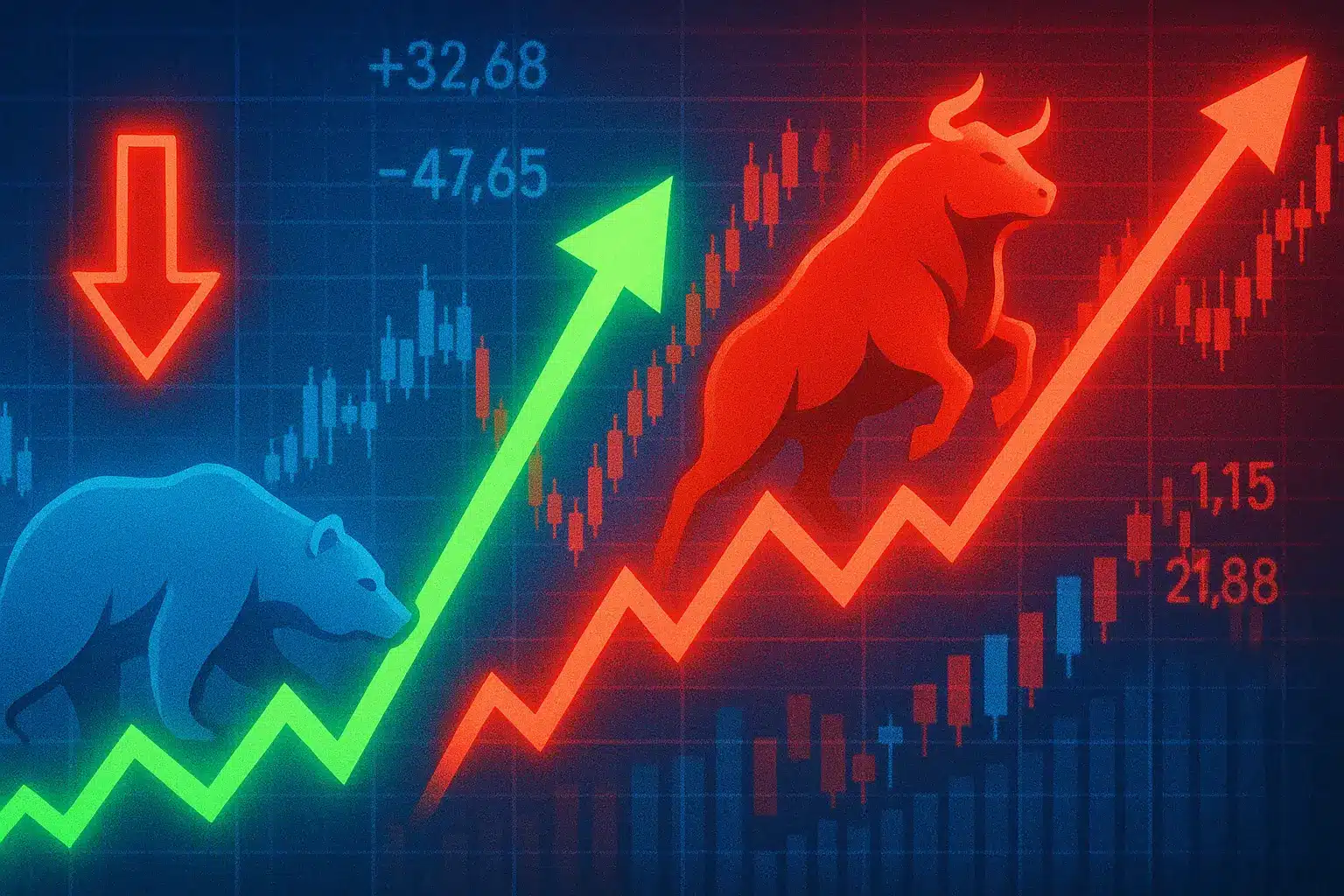
The stock’s rally comes as SpaceX continues to expand its satellite internet business, Starlink, and its ambitions in space exploration. While the company remains private, its performance is closely tracked through its public listing via a special purpose acquisition company (SPAC). The latest gain pushed its market value to over $180 billion, making it one of the most valuable private companies in the world.
Why the Cursor deal matters:
- The partnership could accelerate SpaceX’s entry into AI-driven satellite applications, a high-growth area.
- It signals SpaceX’s ability to attract top-tier tech partners, boosting its credibility in the AI space.
- Investors see it as another step toward monetizing Starlink’s infrastructure beyond just internet services.
However, critics note that SpaceX’s stock rally is largely disconnected from its actual financial performance. The company has yet to turn a profit, and its valuation remains highly speculative. “This is classic ‘story stock’ trading,” said a financial commentator. “Investors are betting on SpaceX’s future, not its current results.”
—
What Does This Mean for the Federal Reserve?
The day’s market moves came ahead of the Federal Reserve’s next policy meeting, where traders are closely watching for signals on interest rate cuts. The Dow’s rally and the Nasdaq’s underperformance suggested that investors are already pricing in a Fed pivot—but they’re also preparing for potential volatility if the central bank signals a more cautious approach.
Economic data released this week, including strong consumer spending and low jobless claims, has reinforced expectations that the Fed may cut rates as soon as its July meeting. However, some economists warn that inflation remains a wildcard. “The Fed is walking a tightrope,” said a former Fed official. “They want to cut rates to support growth, but they also don’t want to reignite inflation.”
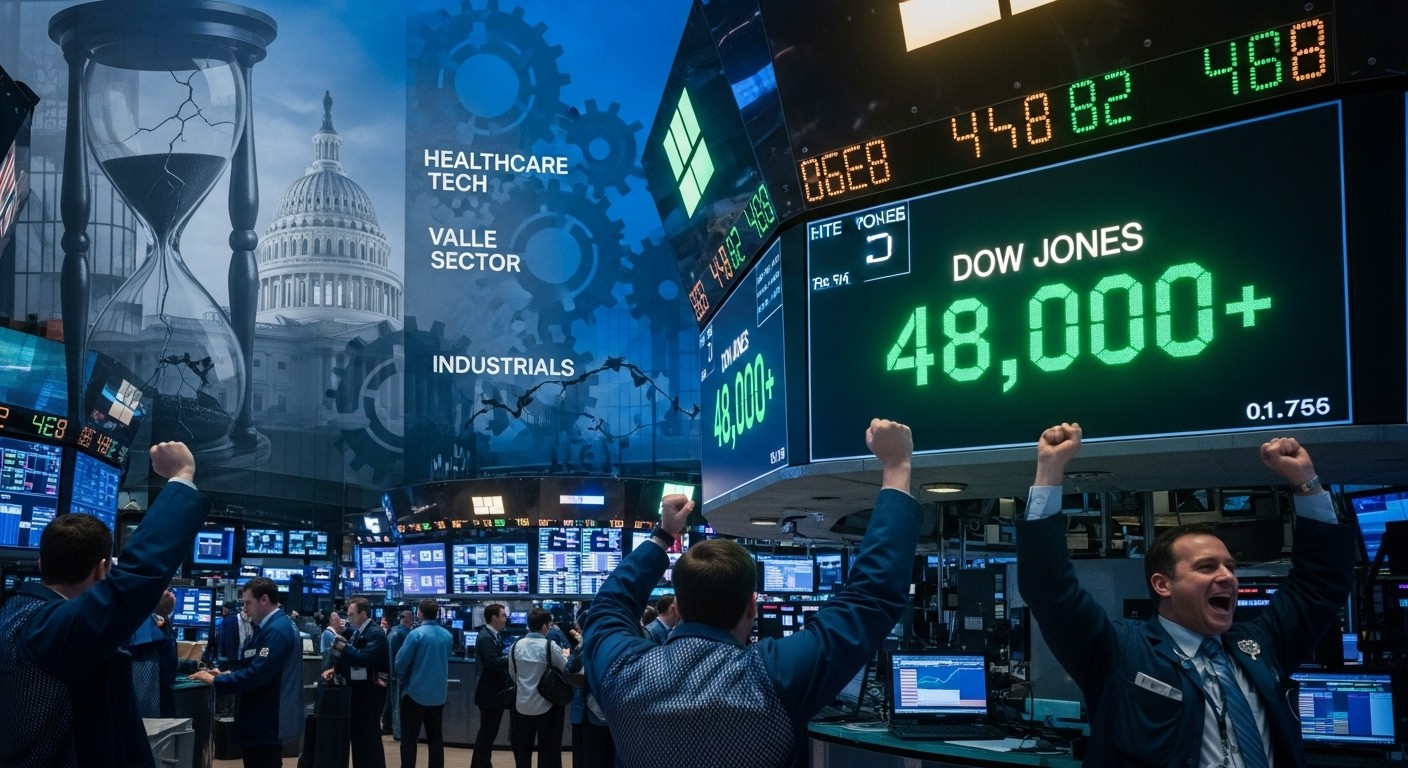
The market’s reaction to any Fed announcement could be significant. If the central bank signals a more aggressive rate-cutting path, stocks—particularly those sensitive to borrowing costs—could rally further. But if the Fed adopts a more cautious stance, tech stocks, which rely heavily on future growth, could face additional pressure.
Key Fed watch items:
- Will the Fed signal a July rate cut, or will it wait until September?
- How will the central bank respond to recent inflation data?
- Will the Fed’s guidance on future rate moves be more hawkish or dovish?
For now, traders are bracing for the Fed’s decision, with many expecting a mixed message. “The Fed is likely to be data-dependent,” said an economist at a major bank. “If inflation stays sticky, they may hold off on cuts. But if the economy weakens, they’ll have to act.”
—
What Happens Next for Oil Prices and the Economy?
The sharp drop in oil prices on Thursday raised questions about whether the decline is temporary or the start of a longer-term trend. Analysts cited several factors behind the slide, including concerns about global demand growth and a potential slowdown in China’s economy. If oil prices remain low, it could provide a further boost to consumer spending and corporate profits—but it could also signal weaker economic growth.
“Oil is a leading indicator for the economy,” said an energy market expert. “If prices stay low, it’s good for consumers and businesses, but it could also reflect slower growth in key regions like China.”
Meanwhile, the economic data released this week—strong consumer spending and low jobless claims—suggested that the U.S. economy remains resilient. However, some economists warn that the labor market could be cooling, particularly in tech-heavy sectors. “The jobs market is still tight, but we’re starting to see cracks,” said a labor economist. “If hiring slows, it could put downward pressure on wages and inflation.”
Key economic indicators to watch:
- Next week’s jobs report, which could show whether hiring is slowing.
- Inflation data, which will influence the Fed’s next move.
- Consumer confidence surveys, which could signal whether spending remains strong.
For now, the market’s focus remains on the Fed and the potential for a rate cut. If the central bank delivers a dovish message, stocks could continue to climb. But if it signals a more cautious approach, tech stocks in particular could face further pressure.
—
Market Reactions: What Are Investors Saying?
Traders and analysts offered mixed reactions to the day’s moves, with some emphasizing the economic upside and others warning of potential risks ahead.
“Today’s rally is a sign that investors are betting on the economy,” said a portfolio manager at a major investment firm. “The oil drop is a positive for consumers, and the strong jobs data suggests the Fed may cut rates soon. That’s a good combo for stocks.”
However, others cautioned that the market’s optimism may be overstated. “The Nasdaq’s underperformance is a warning sign,” said a market strategist. “Tech stocks have been leading for too long, and if the Fed doesn’t cut rates soon, we could see a bigger pullback.”
Meanwhile, retail investors—who have been a key driver of market gains this year—remained cautious. “I’m holding cash for now,” said one trader in an online forum. “The Fed’s next move is the big unknown, and I don’t want to be caught off guard.”
For now, the market’s focus remains on the Fed, oil prices, and the broader economic outlook. With the next policy meeting just weeks away, traders are bracing for potential volatility—and opportunities.
—
Frequently Asked Questions
Why did the Dow jump so much today?
The Dow’s rally was primarily driven by a sharp drop in oil prices, which boosted energy stocks, and strong economic data that reinforced expectations of a Federal Reserve rate cut. The combination of lower fuel costs and economic optimism sent the index to new record highs.
What caused the Nasdaq to fall?
The Nasdaq’s underperformance was due to a rotation out of high-growth tech stocks, particularly semiconductors like Nvidia and AMD, as investors took profits ahead of the Fed’s next policy decision. The sector has been leading the market for much of 2024, but signs of slowing AI demand have triggered a pullback.
Is SpaceX’s stock rally sustainable?
SpaceX’s stock has been on a tear due to its high-profile deals, like the partnership with Cursor, but its valuation remains highly speculative. The company has yet to turn a profit, and its stock is trading on future expectations rather than current financial performance. While the rally could continue, it’s also vulnerable to shifts in investor sentiment.
What does the oil price drop mean for the economy?
A drop in oil prices is generally positive for consumers and businesses by reducing fuel costs, but it can also signal concerns about global demand. If prices remain low, it could boost economic growth, but it may also reflect slower activity in key regions like China.
When will the Federal Reserve cut interest rates?
Markets are pricing in a rate cut as soon as the Fed’s July meeting, but the central bank’s decision will depend on inflation data and economic trends. If inflation remains sticky, the Fed may delay cuts, which could weigh on tech stocks and riskier assets.
What sectors are benefiting the most from today’s rally?
Energy stocks, particularly those tied to oil and gas, are the biggest beneficiaries of today’s rally, along with financials and consumer discretionary companies. Meanwhile, tech stocks, especially semiconductors, have faced pressure as investors rotate out of high-growth bets.
—
The market’s mixed performance on Thursday—with the Dow surging while the Nasdaq stumbled—reflected a broader tension: investors are optimistic about the economy but cautious about the path ahead. With the Federal Reserve’s next policy decision looming, traders will be watching closely for signals on rate cuts, inflation, and the potential for further market volatility.
For now, the focus remains on whether the economic expansion can sustain itself—or if the Fed’s next move will reshape the market landscape.
