WNBA rules Enes Kanter Freedom and Royce White ineligible to play
The ruling highlights a gap in the league's collective bargaining agreement, which mandates that only women are eligible but provides no formal definition of the term.

The WNBA has ruled that former NBA players Enes Kanter Freedom and Royce White are ineligible for the 2027 draft, according to league sources reported by the New York Post and Front Office Sports. The decision follows public declarations from both men that they identify as women and intend to compete in the league.
While the WNBA relies on Article XIII, Section 1(a) of its collective bargaining agreement (CBA)—which states, Only players who are women are eligible to play in the WNBA
—the agreement contains no written definition of the word woman
. According to reporting from OutKick, the CBA lacks any specific language regarding gender identity or sex assigned at birth.
Related video and Instagram post

League sources have dismissed the draft declarations as simply publicity stunts
and bad-faith efforts
intended to mock the league or marginalize others, as reported by the New York Post. The league has stated it will not allow manufactured controversy
to dictate its processes.
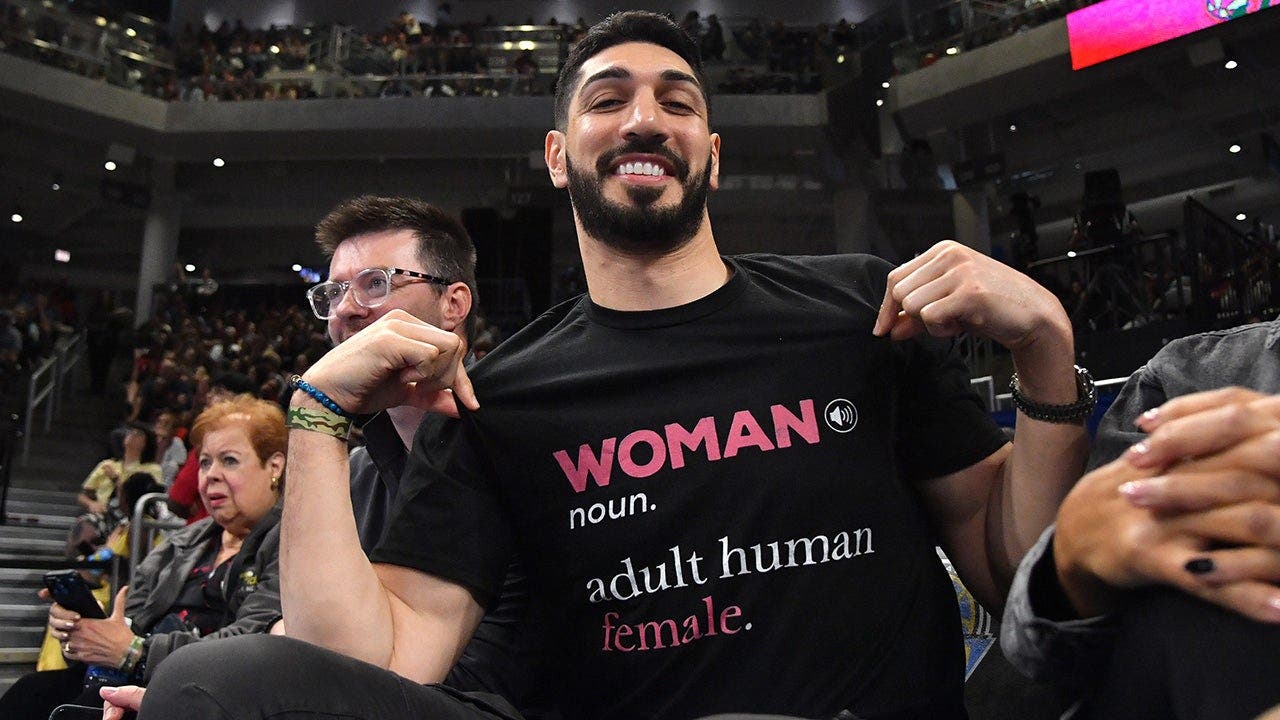
Enes Kanter Freedom attended the game wearing a black T-shirt that defined a woman as an adult human female
. He spent the evening documenting his movements on social media, including posing by the women's restrooms.
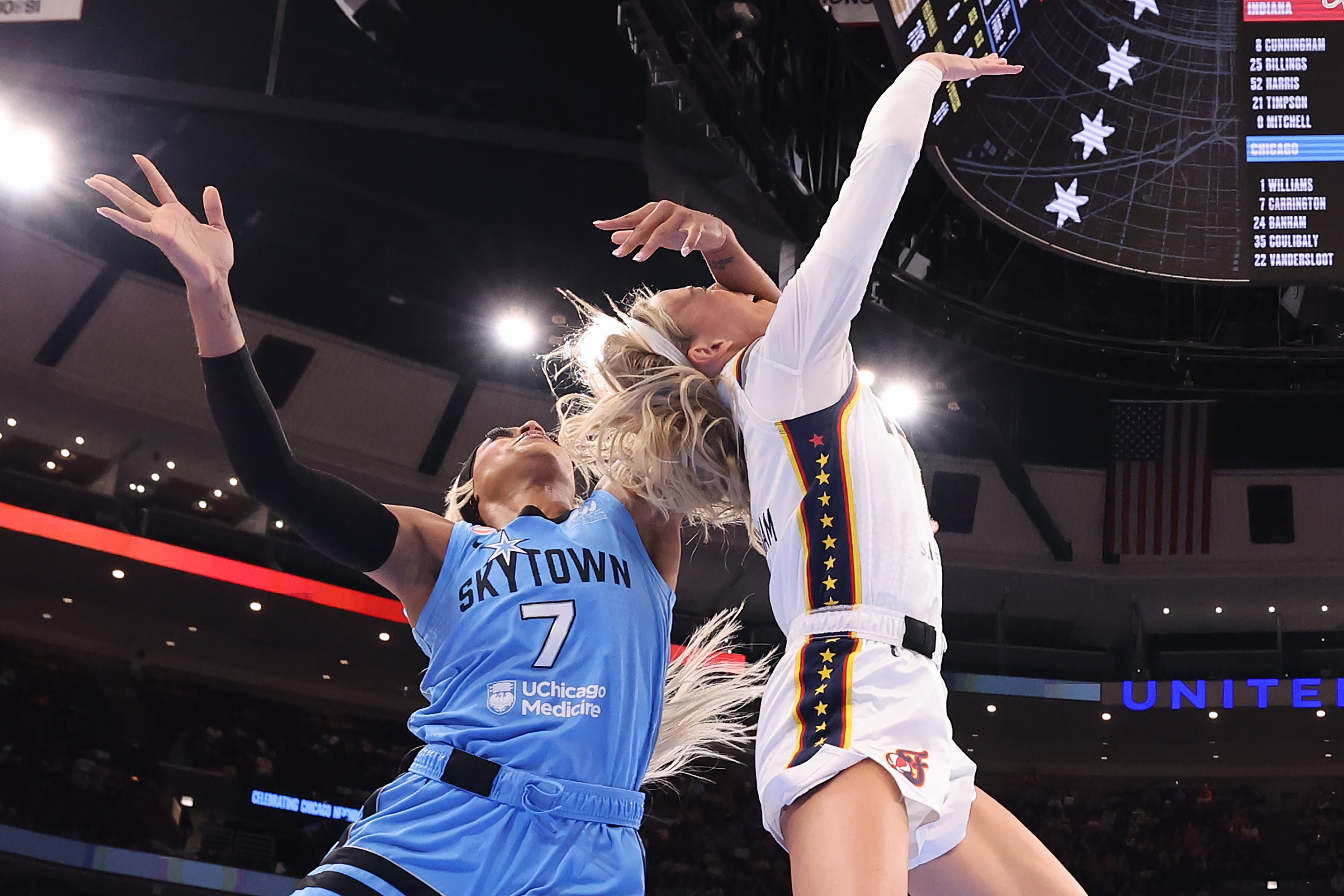
During the third quarter, Freedom was involved in a verbal altercation near the baseline with Chicago Sky guard Natasha Cloud, who has publicly supported transgender athletes in women's Sports. Video footage showed Freedom stepping toward Cloud, prompting Cloud's teammates to hold her back. Freedom was subsequently escorted from the arena by security in the fourth quarter.
Following his ejection, Freedom wrote on X that he was kicked out for supporting WOMEN!
and claimed he attended the game to support Indiana Fever guard Sophie Cunningham. Cunningham has been a focal point of this debate after stating in July that she believes transgender athletes should be barred from women's sports to protect children
, according to The Blast via Yahoo Sports.
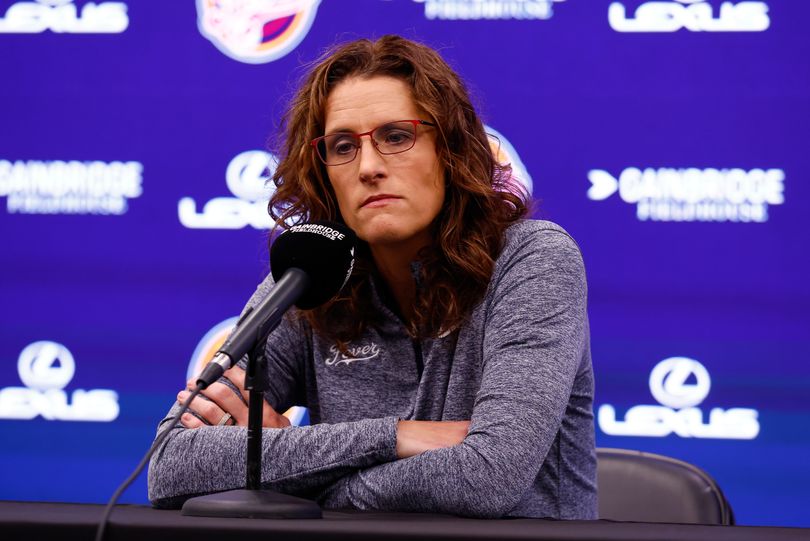
Indiana Fever head coach Stephanie White attempted to minimize the incident during a post-game press conference, urging reporters not to give it any gas
and characterizing the situation as a social media thing
. This response drew criticism from some fans and critics who accused White of ducking a controversy that had already spilled onto the hardwood
, according to Aol.
While Kanter Freedom argued that he meets every requirement if simply declaring who you are
is the only standard, Royce White told The Blast that he identifies as sometimes identifying as a woman for purposes of… professional basketball
, claiming he would be unstoppable
if allowed to play in the league.
The conflict between the league's definitive ruling and its silent CBA has created a divide in how the situation is framed:
- The WNBA position: Sources frame the declarations as efforts to demean the league and insist there are no
legitimate and immediate eligibility matters
requiring action. - The OutKick critique: The outlet argues the lack of a formal definition in Article XIII, Section 1(a) creates a systemic rule-of-law problem, noting that the league has made a determination without explaining the specific criteria used to reach it.
Despite the ruling, Wintrust Arena and the WNBA have not announced a formal ban on Kanter Freedom from attending future games. The Chicago Police Department reported that no official reports were filed regarding the altercation.
The league has previously acknowledged the hate and vitriol directed at players online
regarding transgender athletes. In a statement, the WNBA said it will continue to engage stakeholders in the coming weeks and months to approach these important conversations thoughtfully
.
Eligibility Criteria and CBA Ambiguity
The ruling against Kanter Freedom and White follows their declarations for the 2027 WNBA Draft earlier this month. OutKick reported that the league has failed to define the specific standard used to reach this conclusion.
The conflict centers on the WNBA's new collective bargaining agreement, agreed upon in March. While Article XIII, Section 1(a) limits eligibility to women, the document remains silent on biological sex and gender identity.
Following the ruling, Kanter Freedom continued to use social media to frame the dispute as a matter of accountability, appearing on My View with Lara Trump
to discuss the league's transgender policy. He maintained that he was not attempting to harm any group but was asking for current rules to be applied equally to everyone. The New York Post noted that Sophie Cunningham's July comments regarding the protection of children sparked pro- and anti-trans rallies before games.
The league's internal handling of the matter has also faced scrutiny. OutKick reported that the WNBA has not confirmed whether the reports from Front Office Sports reflect an official position, nor has it published written guidance on eligibility. According to the outlet, the league has made a determination without providing the on-the-record criteria used to disqualify the two former NBA players.
For the WNBA, the next step involves engaging league stakeholders over the coming weeks and months to conduct what it describes as important conversations thoughtfully
regarding these policies.
How significant is this development?
Contribute your assessment to the aggregated reader intelligence ledger.
Archypedia is dedicated to independent, evidence-backed reporting. This briefing was synthesized from primary source reporting, corroborated across independent newsrooms, and verified against our Editorial Standards.
Transparency record
Evidence behind this report
This report synthesizes 4 distinct sources. Open the source ledger below to compare the underlying coverage.
Prepared under the Archypedia Editorial Policy by the Rafael Ortega editorial desk profile. AI-assisted tools may support drafting and verification; public accountability remains with Archypedia. Report an error.