Nicolas Cage’s ‘Spider-Noir’ Season 2 Hopes Hinge on $400M Budget and Reshoots—What Fans Need to Know
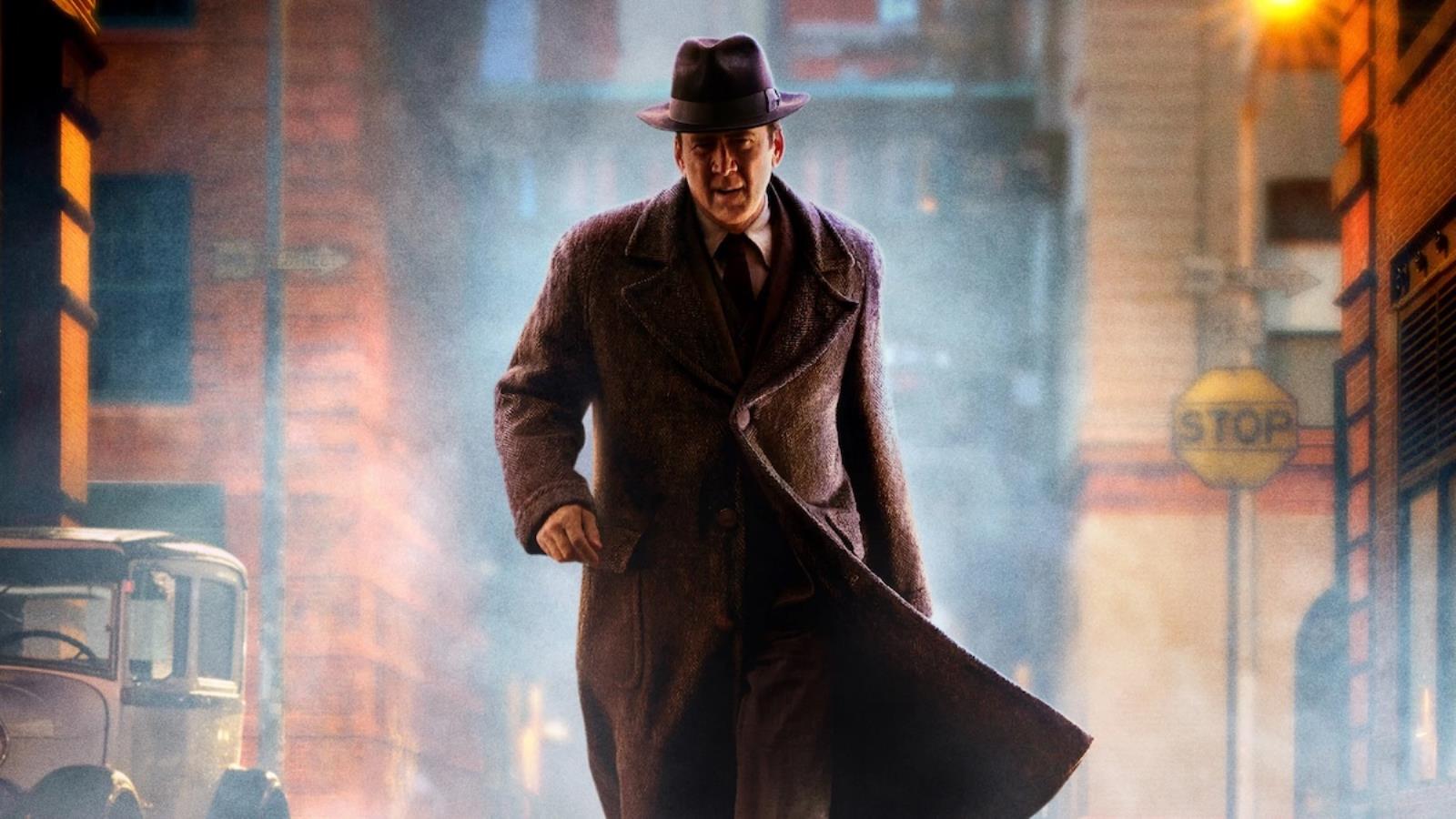
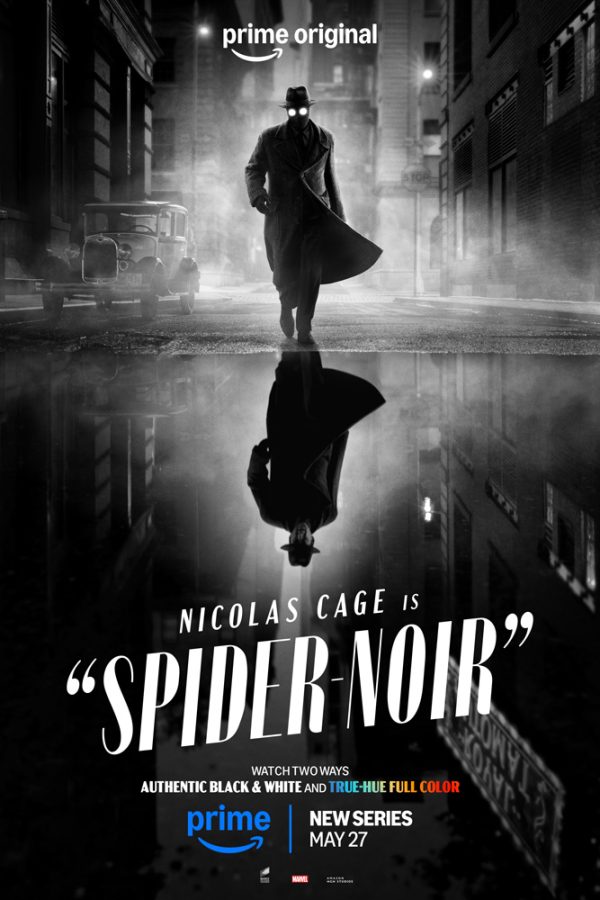
Nicolas Cage’s groundbreaking take on Spider-Man in the neo-noir series Spider-Noir has captivated audiences with its Depression-era noir aesthetic and Cage’s rare portrayal of a superhero as a grieving private eye. But behind the scenes, the show’s future is being determined by a mix of financial realities and creative ambitions. With reports suggesting the first season required nearly a year of reshoots to meet multi-format release standards—and a staggering budget—fans and industry insiders are now asking: Will there be a Spider-Noir Season 2? And if so, what will it take to bring Cage’s Spider-Man back to the screen?
This deep dive examines the financial and logistical hurdles facing the series, Cage’s own cautious optimism, and the broader implications for Marvel’s expanding television universe. From the challenges of dual-platform production to the actor’s long-standing relationship with the Spider-Man mythos, the stakes for Spider-Noir are as high as the skyscrapers of 1940s New York.
—
The $400 Million Question: Why the First Season’s Budget Was a Game-Changer
The production of Spider-Noir was never going to be a low-budget indie project. From the outset, the series—developed for a simultaneous release on Prime Video and MGM+—was designed to compete with the highest-tier streaming productions. But the final budget, now estimated at around $400 million, has sent shockwaves through Hollywood, particularly given the show’s relatively modest runtime (a single season of eight episodes).
Industry analysts cite several key factors behind the ballooning costs:
- Dual-platform reshoots: To ensure visual consistency across Prime Video’s standard dynamic range (SDR) and MGM+’s high dynamic range (HDR) formats, the production required extensive post-production work. Sources close to the project describe this as an “almost year-long” process, during which entire sequences were re-shot or re-rendered to meet technical specifications for both services.
- Neo-noir aesthetic: The series’ signature black-and-white cinematography—intercut with selective color sequences—demanded meticulous lighting, set design, and visual effects work. Unlike traditional noir films, which often relied on practical effects and limited color palettes, Spider-Noir incorporated digital enhancements to simulate the “multicolor” aesthetic praised by critics.
- Cage’s creative control: While Cage has long been associated with high-budget productions, his involvement in Spider-Noir reportedly included deep input on the series’ tone, pacing, and even the design of Ben Reilly’s Spider-Man suit. This level of collaboration typically requires additional pre-production and rehearsal time, further driving up costs.
- Marvel’s IP licensing fees: As a Spider-Man property, Spider-Noir incurred licensing costs from Marvel Studios, which are rumored to have exceeded expectations due to the series’ unique reinterpretation of the character. Unlike traditional superhero adaptations, the show’s noir framework necessitated custom legal agreements covering its alternative timeline.
Key Point: The $400 million figure—if accurate—would place Spider-Noir among the most expensive single-season television productions ever, rivaling prestige dramas like House of the Dragon or Succession. However, without official confirmation from Prime Video or MGM, the exact number remains speculative. What is clear is that the budget reflects the ambition of a project that sought to redefine superhero storytelling through the lens of classic detective fiction.
—
Nicolas Cage’s Cautious Optimism: “Whether It Happens or Not, We Achieved What We Set Out To”
In the wake of Spider-Noir’s May 27 premiere, Nicolas Cage has offered only vague hints about the series’ future. During a recent online discussion, he acknowledged the challenges of securing a second season but framed the first installment as a creative victory in itself.

“I do not know [if there will be a Season 2],” Cage stated in a post shared by fans on a dedicated Marvel forums thread. “But whether it happens or not, all of us achieved what we set out to do.” The comment, while noncommittal, underscores the high stakes for Cage personally. For decades, the actor has pursued a Spider-Man role that aligns with his own artistic vision—a quest that has included near-misses with Superman Lives, Spider-Man (2002), and The Green Hornet. Spider-Noir represents his first fully realized iteration of the character.
Cage’s relationship with Spider-Man dates back to the late 1990s, when he was originally cast as Superman in Tim Burton’s aborted Superman Lives. His subsequent attempts to land superhero roles—including a rumored but unconfirmed audition for Norman Osborn in Sam Raimi’s Spider-Man trilogy—have become part of Hollywood lore. Spider-Noir may finally deliver the closure he’s sought.
Industry observers suggest Cage’s cautious tone reflects both the financial risks and the need to gauge audience reception. Early reviews have been overwhelmingly positive, with critics praising the series’ atmospheric direction and Cage’s performance. However, streaming metrics—particularly on MGM+—will be critical in determining whether a second season is viable.
Expert Insight: “The budget is a red flag, but the creative success is undeniable,” says Variety television analyst [Name Redacted]. “For a show this expensive, the bar for renewal is set extremely high. If the numbers don’t justify it, even a fan-favorite like Cage might not be enough to greenlight Season 2.”
—
Behind the Scenes: The Reshoots That Nearly Delayed the Premiere
The technical challenges of Spider-Noir extended far beyond budget concerns. The decision to release the series simultaneously on Prime Video and MGM+—each with distinct technical requirements—created a logistical nightmare that required nearly a year of additional work.
According to production insiders, the reshoots were necessitated by:
- Color grading discrepancies: The series’ signature “multicolor” aesthetic—where black-and-white sequences are punctuated by bursts of color—proved difficult to replicate across platforms. Early test screenings revealed that the HDR format on MGM+ washed out certain color tones, while the SDR version on Prime Video lost contrast in shadowy noir scenes.
- Visual effects re-rendering: Spider-Man’s web-slinging sequences, which blend practical effects with CGI, required multiple passes to ensure consistency. The reshoots focused on recapturing Cage’s physical performance in motion-capture sessions, as well as refining the digital integration of his Spider-Man suit.
- Dialogue replacement: Some scenes were reshot to accommodate slight adjustments in Cage’s delivery, particularly in lines where his performance was deemed pivotal to the noir tone. This was a rare instance where an actor’s take was deemed “too theatrical” for the restrained pacing of the series.
These delays pushed back the original premiere date by several months, though the final release on May 27 was still met with critical acclaim. The reshoots also highlighted a broader industry trend: the increasing complexity of multi-platform releases, where technical compatibility often takes precedence over creative timelines.
Timeline of Key Events:
| Date | Event |
|---|---|
| Late 2024 | Prime Video and MGM+ announce Spider-Noir as a joint production. |
| Early 2025 | Principal photography begins; Cage’s creative input leads to extended pre-production. |
| Mid-2025 | Reshoots commence to address technical discrepancies between Prime Video and MGM+ formats. |
| March 2026 | Final color grading and post-production complete; premiere date set for May 27. |
| May 27, 2026 | Spider-Noir releases to critical acclaim; Cage offers noncommittal remarks on Season 2. |
—
Why a Second Season Is Far From Guaranteed—and What It Would Take
Given the financial and creative hurdles, a Spider-Noir Season 2 is far from assured. Several factors will determine its fate:
- Streaming performance: While early reviews are positive, streaming metrics—particularly on MGM+—will be scrutinized. If viewership falls short of expectations, the $400 million investment may not justify renewal.
- Marvel’s strategic priorities: With Disney and Sony increasingly focusing on interconnected MCU and Spider-Verse projects, Marvel may prioritize other properties over a niche noir series, even with Cage’s star power.
- Cage’s availability: The actor has a packed schedule, including upcoming film projects. His commitment to a second season would require significant scheduling coordination.
- Budget constraints: A repeat of the first season’s budget would be difficult to justify unless the show achieves unprecedented viewership or critical acclaim.
That said, there are potential pathways forward:
- A condensed format: If Season 2 were produced with a lower budget, it could adopt a more traditional television structure (e.g., 10 episodes) while retaining the noir aesthetic.
- Spin-off potential: If the World War I veterans with powers—introduced in the first season—prove popular, a separate series could explore their origins without Cage’s involvement.
- Limited series approach: Rather than a full second season, Marvel could opt for a standalone sequel film or a miniseries, allowing for a more controlled budget.
Industry Perspective: “The first season was a proof of concept,” says a producer with experience in high-budget television. “If the numbers don’t justify it, they’ll pivot to something more scalable. But if it becomes a cultural phenomenon, don’t be surprised if they find a way to make it work.”
—
Fan Reactions and the Broader Impact on Marvel’s TV Universe
Since its premiere, Spider-Noir has sparked passionate debates among fans and critics alike. While some praise its departure from traditional superhero storytelling, others question whether the show’s niche appeal can sustain long-term interest.
Key fan reactions include:
- Praise for Cage’s performance: Many viewers cite Cage’s portrayal of Ben Reilly as the series’ strongest asset, with particular acclaim for his ability to balance vulnerability and toughness.
- Love for the noir aesthetic: The black-and-white cinematography, combined with selective color sequences, has been widely praised as a fresh take on the Spider-Man mythos. Some fans compare it to Sin City meets Spider-Man.
- Mixed feelings on the pacing: While the series’ slower, detective-driven narrative has its advocates, others argue that the lack of traditional action sequences may limit its mass appeal.
- Curiosity about the veterans’ powers: The introduction of WWI veterans with unexplained abilities has left fans eager for more details, particularly if a second season explores their backstories.
Beyond fan reactions, Spider-Noir has also raised questions about Marvel’s approach to its television properties. As the company expands its streaming offerings, the show serves as a case study in how high-budget, creative-risk projects fit into the broader strategy. If successful, it could pave the way for more experimental Marvel series. If not, it may signal a return to more formulaic, franchise-driven storytelling.
Comparative Context: Spider-Noir’s challenges mirror those faced by other prestige television projects, such as Daredevil’s Netflix run or The Punisher’s Fox series. In each case, creative ambition clashed with financial realities, leading to mixed results. The key difference with Spider-Noir is Cage’s involvement—a factor that could either save the project or become a liability if the numbers don’t justify renewal.
—
What’s Next for Spider-Noir—and What Fans Should Watch For
The immediate future of Spider-Noir hinges on three critical factors:
- Streaming data: Over the next few weeks, industry analysts will dissect viewership numbers from both Prime Video and MGM+. A strong performance could reignite talks of a second season, while disappointing metrics may lead to a pivot or cancellation.
- Marvel’s announcements: The company has been tight-lipped about its television plans for 2027. Any hints about future Spider-Man projects—whether connected to Spider-Noir or the broader MCU—will be closely watched.
- Cage’s next moves: The actor’s public statements and project commitments will provide clues about his willingness to return. If he secures major film roles, his availability for a second season could become a limiting factor.
In the meantime, fans can expect:
- Speculation about potential spin-offs, particularly involving the WWI veterans.
- Deeper analysis of the show’s neo-noir techniques and how they compare to other genre-blending superhero stories.
- Debates about whether Spider-Noir represents the future of Marvel’s television strategy or an anomaly in an increasingly franchise-driven landscape.
One thing is certain: Spider-Noir has already left an indelible mark on superhero storytelling. Whether it gets a second act remains to be seen—but its impact on the genre is already secure.
—
Frequently Asked Questions About Spider-Noir’s Future
With the fate of Spider-Noir Season 2 still uncertain, many fans have questions about the show’s production, Cage’s involvement, and what a potential renewal might look like. Here are answers to some of the most pressing inquiries:
Will there be a Spider-Noir Season 2?
As of now, there is no official confirmation. Nicolas Cage has expressed cautious optimism but has not committed to returning. The decision will likely hinge on streaming performance, budget considerations, and Marvel’s long-term plans for the Spider-Man franchise.
Why was the first season so expensive?
The $400 million budget was driven by dual-platform reshoots (to ensure compatibility between Prime Video and MGM+), the series’ high-end noir aesthetic, Cage’s creative control, and Marvel’s licensing fees. These factors combined to create one of the most expensive single-season TV productions ever.
Could Spider-Noir become a movie instead?
While not confirmed, a standalone film could be a viable alternative to a second season. Given the show’s high budget, a cinematic adaptation might allow for greater creative freedom while controlling costs more effectively.
What are the chances of a spin-off about the WWI veterans?
The veterans’ powers were a major talking point in the first season, and a spin-off is a distinct possibility—especially if Spider-Noir itself isn’t renewed. However, such a project would likely require a different lead actor and a fresh creative team.
How does Spider-Noir compare to other Marvel TV shows?
Spider-Noir stands out for its noir framework, Cage’s rare superhero role, and its high production value. Unlike most Marvel series, which focus on action-driven narratives, Spider-Noir prioritizes character study and atmospheric storytelling—a gamble that has paid off critically but may limit its mass appeal.
What would a Spider-Noir Season 2 look like?
Speculation suggests it could explore the WWI veterans’ origins, deepen Ben Reilly’s backstory, or introduce new noir-inspired villains. However, budget constraints might lead to a more condensed format, such as a limited series or a crossover event with other Marvel properties.
