Spain’s Quest for Dominance: Can ‘Tiki-Taka 2.0’ Repeat Euro Success?
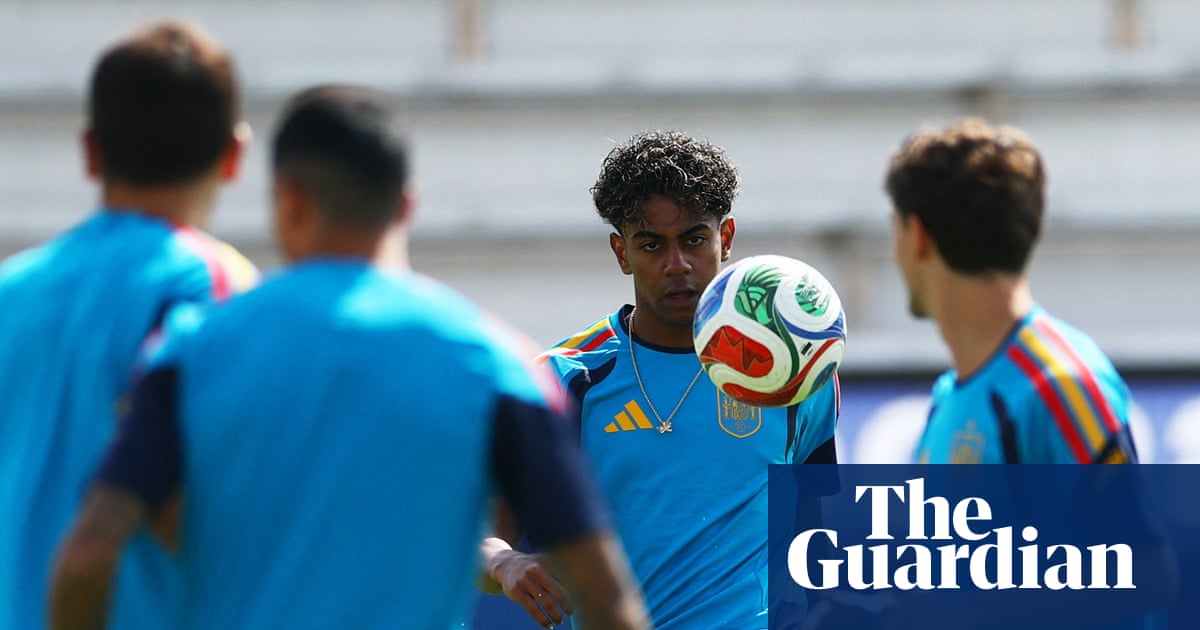
Spain’s national football team is positioning itself to replicate its previous European Championship triumphs by blending historical possession-based philosophies with a modernized, aggressive tactical approach. According to reports from The Guardian, the squad maintains a high level of confidence, suggesting that the current team’s mentality and technical capability are “the same as we were then” during their most dominant eras. This confidence is paired with a strategic evolution known as “tiki-taka 2.0,” which The Independent identifies as the primary vehicle for Spain’s pursuit of the 2026 World Cup trophy.
Why Spain Believes It Can Repeat Past European Success
The current confidence within the Spanish camp is not based on nostalgia but on a perceived return to the technical superiority that defined their golden generation. As highlighted in the discussion surrounding the theme “‘We’re the same as we were then’: Spain confident of repeating Euros success – The Guardian,” the team believes they have recaptured the psychological edge required to dominate international tournaments.
This mindset focuses on three core pillars of confidence:
- Technical Continuity: The belief that the current generation possesses the same innate ability to control games through ball retention as the 2008-2012 squads.
- Mental Resilience: A reported shift in the squad’s internal culture to embrace the pressure of being tournament favorites.
- Tactical Adaptability: The ability to maintain a distinct national identity while integrating modern athletic requirements.
According to The Guardian, the sentiment that the team is “the same” refers to the collective belief in their system and the unwavering trust in their ability to outplay opponents through superior positioning and passing. This psychological alignment is viewed as a prerequisite for repeating their previous European success.
The Evolution of ‘Tiki-Taka 2.0’ and the Path to World Cup Glory
While the confidence remains rooted in the past, the method of execution has changed. The Independent reports that Spain has developed “tiki-taka 2.0,” a tactical evolution designed to solve the vulnerabilities that plagued the original possession-heavy style. The original tiki-taka was often criticized for “sterile possession”—passing for the sake of passing without creating concrete scoring opportunities.
Tiki-taka 2.0 differs by introducing more directness and verticality. According to The Independent, the goal is no longer just to keep the ball, but to use possession as a tool to manipulate the opponent’s defensive structure before launching rapid, decisive attacks. This version of the game incorporates:
- Increased Verticality: A greater willingness to play forward passes and take risks in the final third.
- Dynamic Wing Play: Utilizing wide players who can both provide width and cut inside to create numerical advantages in the center.
- High-Intensity Pressing: A more aggressive approach to winning the ball back immediately after loss, reducing the time the opponent has to transition.
This tactical shift is viewed as essential for the 2026 World Cup. The modern game has seen a rise in “low-block” defenses that are comfortable defending deep for 90 minutes. The Independent suggests that by evolving their style, Spain is attempting to avoid the stagnation that led to previous tournament exits.
Football as a Tool for National Unity in a Complex Spain
Beyond the pitch, the national team serves a significant socio-political function. The Athletic and The New York Times describe Spain as a complex country facing numerous internal challenges, ranging from regional tensions to political polarization. In this environment, the national football team is framed as one of the few institutions capable of fostering a sense of shared identity.
According to The Athletic, the team provides a “unity that makes us stronger,” acting as a bridge across regional divides. When the team succeeds, the shared victory transcends local politics, creating a temporary but powerful national cohesion. This unity is not merely a byproduct of winning; it is viewed by some as a strategic asset. A unified locker room reflecting a unified nation is seen as a catalyst for on-field performance.
“The national team offers a ‘unity that makes us stronger’” — The Athletic
This perspective suggests that the success of the “tiki-taka 2.0” era is inextricably linked to the team’s ability to represent a diverse and sometimes fractured population. The players are seen not just as athletes, but as symbols of a collective Spanish ambition.
Spain 2026: A Return to Empire or a Tactical Dead End?
Despite the optimism, there is a divide among analysts regarding the long-term viability of Spain’s current trajectory. FlashScore UK describes the current era as a return of “Spain’s empire,” suggesting that the country has reclaimed its status as a global football superpower. This narrative emphasizes the return of dominance and the fear that other nations now feel when facing the Spanish side.
However, ProPakistani offers a more cautious analysis, questioning whether the reliance on a specific philosophy like tiki-taka is a “dead end.” The concern is that the football world has had over a decade to study and counter Spanish possession. If the “2.0” version does not provide enough of a departure from the original, Spain risks becoming predictable.
The tension between these two views can be summarized as follows:
| Perspective | Core Argument | Primary Source |
|---|---|---|
| The “Empire” View | Spain has reclaimed its dominance through a refined version of its historic identity. | FlashScore UK |
| The “Dead End” View | Over-reliance on a possession-based philosophy may lead to predictability and failure. | ProPakistani |
| The “Evolution” View | Tiki-taka 2.0 is a necessary and successful adaptation to the modern game. | The Independent |
To avoid a tactical dead end, Spain must balance its identity with pragmatism. The 2026 World Cup will serve as the ultimate litmus test for whether the “empire” has truly returned or if the philosophy has reached its limit.
The Role of Individual Talent in the System
A recurring theme across the reports is the transition from a system-dependent team to one that integrates high-level individual brilliance. While the original tiki-taka era relied on a cohesive unit of midfielders, the current approach allows for more individual expression. This shift is part of what makes the team feel “the same” in terms of confidence, but different in terms of execution.
The integration of young, explosive talents allows Spain to break the rhythm of a game. Where the previous generation sought to lull the opponent into a trance of passing, the current squad is more likely to use a sudden burst of pace or a daring dribble to break a deadlock. This hybrid approach—systematic control mixed with individual flair—is a cornerstone of the 2026 strategy.
Comparing the Original Tiki-Taka and Tiki-Taka 2.0
To understand why Spain is confident in repeating its success, it is necessary to contrast the two eras of their philosophy.
- Original Tiki-Taka (2008-2012):
- Primary Goal: Total control of the ball to neutralize the opponent.
- Pace: Slow, methodical build-up.
- Risk Profile: Low; prioritized keeping the ball over aggressive penetration.
- Vulnerability: Susceptibility to fast counter-attacks and “parking the bus.”
- Tiki-Taka 2.0 (Current):
- Primary Goal: Use possession to create high-value scoring opportunities.
- Pace: Variable; combines slow build-up with sudden explosions of speed.
- Risk Profile: Medium-High; more vertical passes and aggressive wing play.
- Strength: Better equipped to break down deep-lying defenses.
By evolving the style, Spain is not abandoning its roots but is instead upgrading them to survive in a more athletic and tactically aware international landscape. This evolution is what allows the players to claim they are “the same” in spirit while being fundamentally different in application.
Implications for the 2026 World Cup
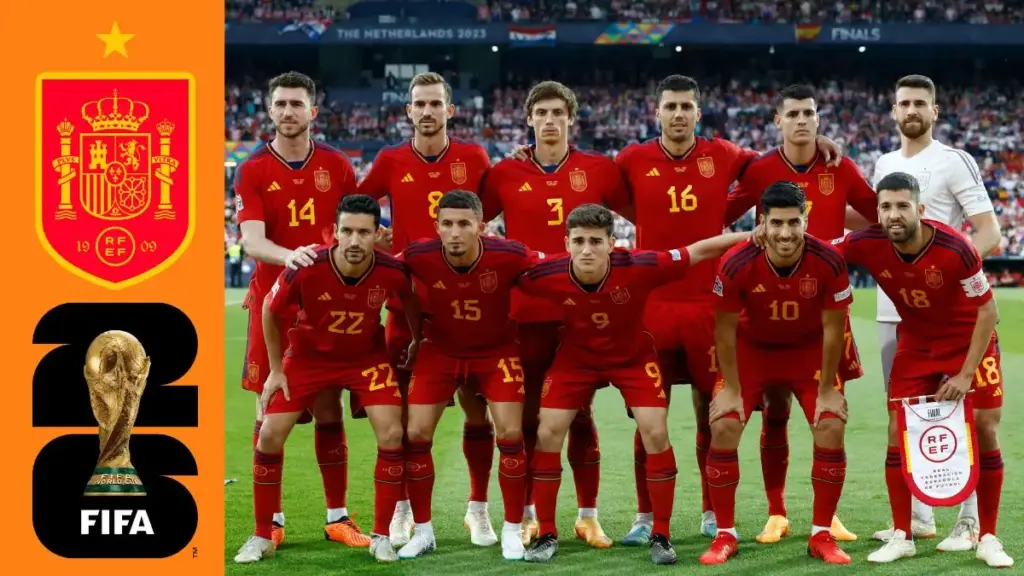
The road to 2026 is fraught with challenges, but Spain’s current trajectory suggests a team that is no longer searching for an identity. According to The Independent and FlashScore UK, the focus has shifted from “how should we play?” to “how do we optimize our play?”
The implications for the tournament are significant:
- Psychological Dominance: If Spain enters the tournament believing they are already the dominant force, they can exert mental pressure on opponents before the whistle blows.
- Tactical Flexibility: The “2.0” approach allows them to switch between control and chaos, making them harder to scout.
- National Momentum: The unity described by The Athletic provides a social backbone that can sustain the team through the emotional highs and lows of a World Cup.
However, the warning from ProPakistani remains relevant. The success of this model depends on the team’s ability to avoid complacency. The confidence that they are “the same as we were then” must be balanced with the realization that their opponents are also “the same” as they were during their own peaks, but with better data and more sophisticated coaching.
Frequently Asked Questions
What is “Tiki-Taka 2.0”?
According to The Independent, Tiki-Taka 2.0 is an evolved version of Spain’s traditional possession-based game. It maintains the focus on ball control but adds more verticality, directness, and high-intensity pressing to avoid the “sterile possession” that hindered the team in the past.
Why is Spain confident about repeating its European success?
As reported by The Guardian, the team believes their current technical ability and mentality mirror the dominant squads of their previous championship-winning eras, leading to the sentiment that they are “the same as we were then.”
How does the national team impact Spanish society?
Reports from The Athletic and The New York Times indicate that the national team provides a sense of unity and shared identity in a country that is often divided by complex political and regional challenges.
Is the current Spanish style sustainable for the 2026 World Cup?
Opinions are divided. FlashScore UK sees it as a return to an “empire” of dominance, while ProPakistani warns that it could be a “dead end” if the team becomes too predictable and fails to evolve further.
What are the main differences between the 2010 and 2026 versions of Spain’s tactics?
The 2010 era focused on absolute control and low-risk passing. The current approach, described as Tiki-Taka 2.0, integrates more risk, faster transitions, and a greater emphasis on individual brilliance to break down modern defensive structures.
The trajectory of the Spanish national team suggests a calculated attempt to merge a legendary heritage with modern requirements. Whether this synthesis results in another trophy depends on their ability to maintain the unity reported by The Athletic while successfully implementing the tactical shifts detailed by The Independent. As they move toward 2026, the tension between their historic identity and the need for evolution will define their success.
