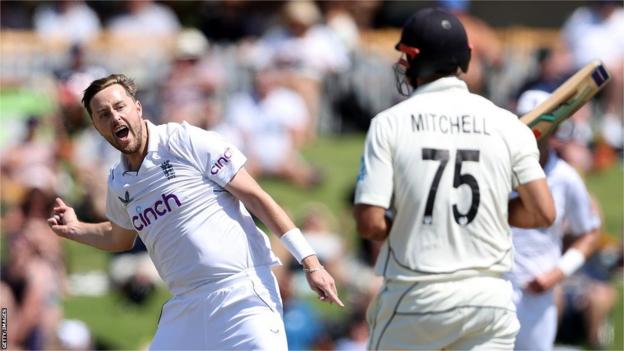
Ollie Robinson Out of Second Test With Knee Injury: Henry Crocombe Called Up
England bowler Ollie Robinson will miss the second Test against New Zealand due to knee soreness, according to reports from Sky Sports and the BBC. The England and Wales Cricket Board (ECB) has responded to the vacancy by calling up Henry Crocombe to join the Men’s Test squad. While Robinson is sidelined, captain Ben Stokes has resumed training in the nets at Durham, according to The Times.
Why is Ollie Robinson out of the second Test?
Ollie Robinson has been ruled out of the upcoming match because of “knee soreness,” a detail confirmed by Sky Sports. The injury prevents the fast bowler from participating in the second Test of the series against New Zealand. While initial reports from The Times characterized Robinson’s availability as a “doubt,” subsequent updates from the BBC and Sky Sports confirmed his total absence from the fixture.
Knee issues for fast bowlers often stem from the immense pressure placed on the front leg during the delivery stride. In Robinson’s case, the ECB’s decision to withdraw him suggests a need for caution to prevent a short-term soreness from becoming a long-term structural injury. The timing is critical as England seeks to maintain momentum in their series against the New Zealand side.
Key details regarding Robinson’s status:
- Injury Type: Knee soreness.
- Status: Ruled out of the second Test.
- Primary Sources: Sky Sports, BBC.
Who is Henry Crocombe and why was he called up?
The England and Wales Cricket Board (ECB) officially announced the call-up of Henry Crocombe to the Men’s Test squad. Crocombe enters the setup as a direct replacement for Robinson, providing the team with additional pace options for the second Test against New Zealand.
The inclusion of Crocombe signals the ECB’s intent to keep a fresh rotation of bowlers available to avoid overloading the existing attack. By bringing in a new face, the management ensures they have a viable alternative who can step in if the workload on the primary seamers becomes unsustainable during the match.
| Player Out | Player In | Reason for Change | Governing Body |
|---|---|---|---|
| Ollie Robinson | Henry Crocombe | Knee Soreness | ECB |
How does Ben Stokes’ return to the nets affect the team?
While the loss of Robinson is a setback, the team receives a boost from the fitness of their captain. According to The Times, Ben Stokes has returned to the nets at Durham. Stokes’ ability to bowl and field at a high intensity is central to England’s aggressive “Bazball” approach to Test cricket.
The contrast in the squad’s health is stark: one key bowler is sidelined, while the all-rounder captain is regaining match fitness. Stokes’ return reduces the pressure on the bowling attack, as he can provide crucial breakthroughs and hold an end, potentially mitigating the void left by Robinson’s absence.
For more on the team’s tactical shifts, see our related explainer on England’s current Test strategy.
What does this injury mean for England’s bowling strategy?
The absence of Ollie Robinson forces a recalibration of England’s seam attack. Robinson is known for his ability to extract bounce and maintain a disciplined line, which often creates pressure that allows other bowlers to take wickets. Without him, England must rely on their remaining pace battery to maintain the same level of aggression against New Zealand.
The reporting on this situation shows a progression of certainty. The Times first reported Robinson as a “doubt,” suggesting a window of hope for his recovery. However, the definitive “ruled out” status reported by the BBC and Sky Sports indicates that the medical staff determined the risk of playing him was too high. This shift in reporting highlights the volatile nature of athlete fitness during a series.
England’s strategy will now likely pivot in one of three directions:
- Direct Replacement: Integrating Henry Crocombe into the starting XI to mimic the traditional four-man seam attack.
- Increased Workload: Asking the remaining senior bowlers to bowl longer spells, supported by Ben Stokes’ return to fitness.
- Tactical Shift: Altering the balance of the side to favor a different bowling combination based on the pitch conditions of the second Test.
Comparing the reporting on Robinson’s injury
Different media outlets framed the development of Robinson’s injury with varying degrees of certainty. A comparison of the reports reveals how the news broke across major platforms:
- The Times: Focused on the nuance of the situation, noting that while Ben Stokes was returning to training, Robinson remained a “doubt.” This framed the story as a balance of gains and losses.
- Sky Sports & BBC: Provided the definitive update that Robinson was “ruled out.” Their reporting was more direct, focusing on the finality of the medical decision.
- ECB: Handled the administrative side of the news, focusing on the solution (the call-up of Henry Crocombe) rather than the medical specifics of the injury.
This discrepancy is common in sports journalism, where early reports often reflect “doubt” or “assessment” before an official governing body confirms a player’s unavailability.
The broader impact of knee injuries in fast bowling
Knee soreness is a recurring issue in professional cricket, particularly for bowlers of Robinson’s height and action. The physical toll of the “landing” phase—where the front leg absorbs several times the bowler’s body weight—can lead to inflammation and soreness.
When the ECB rules a player out for “soreness,” it is often a preventative measure. In the modern era of high-frequency Test matches, teams prefer to lose a player for one match rather than risk a ligament tear or chronic joint issue that could sideline a bowler for an entire year. This cautious approach is a hallmark of contemporary sports science in the England camp.
The impact on the series against New Zealand is significant because New Zealand’s batting lineup often thrives against inconsistent bowling. Robinson’s precision was a primary weapon for England; his absence means the attack must find a new way to stifle the New Zealand top order.
Squad dynamics and the role of the replacement
Calling up Henry Crocombe is not merely a logistical necessity; it is a strategic move. A replacement player enters the squad with no pressure of previous failure in the series, often bringing a “wildcard” element that can unsettle the opposition. The New Zealand analysts will now have to quickly assess Crocombe’s tendencies, as he was not part of the original squad calculations.
The dynamic of the dressing room also shifts. The return of Ben Stokes to the nets provides a psychological lift, offsetting the disappointment of Robinson’s injury. The leadership group will focus on integrating Crocombe quickly to ensure the bowling rotations remain seamless during the second Test.
For further analysis on squad rotations, check our guide to ECB selection policies.
Frequently Asked Questions
Is Ollie Robinson completely out of the second Test?
Yes. According to reports from the BBC and Sky Sports, Ollie Robinson has been ruled out of the second Test against New Zealand due to knee soreness.
Who is replacing Ollie Robinson in the England squad?
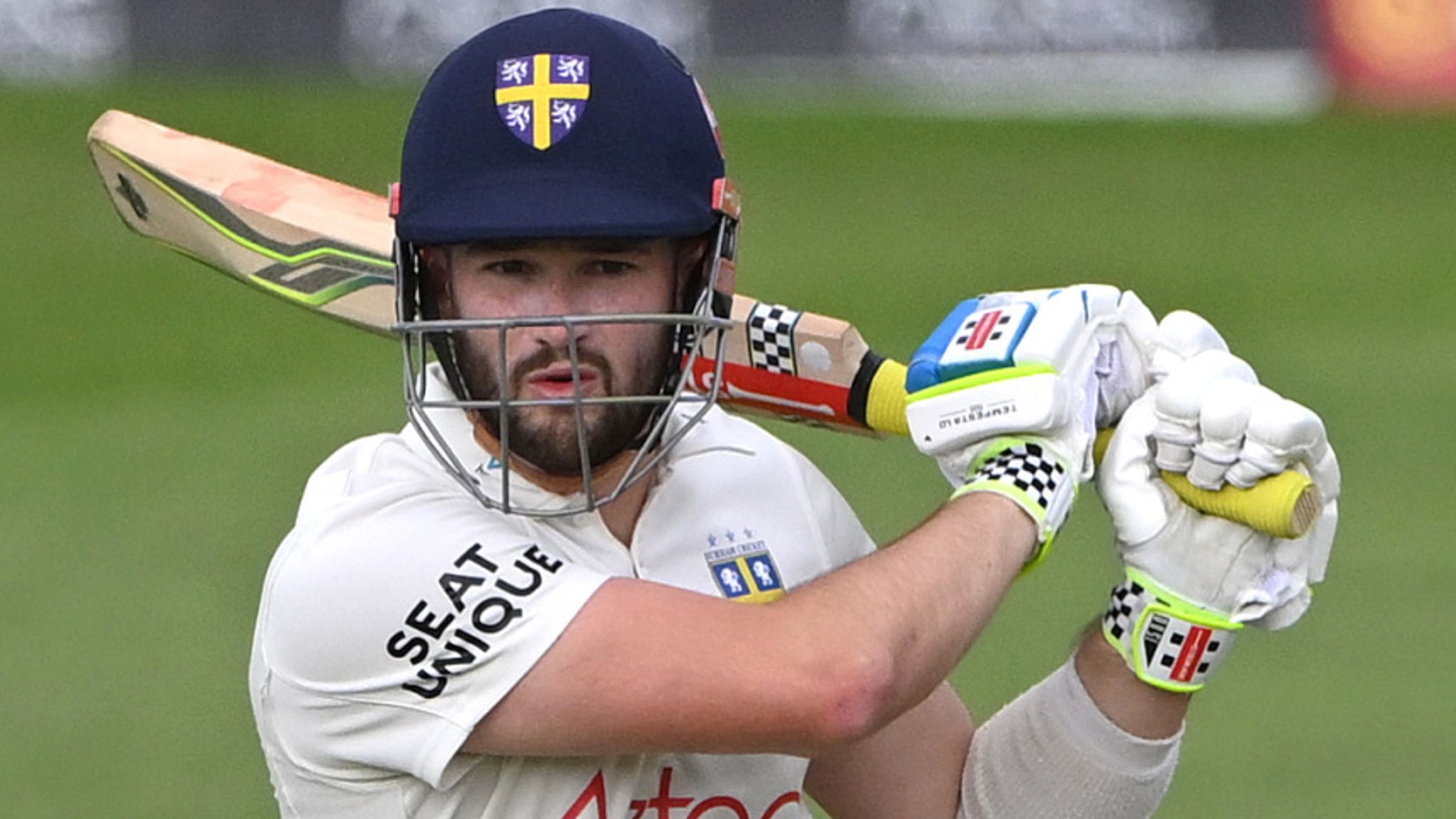
The England and Wales Cricket Board (ECB) has called up Henry Crocombe to replace Robinson in the Men’s Test squad.
What is the nature of Ollie Robinson’s injury?
Sky Sports has described the injury as “knee soreness.” No further specific medical details have been released by the ECB.
Is Ben Stokes available for the second Test?
While not explicitly confirmed as a starter, The Times reports that Ben Stokes has returned to the nets at Durham, indicating a positive trend in his fitness.
How does the ECB handle injury replacements in Test series?
The ECB identifies a suitable replacement from a pool of contracted players or high-performing county cricketers to ensure the squad maintains its required balance of specialists, as seen with the call-up of Henry Crocombe.
