
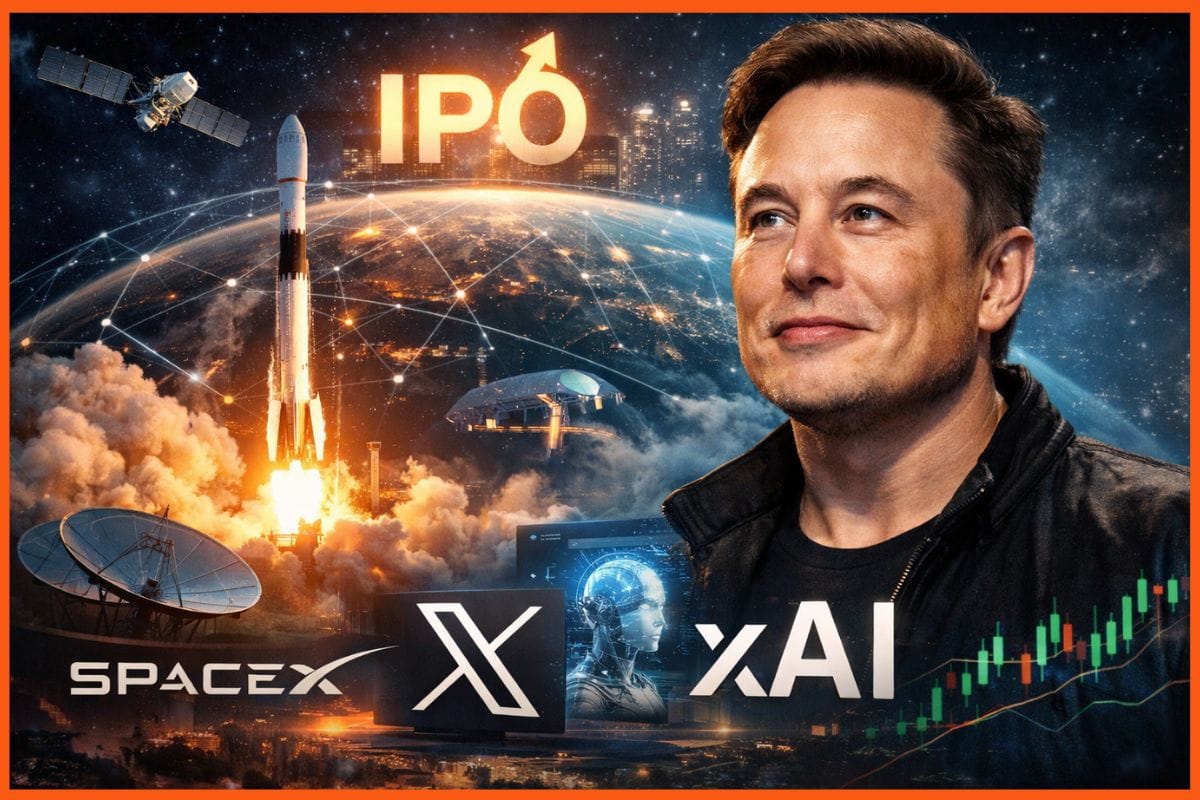
SpaceX’s stock price surged following its initial public offering (IPO), with the company surpassing Amazon in market value, according to multiple reports. The aerospace and technology firm, led by Elon Musk, saw its shares climb amid mixed reactions from analysts, who highlighted both the potential and risks of its valuation. The move has sparked discussions about the broader implications for the space industry and investor confidence in tech-driven ventures.
What Drives the Stock Surge?
SpaceX’s stock rose sharply in the days after its IPO, with the company’s market capitalization exceeding $140 billion, according to financial analysts. This milestone marked a significant shift in the valuation of private tech firms, as SpaceX became one of the most valuable companies globally. The surge followed a valuation of $3 billion in its recent funding round, which was confirmed by regulatory filings. Investors cited the company’s dominance in satellite internet and reusable rocket technology as key factors in the stock’s performance.

Market Reactions and Analyst Perspectives
Financial experts expressed conflicting views on the rapid rise in SpaceX’s stock. Some analysts warned of a potential correction, comparing the valuation to Tesla’s early market volatility. “The current momentum reflects investor optimism, but it also carries risks similar to what Tesla faced in its growth phase,” said a report from a European financial institution. Others argued that SpaceX’s technological edge and expanding services justify the high valuation. “The company is not just a space explorer but a critical infrastructure provider,” noted an industry observer.
Implications for the Space Industry and Investors
The IPO has redefined the financial landscape for space exploration, with SpaceX setting a new benchmark for private-sector space companies. Its Starlink satellite network, which provides global broadband services, has been a major revenue driver. The company’s ability to launch and reuse rockets has also reduced costs, making space access more economical. However, regulatory challenges and competition from emerging players like Blue Origin and Rocket Lab remain key uncertainties.
Regulatory bodies have begun scrutinizing the rapid valuation of private tech firms, with some calling for clearer guidelines on IPO processes for companies with non-traditional revenue models. Meanwhile, SpaceX’s success has prompted other startups to accelerate their own public offerings, hoping to replicate the aerospace giant’s financial trajectory.
What’s Next for SpaceX?
SpaceX has outlined plans to expand its Starlink services and advance its Mars exploration initiatives, according to its latest public statements. The company also announced a roadmap for developing crewed missions to the Moon and beyond, which could attract further investment. However, the long-term sustainability of its valuation will depend on continued innovation and regulatory stability. Analysts suggest that the next few quarters will be critical in determining whether the current market enthusiasm translates into sustained growth.
