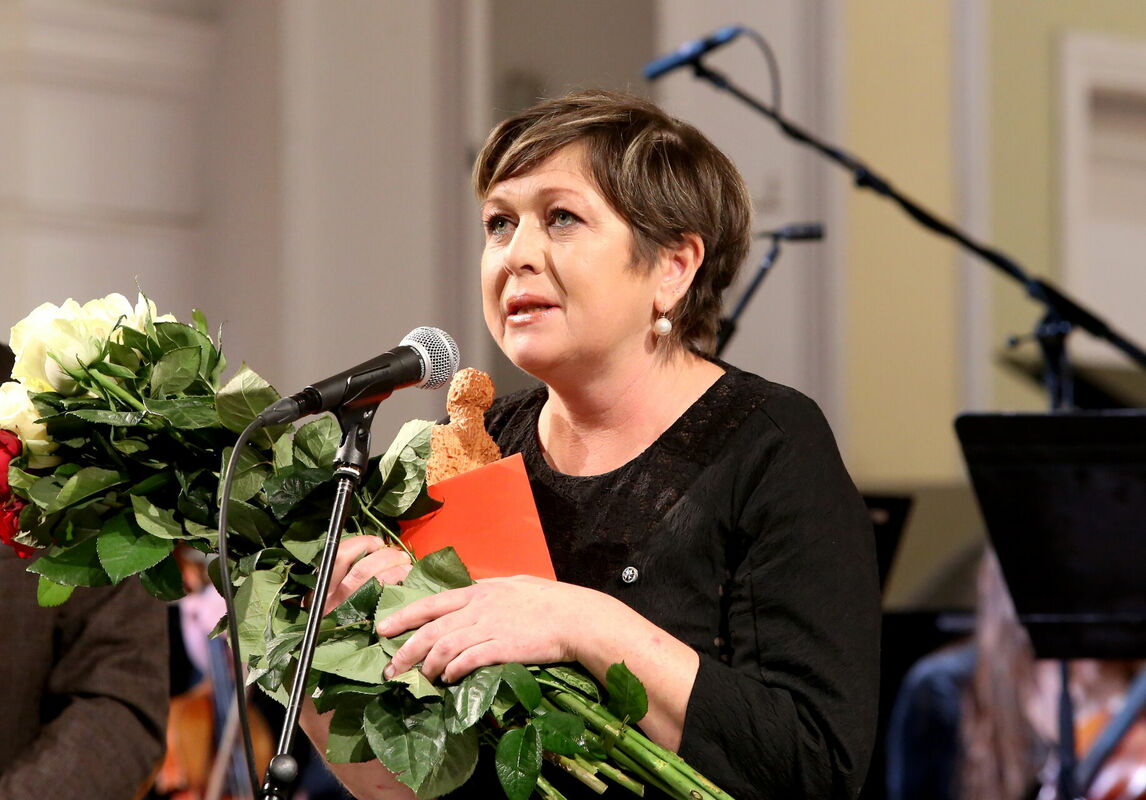
Six months after the death of Latvian writer Nora Ikstena, her closest associates fulfilled her final wish with a unique farewell ceremony, according to local media reports. The event, described as a symbolic ritual honoring her literary legacy, took place in a location unspecified by sources but tied to her personal history.
A Unique Farewell Ceremony
The ceremony, referred to in Latvian media as “Aizpeldēja ziedu laiviņā” (translated as “Sailed Away on a Flower Boat”), involved members of Ikstena’s family and professional circle. Details about the event’s execution remain limited, but reports emphasize its emotional significance as a tribute to the author’s final request. No official statements from her estate have been publicly released, though multiple sources confirm the gathering occurred.
Ikstena, known for her poetic prose and contributions to Latvian literature, passed away in early 2023. Her work often explored themes of memory and identity, which critics note may have influenced the nature of her farewell. The ceremony’s focus on symbolic gestures aligns with her public persona as an artist who valued metaphorical expression.
Legacy and Cultural Impact
Local media outlets describe the event as a private yet culturally resonant moment, highlighting the intersection of personal tributes and national literary heritage. Ikstena’s death sparked widespread mourning in Latvia, with cultural institutions and readers acknowledging her influence on contemporary literature. The fulfillment of her final wish underscores the enduring interest in her life and work, even after her passing.
While no further details about the ceremony’s proceedings have been disclosed, its occurrence reflects the deep respect Ikstena commanded within her community. The event’s secrecy, however, has left some questions unanswered about its exact nature and the role of specific individuals involved.
The timing of the ceremony—six months after her death—aligns with traditional mourning practices in some Baltic cultures, though sources do not explicitly cite such connections. The emphasis on her “final wish” suggests a deliberate effort to honor her autonomy, a theme that resonates with her literary themes of personal agency and introspection.
