While the broader U.S. Equity market has begun to retreat from its recent peaks, specific sectors within the technology hardware space are demonstrating unexpected resilience. Despite a general dampening of the S&P 500’s winning streak, semiconductor and storage components are bucking the trend, highlighting a divergence between macroeconomic sentiment and specific tech demand.
- The S&P 500 and other major indices have pulled back from record highs amid cooling global growth signals.
- SanDisk reached a new record high, and CPU-related stocks continue to trend upward despite the wider market decline.
- Analysts warn of a significant “concentration risk,” with just 10 companies accounting for 40% of the S&P 500.
Hardware Resilience Amid Market Cooling
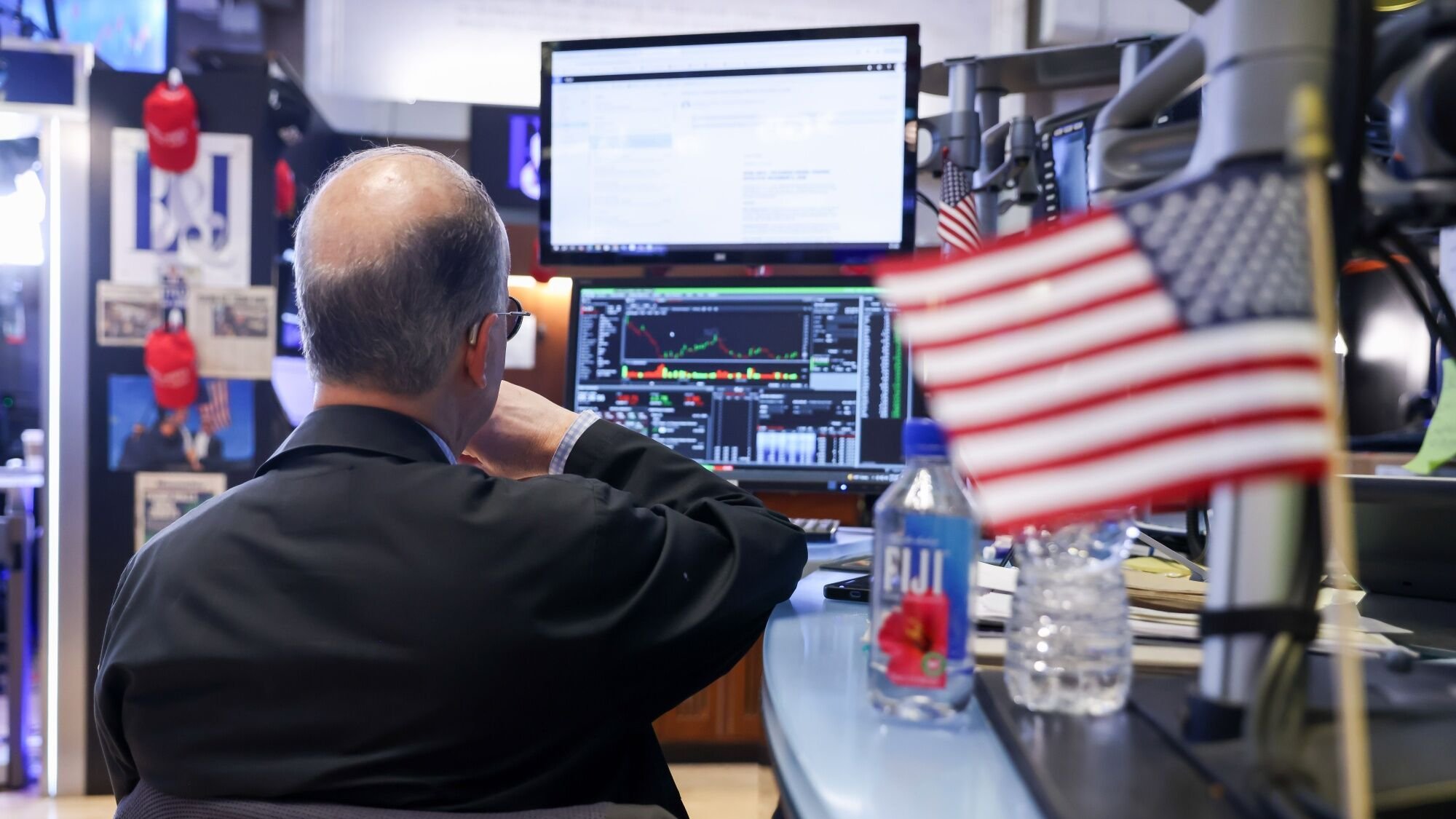
Recent trading sessions have seen the three primary U.S. Indices slide back from their all-time highs. According to market reports, S&P 500 futures have faced downward pressure, driven largely by signals that global economic growth is cooling. This shift has interrupted a prolonged period of gains for the index, leading to weaker midday trading patterns.
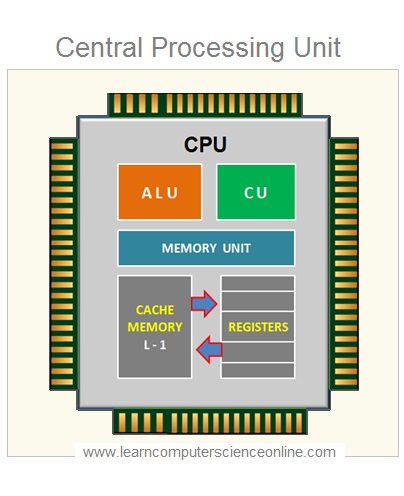
However, the downturn has not been uniform across the technology sector. In a notable counter-trend, stocks tied to Central Processing Units (CPUs) have maintained upward momentum. This resilience is further exemplified by SanDisk, which achieved a new record high even as the broader market indices retreated.
The Systemic Risk of Index Concentration
The current market dynamics have brought the structural composition of the S&P 500 into sharper focus. Experts are raising concerns regarding “cluster risk”—a scenario where a small handful of mega-cap companies exert a disproportionate influence on the index’s overall performance.
Jessica Schwarzer highlighted the severity of this imbalance, noting the extreme concentration of value within the top tier of the market:
“Cluster risk: 10 companies make up 40 percent of the S&P 500.” Jessica Schwarzer
This level of concentration means that the index’s health is heavily dependent on the performance of a few dominant players, making the broader market more vulnerable to volatility if any of these top 10 firms face a significant correction.
