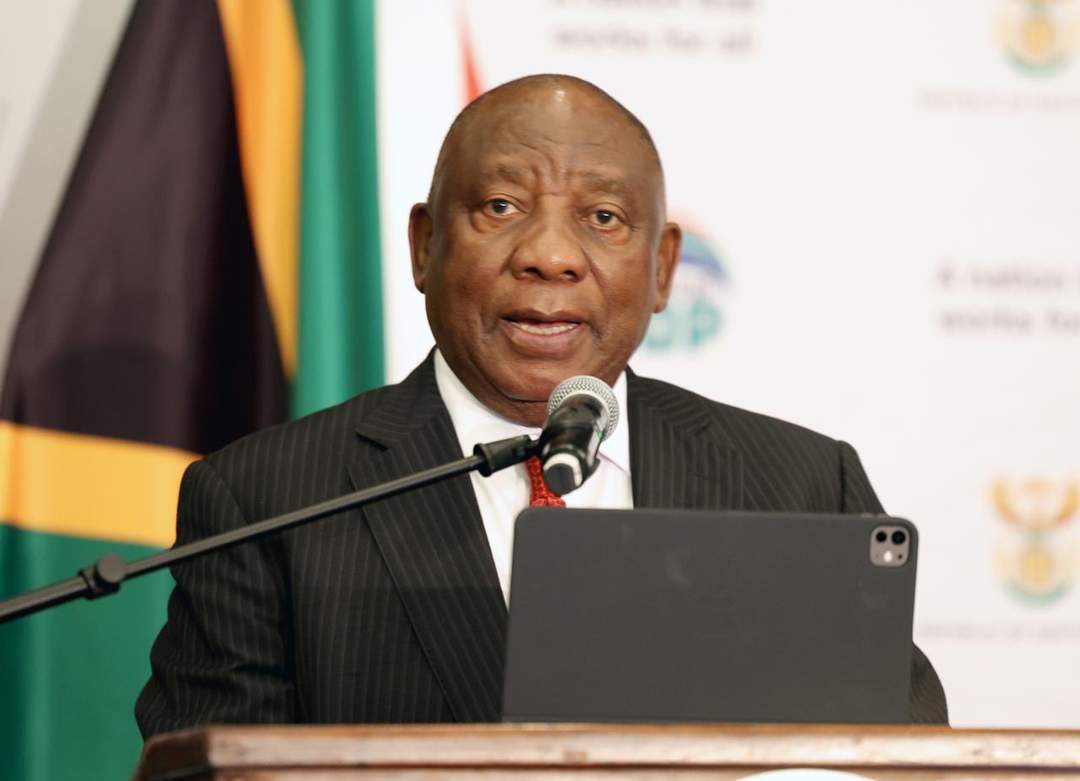
Ramaphosa to address the nation on immigration issues as tension rises – News24: A Deep Dive into South Africa’s Migration Crisis
South Africa finds itself at a critical juncture as President Cyril Ramaphosa prepares to address the nation regarding immigration issues as tension rises – News24. This anticipated announcement comes amid a volatile climate characterized by escalating social friction and a surge in xenophobic sentiment across various provinces. The presidency’s move to speak directly to the public signals an acknowledgment that the current state of migration management and the accompanying social unrest have reached a tipping point that requires executive intervention.
The upcoming address is not merely a reactive measure to recent unrest but is positioned as the public unveiling of a broader, more strategic approach to border control and foreign national residency. With the Cabinet having already approved a comprehensive migration plan, the government is attempting to balance the necessity of legal migration and regional cooperation with the urgent domestic demand for stricter enforcement of immigration laws.
The Catalyst for the National Address
The decision for the President to address the country stems from a complex interplay of socio-economic pressures and security concerns. In recent months, the intersection of high unemployment rates and perceived competition for limited resources has fueled resentment toward foreign nationals. This environment has frequently manifested in sporadic but intense xenophobic attacks, creating a humanitarian and diplomatic crisis that the South African government can no longer ignore.
By framing the address around the theme of “immigration issues as tension rises,” the administration is attempting to get ahead of the narrative. The goal is to reassure the domestic population that illegal migration is being handled with rigor, while simultaneously signaling to the international community—and specifically to fellow African nations—that South Africa remains committed to the principles of Pan-Africanism and the rule of law.
Key drivers contributing to the current tension include:
- Perceived Lawlessness: A widespread belief among citizens that immigration laws are not being consistently enforced, leading to a rise in undocumented residents.
- Economic Competition: The perception that illegal migration puts undue pressure on public services and the informal labor market.
- Social Volatility: The rapid escalation of localized protests into wider xenophobic violence, necessitating a high-level state response to prevent further loss of life.
Deconstructing the Comprehensive Migration Plan
Central to the government’s strategy is the Cabinet-approved comprehensive migration plan. While the specific granular details are expected to be elaborated upon in the President’s speech, the plan represents a systemic shift in how South Africa intends to manage its borders and the residency of foreign nationals.
This plan is designed to move away from ad-hoc raids and reactive policing toward a sustainable, integrated framework. It likely involves a multi-agency approach, coordinating the efforts of the Department of Home Affairs, the South African Police Service (SAPS), and border management authorities.
The comprehensive migration plan seeks to synchronize border security with internal residency enforcement, ensuring that the legal pathways for migration are streamlined while illegal entries are systematically curtailed.
Core Pillars of the Migration Strategy
Based on the presidency’s outlines, the migration plan is expected to focus on several critical areas:
- Enhanced Border Infrastructure: Investing in technology and personnel to reduce the number of illegal crossings and improve the tracking of entrants.
- Audit and Regularization: A systematic review of current residency permits to distinguish between those with legal claims to stay and those who have overstayed their visas.
- Streamlined Deportation Processes: Improving the efficiency of the legal machinery required to repatriate undocumented individuals in a manner that respects human rights and international law.
- Inter-Departmental Cooperation: Breaking down silos between the agencies responsible for visa issuance and those responsible for enforcement.
For a deeper understanding of how these policies intersect with regional stability, readers may find a related explainer on Southern African Development Community (SADC) protocols useful.
Addressing Illegal Migration: Measures and Mandates
The Presidency has been clear that addressing illegal migration is a non-negotiable priority. The measures outlined by the South African Government News Agency suggest a “zero-tolerance” approach toward the breach of immigration laws, though this is tempered by the need to avoid indiscriminate violence against all foreign nationals.
The government’s strategy for curbing illegal migration involves a transition toward more digitized and verifiable systems. By reducing the reliance on manual paperwork—which has historically been a vulnerability for corruption and fraud—the state aims to create a “harder” border and a more transparent residency system.
| Focus Area | Proposed Measure | Intended Outcome |
|---|---|---|
| Border Control | Increased surveillance and patrol density | Reduction in illegal entry points |
| Visa Management | Digitization of permit verification | Elimination of fraudulent documentation |
| Internal Enforcement | Targeted compliance checks | Identification of undocumented residents |
| Repatriation | Diplomatic agreements for faster returns | Efficient removal of illegal migrants |
Diplomacy in the Wake of Xenophobia
One of the most challenging aspects of the current crisis is the diplomatic fallout from xenophobic attacks. South Africa’s image as a beacon of liberation and a leader in African unity has been tarnished by reports of violence targeting migrants from other African nations.
In a strategic move to repair these relationships, the government has announced the dispatch of envoys to Africa and other continents. These envoys are tasked with a dual mission: to express official regret for the violence and to reassure foreign governments that their citizens are safe in South Africa.
The Role of Special Envoys
The deployment of these diplomatic representatives is a recognition that the “immigration issue” is not just a domestic policy problem but an international relations crisis. The envoys are expected to:
- Engage in High-Level Dialogue: Meet with heads of state and foreign ministers to discuss the root causes of the tension.
- Coordinate Repatriation: Work with receiving countries to ensure that the comprehensive migration plan’s deportation efforts are handled smoothly and humanely.
- Combat Misinformation: Counteract narratives that suggest the South African state is complicit in or indifferent to xenophobic violence.
Regional Cooperation: The Ramaphosa-Ruto Bilateral Talks
The complexity of migration in Southern and Eastern Africa requires a collaborative approach. This was evidenced by the bilateral talks between President Ramaphosa and President William Ruto of Kenya. These discussions highlight that migration challenges are not unique to South Africa but are regional phenomena driven by economic instability, conflict, and climate change in various parts of the continent.
The talks between Ramaphosa and Ruto focused on creating shared frameworks for migration management. By discussing these challenges bilaterally, the two leaders are acknowledging that the “push factors” in sending countries are as important as the “pull factors” in receiving countries. This diplomatic alignment suggests a move toward a more holistic African solution to migration, rather than isolated national policies.
Key themes from these bilateral discussions include:
- Labor Mobility: Exploring legal frameworks that allow for the movement of skilled labor to benefit both economies.
- Security Cooperation: Sharing intelligence on human trafficking networks that exploit vulnerable migrants.
- Economic Integration: Reducing the desperation that drives illegal migration by fostering regional trade and investment.
The Socio-Economic Underpinnings of the Tension
To understand why the President must address the nation on immigration issues as tension rises – News24, one must look beyond the policy documents and into the streets of South Africa’s urban centers. The tension is a symptom of deeper systemic failures.
South Africa’s struggle with extreme inequality and a stagnant economy has created a fertile ground for scapegoating. When citizens lack access to basic services, housing, or employment, foreign nationals—particularly those in the informal sector—become easy targets for frustration. This social friction is often exacerbated by political rhetoric that frames migrants as the primary cause of economic hardship.
Common Misconceptions vs. Reality
Notice several prevailing myths regarding migration in South Africa that the government’s new plan may need to address to truly lower tensions:
- Misconception: Migrants are the primary cause of the unemployment crisis.
Reality: While competition exists in the informal sector, structural unemployment is driven by a mismatch of skills and a lack of industrial growth. - Misconception: All foreign nationals are undocumented.
Reality: A significant portion of the migrant population contributes legally to the economy through professional services and entrepreneurship. - Misconception: Stricter border control alone will solve the social tension.
Reality: Without addressing the underlying poverty and service delivery failures, the target of resentment may simply shift.
For those interested in the broader economic drivers of this crisis, a detailed analysis of South Africa’s labor market trends provides essential context.
Implications for the Future
The success of President Ramaphosa’s upcoming address and the subsequent implementation of the comprehensive migration plan will be measured by two metrics: the reduction of illegal migration and the cessation of xenophobic violence.
In the short term, the government faces the daunting task of enforcing laws without triggering further unrest. If the enforcement is perceived as too lenient, the domestic “anti-migrant” factions may take the law into their own hands. Conversely, if the enforcement is perceived as overly aggressive or indiscriminate, it could lead to human rights violations and further strain diplomatic ties with African neighbors.
Long-term stability will require more than just a “migration plan.” It will require a social contract that ensures South African citizens feel secure in their own economic future, reducing the perceived threat posed by foreign nationals. The dispatch of envoys and the bilateral talks with leaders like President Ruto are steps toward a diplomatic safety net, but the real work remains domestic.
The government’s focus on “illegal migration” as a specific target is a strategic attempt to separate the “legal resident” from the “illegal entrant” in the public imagination. By doing so, the administration hopes to protect those who contribute legally to the country while satisfying the public demand for law and order.
Frequently Asked Questions
Why is President Ramaphosa addressing the nation specifically on immigration?
The address is a response to rising social tensions and xenophobic attacks, as well as the need to communicate the Cabinet’s newly approved comprehensive migration plan to the public and the international community.
What is the “comprehensive migration plan” mentioned in the news?
This proves a government strategy approved by the Cabinet to manage migration more effectively. It focuses on strengthening border security, digitizing permit verification, and improving the legal processes for the removal of undocumented persons.
How is South Africa handling the diplomatic fallout from xenophobic attacks?
The government is dispatching special envoys to various continents, particularly across Africa, to repair diplomatic relations, express regret for the violence, and ensure the safety of foreign nationals.
What was the purpose of the talks between President Ramaphosa and President Ruto?
The bilateral talks aimed to address shared migration challenges between South Africa and Kenya, focusing on regional cooperation, labor mobility, and combating the root causes of illegal migration.
Does the new plan mean all migrants will be deported?
No. The presidency has outlined measures specifically targeting illegal migration. The goal is to enforce existing immigration laws and distinguish between those who have legal residency and those who are in the country undocumented.
As the nation awaits the President’s words, the focus remains on whether a policy-driven approach can soothe a deeply divided social landscape. The intersection of national security, human rights, and diplomatic necessity makes this one of the most complex challenges of the current administration.
