
Six Nations Calls Out Brantford Councillor Over ‘Virtue Signalling’ Comments on Land Acknowledgments
Six Nations of the Grand River has publicly criticized a Brantford city councillor who described land acknowledgments as “virtue signalling.” The dispute highlights ongoing tensions regarding reconciliation efforts and the perceived authenticity of symbolic gestures within Ontario municipal governance, according to reports from CBC and Yahoo News Canada.
What sparked the dispute between Six Nations and the Brantford councillor?
The conflict began when a member of the Brantford city council stated he does not “believe in” the practice of land acknowledgments. The councillor characterized these statements—which recognize the traditional territories of Indigenous peoples—as “virtue signalling,” a term used to describe the public expression of opinions intended to demonstrate one’s good character without taking substantive action.
Six Nations of the Grand River responded by calling out the councillor’s comments. The community’s reaction emphasizes that land acknowledgments are not merely social formalities but are intended to acknowledge a historical and ongoing relationship with the land and the people who were displaced from it.
The councillor’s stance suggests a divide within the municipal government regarding how to approach the Truth and Reconciliation Commission’s (TRC) goals. While the city of Brantford has integrated these acknowledgments into its official protocols, the councillor’s public dismissal of the practice indicates a lack of consensus on the value of these gestures.
“Land acknowledgments are often viewed by critics as empty words, but for Indigenous communities, they represent a baseline of recognition for sovereignty and history.”
Why are land acknowledgments viewed as ‘virtue signalling’ by some?
The term “virtue signalling” in this context refers to the belief that reciting a scripted statement at the start of a meeting does not result in tangible changes for Indigenous peoples. Critics of the practice argue that it allows institutions to appear progressive while avoiding the harder work of land restitution, policy change, or financial reparations.
According to political analysts observing Canadian municipal trends, this skepticism often stems from a perceived gap between symbolic rhetoric and legislative action. When a government acknowledges the land but continues to approve developments on disputed territories or fails to implement Indigenous-led environmental protections, the acknowledgment can appear performative.
However, proponents of the practice argue that symbolism is a necessary precursor to action. They suggest that the act of naming the traditional stewards of the land forces non-Indigenous citizens to confront the reality of colonization and the legitimacy of Indigenous land claims. In the case of Brantford, the proximity to the Six Nations of the Grand River community makes these acknowledgments particularly significant due to the complex and often contentious history of land ownership in the region.
Comparison of Symbolic vs. Substantive Reconciliation Actions
| Symbolic Actions | Substantive Actions |
|---|---|
| Reciting land acknowledgments at events | Returning land to Indigenous stewardship |
| Flying Indigenous flags at city hall | Implementing co-management of natural resources |
| Issuing public apologies for past harms | Changing zoning laws to protect sacred sites |
| Creating “Reconciliation” committees | Direct funding for Indigenous-led social services |
What is the historical context of the relationship between Brantford and Six Nations?
The tension in Brantford is not an isolated political disagreement; it is rooted in centuries of land disputes. The Six Nations of the Grand River hold a deep and complex historical tie to the land surrounding Brantford, primarily through the Haldimand Proclamation of 1784.
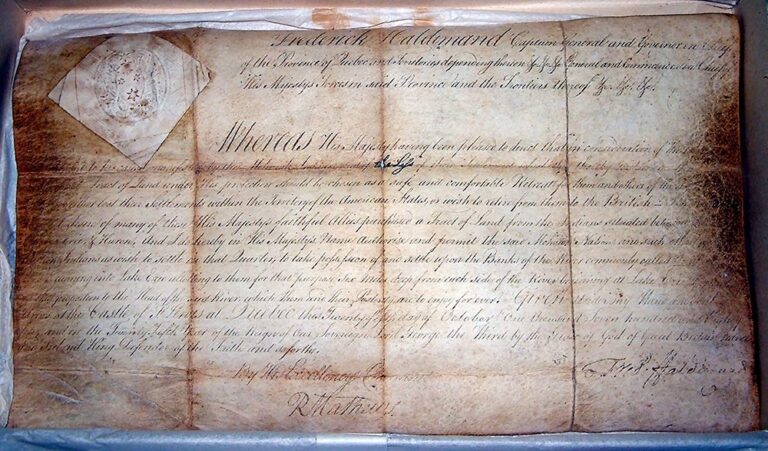
The Haldimand Proclamation granted the Six Nations a tract of land—six miles deep on each side of the Grand River—as compensation for the losses they suffered during the American Revolutionary War. Over the following two centuries, much of this land was lost through illegal sales, government seizures, and encroachment by settlers. This history has left a legacy of distrust and legal battles that continue to this day.
Because Brantford grew as a hub of industry and settlement on or near these disputed lands, the city’s municipal policies regarding Indigenous relations are under constant scrutiny. When a city official dismisses land acknowledgments, it is often interpreted by the Six Nations community not as a critique of a “trend,” but as a denial of the historical injustice associated with the land the city occupies.
- The Haldimand Tract: A massive grant of land that serves as the legal basis for many Six Nations land claims.
- Displacement: The process by which Indigenous populations were pushed off their ancestral lands to make room for European settlement.
- Sovereignty: The right of the Six Nations to govern themselves and their territories.
How does this fit into the broader Canadian reconciliation movement?
The debate in Brantford mirrors a national conversation occurring across Canada. The Truth and Reconciliation Commission of Canada (TRC), which focused on the legacy of the residential school system, issued 94 “Calls to Action” to redress the legacy of genocide and colonization.
Many municipal governments have adopted land acknowledgments as a way to respond to these calls. However, the effectiveness of these gestures is frequently debated. Some Indigenous leaders have expressed frustration that acknowledgments have become “rote” or “robotic,” stripped of their original meaning and transformed into a corporate checklist item.
The councillor’s comments reflect a growing political pushback against “woke” policies, where traditional norms of governance are challenged by new protocols of social awareness. By labeling land acknowledgments as “virtue signalling,” the councillor aligns himself with a viewpoint that sees these practices as ideological impositions rather than essential steps toward healing.
For those following a related explainer on TRC calls to action, it becomes clear that the TRC urged a fundamental shift in the relationship between Indigenous and non-Indigenous peoples. This includes recognizing Indigenous rights and title to land, which goes far beyond the spoken word of an acknowledgment.
What are the implications for Brantford’s municipal governance?
The public disagreement between a sitting councillor and the Six Nations community could impact the city’s ability to collaborate on joint initiatives. Effective municipal governance in regions with strong Indigenous presences requires a foundation of mutual respect and trust.

When a public official expresses a lack of belief in the protocols designed to foster that respect, it can create a diplomatic rift. Potential consequences include:
- Strained Intergovernmental Relations: Difficulty in negotiating agreements regarding land use, infrastructure, or environmental protection.
- Public Polarization: The comments may embolden other residents to dismiss Indigenous concerns, while simultaneously alienating Indigenous community members from participating in city processes.
- Policy Stagnation: A shift toward viewing reconciliation as a political “option” rather than a civic obligation may slow the implementation of substantive policy changes.
Furthermore, this incident places the rest of the Brantford city council in a difficult position. They must balance the freedom of speech of a colleague with the city’s stated commitment to reconciliation and its relationship with the Six Nations of the Grand River.
Common misconceptions about land acknowledgments
To understand why the councillor’s comments were so contentious, it is necessary to address common misunderstandings about what land acknowledgments are and are not.
Misconception 1: Land acknowledgments are legal land transfers.
A land acknowledgment is a statement of recognition, not a legal deed. It does not transfer ownership of land. However, it acknowledges that the land was taken through processes that are now recognized as unjust. The councillor’s view that they are “meaningless” ignores the psychological and social importance of this recognition.
Misconception 2: They are only meant to make the speaker feel good.
While some people may use them for “virtue signalling,” the original intent is to honor the Indigenous people who have lived on and cared for the land since time immemorial. When done correctly, they are intended to provoke thought in the listener about the history of the place they occupy.
Misconception 3: They are a “new” or “modern” invention.
While the specific format of the “land acknowledgment” has become more common in the last decade, the practice of recognizing Indigenous territory is as old as the treaties themselves. The current trend is a resurgence of these protocols in response to the TRC findings.
What happens when symbolic gestures fail?
The backlash from Six Nations suggests that the community is increasingly less tolerant of symbolic gestures that are not backed by action. This is a trend seen across Canada, where Indigenous groups are demanding “meaningful” reconciliation.
Meaningful reconciliation typically involves:
- Economic Partnership: Ensuring Indigenous communities benefit from the economic development of the land.
- Legislative Recognition: Incorporating Indigenous law and traditional knowledge into municipal bylaws.
- Land Back Initiatives: Exploring ways to return unused or contested crown land to Indigenous stewardship.
By dismissing the acknowledgment as “virtue signalling,” the councillor has inadvertently highlighted the very problem that many Indigenous people feel: that the words are often empty. However, the Six Nations’ response clarifies that the problem is not the existence of the acknowledgment, but the attitude of those who deliver it without sincerity or understanding.
Frequently Asked Questions
What is “virtue signalling” in the context of land acknowledgments?
Virtue signalling is the act of expressing a virtuous opinion to show others that one is a “good person” without actually doing anything to support the cause. In this case, the Brantford councillor suggests that reciting land acknowledgments is a way for officials to look progressive without taking real action to help Indigenous communities.
Who are the Six Nations of the Grand River?
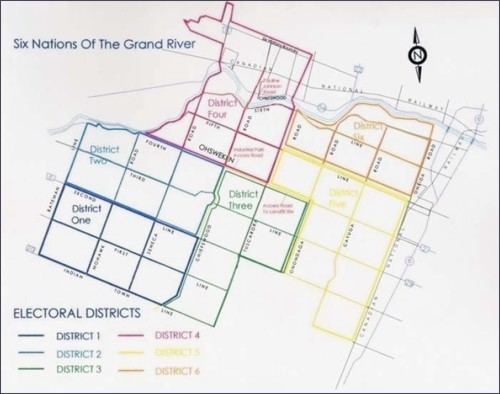
The Six Nations of the Grand River is a federally recognized First Nation in Ontario, comprising the Mohawk, Oneida, Onondaga, Cayuga, Seneca, and Tuscarora nations. They have a long and complex history of land ownership and governance in the area surrounding Brantford.
Why does the city of Brantford use land acknowledgments?
Brantford uses these acknowledgments to recognize the traditional territories of the Indigenous peoples who lived there before European settlement. This is part of a broader effort in Canada to align with the Truth and Reconciliation Commission’s (TRC) Calls to Action.
Is it illegal for a councillor to refuse to believe in land acknowledgments?
No, there is generally no law requiring a politician to personally “believe” in a specific protocol. However, such statements can lead to political fallout, public criticism, and a breakdown in diplomatic relations between the municipality and Indigenous governing bodies.
What is the Haldimand Proclamation?
The Haldimand Proclamation of 1784 was a grant of land given to the Six Nations by the British Crown as compensation for their loyalty and losses during the American Revolution. Much of this land was subsequently lost, leading to ongoing land claims and disputes.
The tension in Brantford serves as a microcosm of the larger struggle for reconciliation in Canada. As the gap between symbolic gestures and substantive change remains wide, the friction between those who see these protocols as essential and those who see them as performative is likely to persist. For the Six Nations of the Grand River, the issue is not about the words themselves, but about the respect and recognition of their enduring connection to the land.
