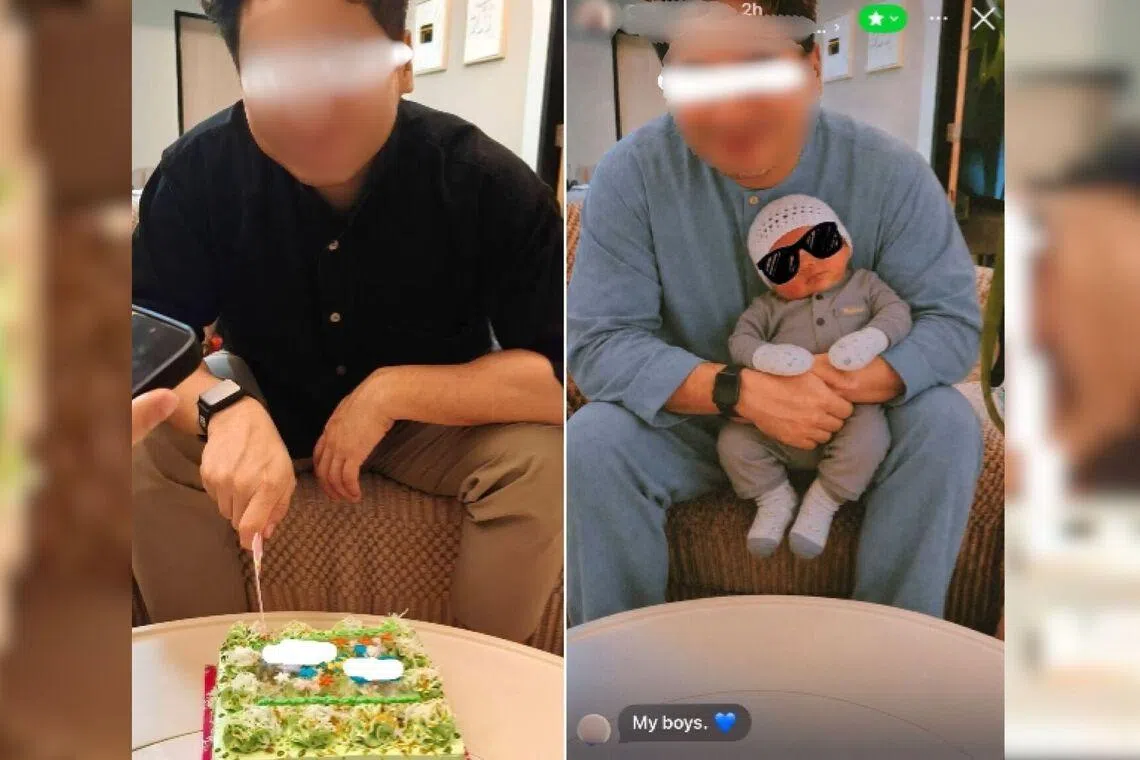
S’pore man targeted by former schoolmate who posted AI images of them as couple with baby – The Straits Times
A Singaporean man became the target of a former schoolmate who used generative artificial intelligence to create and publish fraudulent images depicting the two individuals as a romantic couple with a baby. This incident, detailed in reports regarding a S’pore man targeted by former schoolmate who posted AI images of them as couple with baby – The Straits Times, underscores a shift in digital harassment where synthetic media is used to fabricate entire life narratives rather than just isolated fake images.
What happened in the AI harassment case?
A man in Singapore discovered that a former classmate had utilized AI image-generation tools to produce a series of photorealistic images. These images did not merely swap faces; they depicted the victim and the perpetrator in a domestic relationship, including images of them as a couple and as parents to a child. The perpetrator then shared these images on social media platforms, presenting the fabricated relationship as a reality to the public.
The victim reported that the images were designed to look authentic, leveraging the capabilities of modern AI to blend the likenesses of the two individuals into a consistent, fictional story. This form of harassment differs from traditional “deepfakes,” which often focus on explicit content or political misinformation, by targeting the victim’s social reputation and personal boundaries through the creation of a fake personal history.
Key details of the incident include:
- The Method: The use of generative AI to create synthetic imagery of a non-existent relationship.
- The Content: Images of the two parties as a couple and with a baby.
- The Distribution: Public posting on social media to deceive mutual acquaintances and the general public.
- The Relationship: The perpetrator was a former schoolmate of the victim.
How does AI-generated social fabrication work?
The images used in this case were likely created using “text-to-image” or “image-to-image” generative AI. Tools such as Midjourney, Stable Diffusion, or DALL-E allow users to upload reference photos of specific people and then provide a prompt to place those people in any scenario. By using a technique known as “LoRA” (Low-Rank Adaptation) or “FaceSwap” plugins, a user can train a small AI model on a few photos of a person to ensure their likeness is captured accurately across multiple different generated images.
In this specific instance, the perpetrator did not just create a single fake photo. They created a narrative. By generating multiple images—some showing a romantic bond and others showing parenthood—the attacker created a “synthetic reality.” This makes the harassment more potent because it creates a false digital footprint that can be difficult for the victim to debunk quickly across various social circles.
“The danger of generative AI is no longer just about the ‘big lie’ in politics, but the ‘small lie’ in personal lives—the ability to fabricate a relationship or a family history that never existed.”
What are the legal implications under Singapore law?
Singapore has some of the world’s most specific laws regarding online harassment, primarily centered on the Protection from Harassment Act (POHA). Under POHA, the act of publishing synthetic media to cause distress or harassment can lead to both civil and criminal penalties.
Legal experts note that this case falls into several potential categories of legal breach:
- Harassment: If the images were posted to cause alarm or distress to the victim, it constitutes a breach of POHA.
- Doxxing and Falsehoods: The publication of false information that harms a person’s reputation may be actionable.
- POFMA: While the Protection from Online Falsehoods and Manipulation Act (POFMA) typically targets matters of public interest, the general legal trend in Singapore is toward holding creators of “deepfake” content accountable when that content is used for malicious intent.
| Legal Framework | Application to AI Images | Potential Outcome |
|---|---|---|
| POHA (Civil) | Application for Protection Order (PO) | Court orders the removal of images and a ban on further posts. |
| POHA (Criminal) | Police report for intentional harassment | Fines or imprisonment for the perpetrator. |
| Defamation Law | Claim for damage to reputation | Monetary damages for loss of standing or emotional distress. |
Why is this different from previous deepfake trends?
Most public discourse on AI images has centered on “non-consensual intimate imagery” (NCII), where faces are swapped into adult content. However, the case of the S’pore man targeted by former schoolmate who posted AI images of them as couple with baby – The Straits Times represents a new evolution: Social Engineering Harassment.
This trend is distinct for three reasons:
1. Emotional Gaslighting
Unlike a pornographic deepfake, which is an obvious attack on modesty, a “fake family” image attacks the victim’s identity and social truth. It forces the victim to argue against a “wholesome” image (a couple with a baby), which can make the victim appear aggressive or unstable to outsiders who believe the fake images.
2. The “Truth” Gap
Because the images are not explicit, they may not be flagged by automated AI safety filters on platforms like Facebook or Instagram. Most platforms have strict rules against nudity, but fewer rules against “fake relationships,” meaning these images can stay online longer before being reported and removed.
3. Target Precision
The use of a former schoolmate as the perpetrator indicates a “targeted” approach. The attacker used existing social connections to ensure the images reached people who actually knew the victim, maximizing the social damage.
What are the psychological impacts of synthetic harassment?
Psychologists suggest that synthetic harassment can lead to a state of “digital dysmorphia” or extreme anxiety. When a victim’s likeness is used to create a life they never lived, it creates a disconnect between their lived experience and their digital shadow.
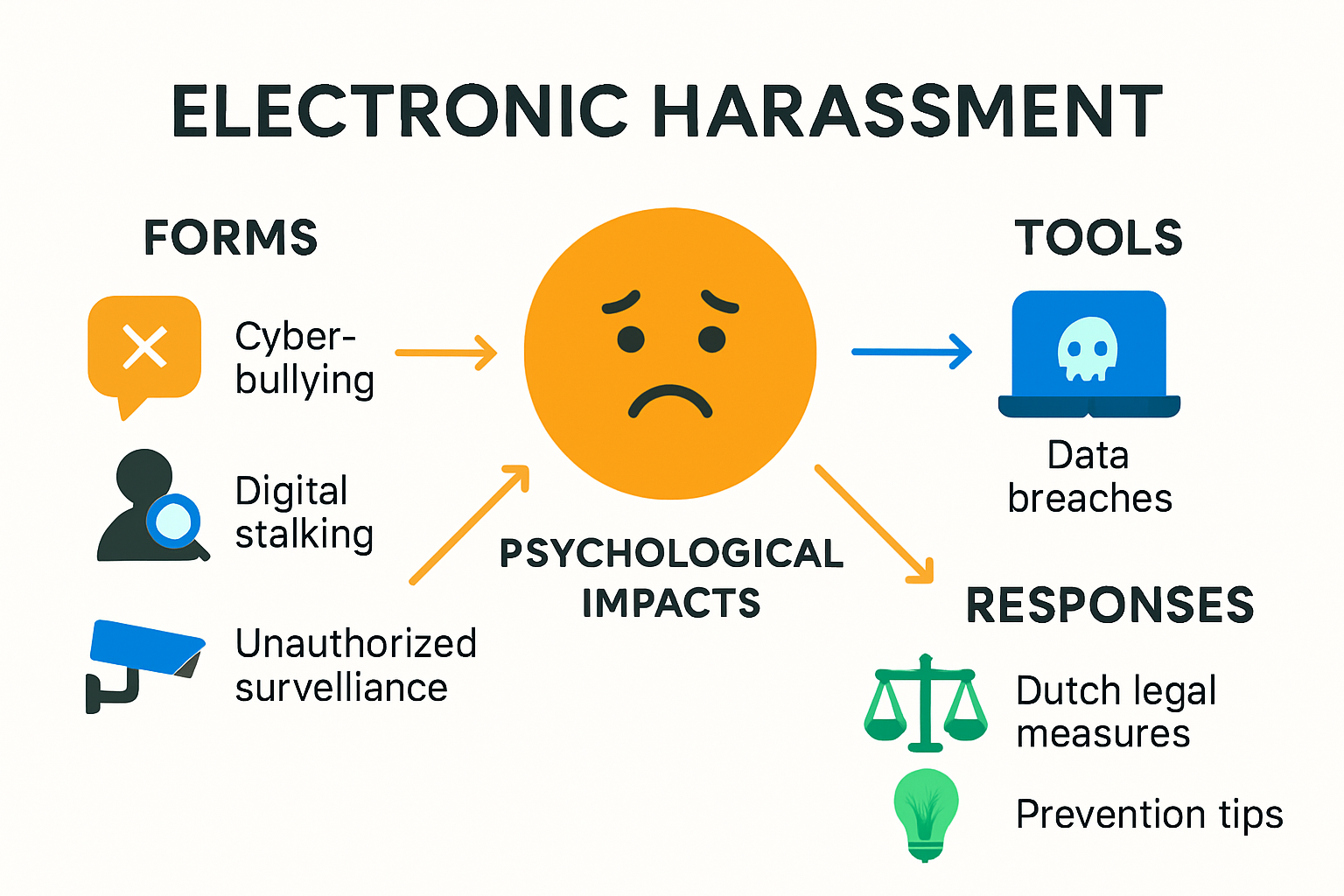
Victims often experience:
- Hyper-vigilance: A constant fear of what other images may have been created or where they might appear.
- Social Isolation: Withdrawal from mutual friends to avoid questions about the fake relationship.
- Loss of Agency: A feeling that they no longer control their own image or identity.
This case is a prime example of how AI can be weaponized to conduct “character assassination” without needing to tell a verbal lie; the attacker simply “shows” a lie that looks like a photograph.
How can individuals protect themselves from AI-driven impersonation?
While it is nearly impossible to prevent someone from using a public photo to train an AI, there are steps individuals can take to mitigate the risk and respond to attacks.
Proactive Measures
- Audit Privacy Settings: Limit the number of high-resolution, clear face photos available to the “Public” on social media. AI models require clear data to create accurate likenesses.
- Watermarking: For professional photos, using subtle watermarks can sometimes interfere with the way AI scrapers process the image, though this is not a foolproof solution.
- Awareness: Informing close friends and family that AI-generated images are becoming common can create a “buffer” of skepticism if a fake image ever surfaces.
Reactive Steps for Victims
- Document Everything: Take screenshots of the posts, the timestamps, and the account that posted them. Do not delete the evidence before archiving it.
- Report to Platforms: Use the “impersonation” or “harassment” reporting tools. Specifically mention that the images are “AI-generated synthetic media.”
- Legal Action: In Singapore, victims should file a police report and consider a POHA application to legally compel the removal of the content.
- Public Clarification: A single, clear statement debunking the images is often more effective than arguing with the perpetrator.
For those seeking more information on digital safety, a related explainer on deepfake detection tools may provide technical guidance on how to spot synthetic imagery.
Comparing AI harassment types: Social vs. Explicit
To understand the gravity of the S’pore man targeted by former schoolmate who posted AI images of them as couple with baby – The Straits Times case, it is helpful to compare it to other forms of AI misuse.
| Feature | Explicit Deepfakes (NCII) | Social Fabrication (The current case) |
|---|---|---|
| Primary Goal | Sexual humiliation / blackmail | Reputational damage / social manipulation |
| Detection | Easier (often flagged by AI filters) | Harder (looks like normal family photos) |
| Social Reaction | Shock, disgust, or support for victim | Confusion, curiosity, or belief in the lie |
| Legal Path | Obscenity laws / POHA | POHA / Defamation |
The role of social media platforms in policing synthetic media
This incident highlights a significant gap in the moderation policies of major tech companies. While platforms have invested heavily in detecting “deepfake” politicians to protect elections, they have been slower to implement tools that protect private citizens from “social deepfakes.”
The challenge for platforms is twofold:
- Contextual Blindness: An AI moderator cannot know if a photo of a couple is a real photo or a fake one without a report from a human.
- The “Satire” Loophole: Many perpetrators claim their AI images are “jokes” or “art,” which can sometimes protect them under free speech or satire policies.
However, the trend is moving toward mandatory labeling. The European Union’s AI Act and similar discussions in other jurisdictions suggest that AI-generated content must be watermarked or labeled as “synthetic.” If such laws were strictly enforced globally, the perpetrator in the Singapore case would have been unable to post the images without a “Generated by AI” tag, which would have immediately alerted viewers to the fraud.
What to watch for in the future of AI harassment
The case of the Singaporean man is likely a precursor to more complex forms of synthetic harassment. As AI moves from static images to video and audio (cloning), the ability to fabricate a “life” becomes even more convincing.
Future risks include:
- Synthetic Audio: Fake voice notes of a victim admitting to things they never did.
- AI Video: Short clips of “domestic” life that appear to show a relationship in motion.
- Automated Bot Networks: Using AI to not only create the image but to have hundreds of fake accounts “confirm” that the relationship is real in the comments section.
The legal system in Singapore and elsewhere will need to evolve from treating these as “isolated posts” to treating them as “campaigns of synthetic deception.”
Frequently Asked Questions
Can AI-generated images be used as evidence in a Singapore court?
Yes, but they are used as evidence of the act of harassment rather than as evidence of a fact. In this case, the images serve as proof that the perpetrator created and distributed synthetic media to target the victim, which is the core of a POHA claim.
How can I tell if a photo of a person is AI-generated?
Look for “AI artifacts.” Common signs include unnatural blending where hair meets the background, inconsistent lighting on the faces of two people in the same shot, or strange anomalies in the hands and jewelry. However, as AI improves, these signs are becoming harder to spot.
Is it illegal to create AI images of someone without their consent, even if you don’t post them?
In many jurisdictions, the act of creation is a gray area, but the act of distribution is where the law clearly steps in. In Singapore, if the creation is part of a stalking or harassment pattern, it can be used to establish intent in a legal case.
What is the fastest way to get AI images removed from Facebook or Instagram?
Report the image specifically as “Harassment” or “Impersonation.” If the images are synthetic, you can also report them under “False Information” if the platform has a specific category for AI-generated misinformation.
Does POHA cover AI-generated content?
Yes. POHA is designed to protect individuals from harassment, regardless of the tool used to carry it out. Whether the harassment is done via a handwritten letter, a typed email, or an AI-generated image, the legal focus is on the effect on the victim and the intent of the perpetrator.
