Cytomegalovirus Infection in an Extremely Preterm Infant: A Diagnostic Challenge – Cureus
Medical practitioners face significant hurdles in identifying Cytomegalovirus (CMV) in neonatal intensive care units (NICUs) because its symptoms frequently mimic common bacterial sepsis. According to a clinical case analysis published via Cureus, the diagnosis of Cytomegalovirus infection in an extremely preterm infant requires a high index of clinical suspicion and rapid PCR testing to prevent permanent neurological and auditory damage.
What happened in the reported case of neonatal CMV?
A medical case report detailed the treatment of an extremely preterm infant who presented with a complex array of symptoms that initially suggested a standard neonatal infection. The infant exhibited lethargy, poor feeding, and respiratory distress—clinical markers that are common in many preterm births and often point toward bacterial pneumonia or systemic sepsis.
Initial interventions followed standard NICU protocols for suspected sepsis, including the administration of broad-spectrum antibiotics. However, the infant failed to show significant improvement despite these treatments. This lack of response prompted physicians to look beyond bacterial causes, leading to the investigation of viral pathogens, specifically Cytomegalovirus.
The diagnosis was eventually confirmed through a Polymerase Chain Reaction (PCR) test. The report emphasizes that the “diagnostic challenge” stems from the fact that CMV does not always present with the classic “textbook” signs, such as a characteristic rash (petechiae) or significant liver enlargement (hepatosplenomegaly), especially in infants born extremely prematurely.
Key clinical indicators in this case included:
- Persistent thrombocytopenia (low platelet count).
- Elevated liver enzymes.
- Failure to respond to first- and second-line antibiotic therapies.
- Respiratory instability requiring prolonged ventilator support.
Why is CMV diagnosis a challenge in extremely preterm infants?
The primary difficulty in diagnosing CMV in the NICU is the overlap of symptoms with other neonatal conditions. In extremely preterm infants, the immune system is underdeveloped, making them susceptible to a wide range of infections. According to medical literature, the clinical presentation of CMV often mirrors that of early-onset sepsis, which is a leading cause of mortality in the NICU.
Physicians often face a “diagnostic fog” because the symptoms—fever, apnea, and instability—are non-specific. Furthermore, the timing of the infection changes the diagnostic approach. CMV can be acquired in utero (congenital) or after birth (late-onset/acquired), and the two pathways require different screening timelines.
In the case highlighted by Cureus, the diagnostic challenge was compounded by the infant’s extreme prematurity. Preterm infants already struggle with lung development and temperature regulation, which can mask the systemic inflammatory response typically associated with a viral infection. This often leads to a delay in ordering the specific viral panels necessary to identify CMV.
| Symptom | Bacterial Sepsis Presentation | CMV Infection Presentation |
|---|---|---|
| Response to Antibiotics | Typically improves within 48-72 hours | No improvement; symptoms persist |
| Blood Markers | High Procalcitonin/CRP | Thrombocytopenia and elevated ALT/AST |
| Respiratory Status | Acute distress/Pneumonia | Gradual decline or persistent instability |
| Physical Signs | Variable; often systemic shock | May include microcephaly or petechiae (rare in preterm) |
How is Cytomegalovirus confirmed in newborns?
The gold standard for confirming a CMV infection in a neonate is the PCR test of urine or saliva. According to the clinical guidelines discussed in the Cureus report, the timing of this test is the most critical factor for an accurate diagnosis.
To distinguish between congenital CMV (acquired in the womb) and late-onset CMV (acquired after birth), the sample must be collected within the first three weeks of life. If a PCR test is positive after 21 days, clinicians cannot definitively state whether the infection was congenital or acquired in the hospital environment. This distinction is vital because congenital CMV is more likely to cause severe long-term neurological impairment.
The diagnostic process typically follows this sequence:
- Clinical Suspicion: Triggered by thrombocytopenia or failure to respond to antibiotics.
- Sample Collection: Urine is generally preferred over saliva due to higher viral loads.
- PCR Analysis: Detection of CMV DNA in the sample.
- Quantification: Measuring the viral load to determine the severity of the infection and the necessity of antiviral therapy.
For more information on neonatal screening, readers may find a related explainer on neonatal sepsis protocols useful for comparing diagnostic timelines.
What are the treatment options for neonatal CMV?
Once a CMV infection is confirmed, particularly in symptomatic infants, antiviral therapy is initiated. The most common medications used are Ganciclovir and its prodrug, Valganciclovir. According to the report, these drugs work by inhibiting the replication of the virus’s DNA, thereby reducing the viral load in the infant’s system.
The administration of these drugs is not without risk. Ganciclovir can cause neutropenia (a dangerous drop in white blood cells), which increases the infant’s vulnerability to other opportunistic infections. Consequently, clinicians must perform frequent blood counts to monitor the infant’s bone marrow function during treatment.
The duration of treatment is typically six months. This extended window is necessary because CMV can remain latent in the body and cause delayed damage to the central nervous system and auditory nerves. The goal of therapy is not necessarily to eliminate the virus entirely—as CMV often persists for life—but to suppress it enough to allow for normal organ development.
“The critical window for antiviral intervention is early detection; delayed treatment significantly increases the risk of permanent sensorineural hearing loss and developmental delays.”
What are the long-term implications of a CMV infection?
The consequences of CMV in a preterm infant extend far beyond the initial NICU stay. The virus has a predilection for the central nervous system and the inner ear, which can lead to lifelong disabilities.
Sensorineural Hearing Loss (SNHL)
CMV is the leading non-genetic cause of sensorineural hearing loss in children. The virus can damage the cochlea or the auditory nerve. A significant challenge for clinicians is that hearing loss may be “delayed-onset,” meaning the infant passes their initial newborn hearing screen but loses hearing months or years later. This necessitates long-term auditory monitoring.
Neurodevelopmental Delays
The infection can cause inflammation in the brain (encephalitis) or lead to the formation of intracranial calcifications. This may manifest as:
- Microcephaly (abnormally small head size).
- Intellectual disabilities.
- Cerebral palsy or motor skill impairments.
- Visual impairment (chorioretinitis).
The Role of Early Intervention
Early diagnosis allows for a multidisciplinary approach to care. Infants diagnosed with CMV are typically enrolled in early intervention programs, including physical therapy, speech therapy, and frequent ophthalmological exams. These services are designed to mitigate the developmental impact of the virus.
Comparing congenital and late-onset CMV infections
It is essential to differentiate between CMV acquired during pregnancy and CMV acquired after birth, as the clinical trajectory and risks differ.
Congenital CMV is often more severe. The virus crosses the placenta and affects the fetus during critical stages of organogenesis. This often results in systemic involvement, including liver dysfunction and brain calcifications. In contrast, late-onset CMV—often acquired through breast milk or medical procedures in the NICU—tends to be less severe in full-term infants but can be life-threatening for extremely preterm infants whose immune systems are nearly non-existent.
In the case described in the Cureus report, the extreme prematurity of the infant made them uniquely susceptible to the virus, regardless of the exact timing of acquisition. The fragility of the preterm respiratory system meant that a viral load that might be asymptomatic in a full-term baby became a critical, life-threatening event.
For a deeper look at how prematurity affects immunity, see our detailed guide on NICU immune system vulnerabilities.
Common misconceptions about neonatal CMV
There are several frequent misunderstandings regarding CMV that can lead to diagnostic delays or unnecessary parental anxiety.
Misconception 1: CMV is always obvious.
Many believe that CMV always presents with a “blueberry muffin” rash or a very small head. In reality, many infected infants are asymptomatic at birth or present with vague symptoms like lethargy, which are common to many NICU conditions.
Misconception 2: Breast milk is always a risk.
While CMV can be transmitted through breast milk, the medical consensus generally favors the benefits of breastfeeding over the risks of CMV transmission, unless the infant is extremely premature and severely immunocompromised. In most cases, the nutritional and immunological benefits of breast milk outweigh the risk of a late-onset CMV infection.
Misconception 3: A negative initial screen means the baby is safe.
Because the virus can be intermittent or the initial viral load low, some infants may require repeat testing. Furthermore, as mentioned, hearing loss can develop years after the initial infection, meaning a “healthy” baby at discharge still requires monitoring.
Frequently Asked Questions
How is CMV different from other NICU infections?
Unlike bacterial sepsis, which usually responds quickly to antibiotics, CMV is a virus and requires specific antiviral medications like Ganciclovir. Its symptoms are more subtle and can persist longer than a typical bacterial infection.
What is the best test for detecting CMV in a newborn?
The PCR (Polymerase Chain Reaction) test of urine or saliva is the gold standard. For the result to accurately determine if the infection was congenital, the test must be performed within the first 21 days of life.
Can a child recover fully from a CMV infection?
Many children with CMV infections lead normal lives. However, the risk of permanent hearing loss or developmental delays is significant. Early antiviral treatment and early intervention services (like speech and physical therapy) greatly improve the long-term prognosis.
What are the side effects of the medication used to treat CMV?
The primary medication, Ganciclovir, can cause neutropenia, which is a decrease in white blood cells. This makes the infant more susceptible to other infections, requiring doctors to monitor blood counts closely throughout the treatment period.
Why is CMV particularly dangerous for extremely preterm infants?
Extremely preterm infants have an immature immune system and underdeveloped organs. A CMV infection can exacerbate respiratory distress and cause more severe systemic inflammation than it would in a full-term infant.
Monitoring and long-term care strategies
The management of an infant diagnosed with CMV does not end with the completion of antiviral therapy. A long-term surveillance plan is necessary to address the potential for delayed-onset complications.
Audiologists recommend a rigorous hearing screening schedule. Since sensorineural hearing loss can emerge months after the initial infection, infants should be tested periodically through their first few years of life. Any sign of regression in speech or social interaction should trigger an immediate developmental evaluation.
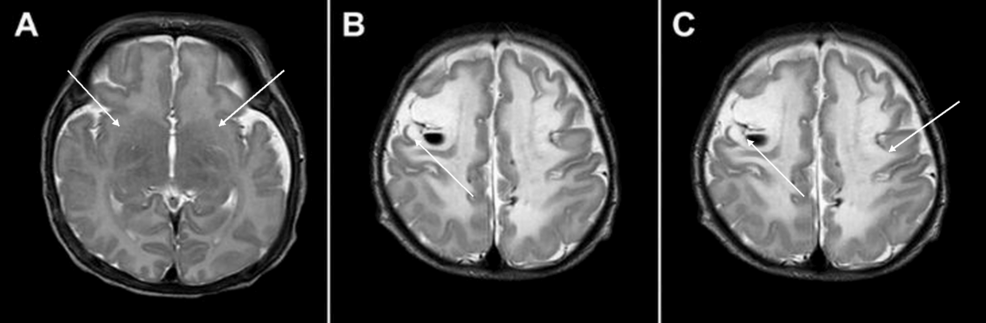
Neurological follow-ups, including periodic brain imaging (MRI or ultrasound) and developmental milestones tracking, are also standard. By integrating the efforts of neonatologists, audiologists, and developmental pediatricians, the long-term impact of the “diagnostic challenge” described in the Cureus report can be managed, improving the quality of life for the affected infant.
