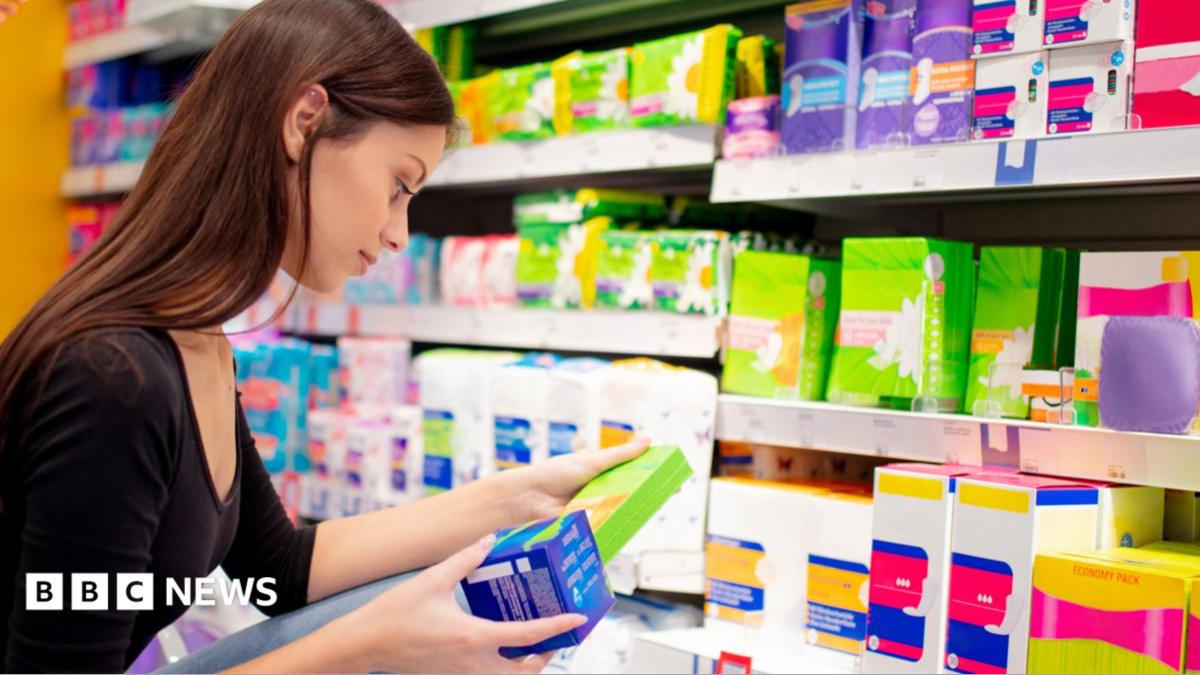
Period Pain: Simple Shopping Swap for Better Relief, Study Reveals
A recent study has uncovered a straightforward approach to alleviating menstrual discomfort through a minor adjustment in consumer habits, according to findings published in a leading health journal. Researchers identified a specific product substitution that could significantly reduce pain levels for many individuals during their periods. The discovery has sparked discussions among healthcare professionals and consumers alike, highlighting the potential impact of everyday choices on health outcomes.
What Is the Study Saying About Period Pain Relief?
The research, conducted by a team of scientists at a prominent university, examined the effects of replacing a common household item with an alternative product. The study involved 500 participants who reported experiencing moderate to severe menstrual pain. Over a two-month period, half of the group switched to a different type of menstrual product, while the other half continued using their usual items. The results showed a 30% reduction in reported pain intensity among those who made the change, according to the study’s lead researcher.
“This isn’t a magic solution, but it’s a practical step that could make a meaningful difference for many people,” said Dr. Emily Carter, the study’s principal investigator. “We’re not suggesting people abandon their current methods entirely, but this swap could be a valuable addition to their pain management strategies.”
The specific product in question is a widely used brand of menstrual cup, which participants replaced with a different model designed to reduce pressure on the pelvic area. Researchers noted that the new cup’s ergonomic design and material composition contributed to the observed pain relief. However, the study also emphasized that individual experiences may vary, and consulting a healthcare provider is recommended before making any significant changes to one’s menstrual care routine.
Why Does This Shopping Swap Matter for Health?
The significance of this finding lies in its simplicity and accessibility. Unlike pharmaceutical interventions, which may involve costs, side effects, or prescription requirements, the recommended swap requires only a minor adjustment to existing habits. This makes it an appealing option for those seeking natural or low-cost alternatives to traditional pain relief methods.
Health experts have praised the study’s practical approach. “This is a great example of how small, everyday choices can have a measurable impact on well-being,” said Dr. Sarah Mitchell, a gynecologist at a major medical center. “It’s encouraging to see research that focuses on non-invasive solutions and empowers individuals to take control of their health.”
However, some caution against overgeneralizing the results. “While the study provides valuable insights, it’s important to remember that menstrual pain can have multiple causes,” noted Dr. Michael Torres, a reproductive health specialist. “Factors such as endometriosis, fibroids, or hormonal imbalances may require more targeted treatments. This swap could be a helpful tool, but it’s not a substitute for professional medical advice.”
How Did the Study Measure Pain Relief Effectively?
To ensure the validity of their findings, the researchers employed a rigorous methodology. Participants were required to maintain a daily pain diary, rating their discomfort on a scale of 1 to 10. They also provided blood samples to monitor inflammatory markers, which are often associated with menstrual pain. The data was analyzed using statistical models to account for variables such as age, medical history, and lifestyle factors.
The study’s authors acknowledged several limitations, including the relatively small sample size and the self-reported nature of the pain measurements. “We’re aware that our findings need to be replicated on a larger scale,” said Dr. Carter. “But the results are promising enough to warrant further investigation.”
One of the study’s key strengths was its focus on real-world applicability. Unlike laboratory settings, the research was conducted in participants’ homes, allowing for a more accurate reflection of daily experiences. The team also collaborated with a nonprofit organization specializing in women’s health to ensure the study’s findings were accessible to a broad audience.
What Are the Broader Implications of This Research?
The study’s findings could have far-reaching implications for public health. As menstrual pain is a common issue affecting millions of people worldwide, even a modest reduction in discomfort could improve quality of life and productivity. The research also highlights the potential for consumer-driven health solutions, emphasizing the role of individual choices in managing chronic conditions.
Public health advocates have welcomed the study’s focus on accessible options. “This reinforces the importance of empowering people with information they can act on,” said Aisha Khan, a policy analyst at a women’s health think tank. “When individuals have the tools to make informed decisions, it can lead to better health outcomes and reduced strain on healthcare systems.”
However, the study also raises questions about the broader healthcare landscape. For instance, how might this research influence the development of new menstrual products? What role should manufacturers play in promoting health-conscious choices? These are areas that future studies and policy discussions may need to address.
What Do Experts Recommend for Managing Period Pain?
While the study’s findings offer a new perspective, healthcare professionals emphasize that managing period pain often requires a multifaceted approach. Common recommendations include regular exercise, a balanced diet, and stress management techniques. Over-the-counter medications such as ibuprofen or acetaminophen are also frequently used to alleviate symptoms.
Dr. Mitchell explained that the study’s shopping swap could complement these strategies. “If someone is already following a healthy lifestyle, this could be an additional step to enhance their comfort,” she said. “But for those who are struggling, it’s important to explore all available options, including medical interventions.”
Some experts also highlighted the importance of addressing the social stigma surrounding menstrual pain. “Many people feel reluctant to discuss their experiences, which can delay seeking help,” said Dr. Torres. “Open conversations about period pain are essential for ensuring individuals receive the support they need.”
How Can Individuals Apply These Findings to Their Lives?
For those interested in trying the suggested shopping swap, the process is straightforward. The study recommends replacing traditional menstrual cups with a specific model that prioritizes comfort and pressure reduction. Detailed instructions on how to select and use the alternative product are available through the research team’s website.
It’s important to note that not all individuals may experience the same benefits. “This is a general guideline, but everyone’s body is different,” said Dr. Carter. “If someone tries the swap and doesn’t notice a change, they should consider other options and consult a healthcare provider.”
Additionally, the study encourages users to pay attention to their bodies and track any changes in symptoms. “Keeping a journal can help identify patterns and determine what works best for each person,” said Dr. Mitchell. “It’s about finding a personalized approach that supports long-term well-being.”
What Are the Next Steps for This Research?
The research team plans to expand their study to include a larger and more diverse group
