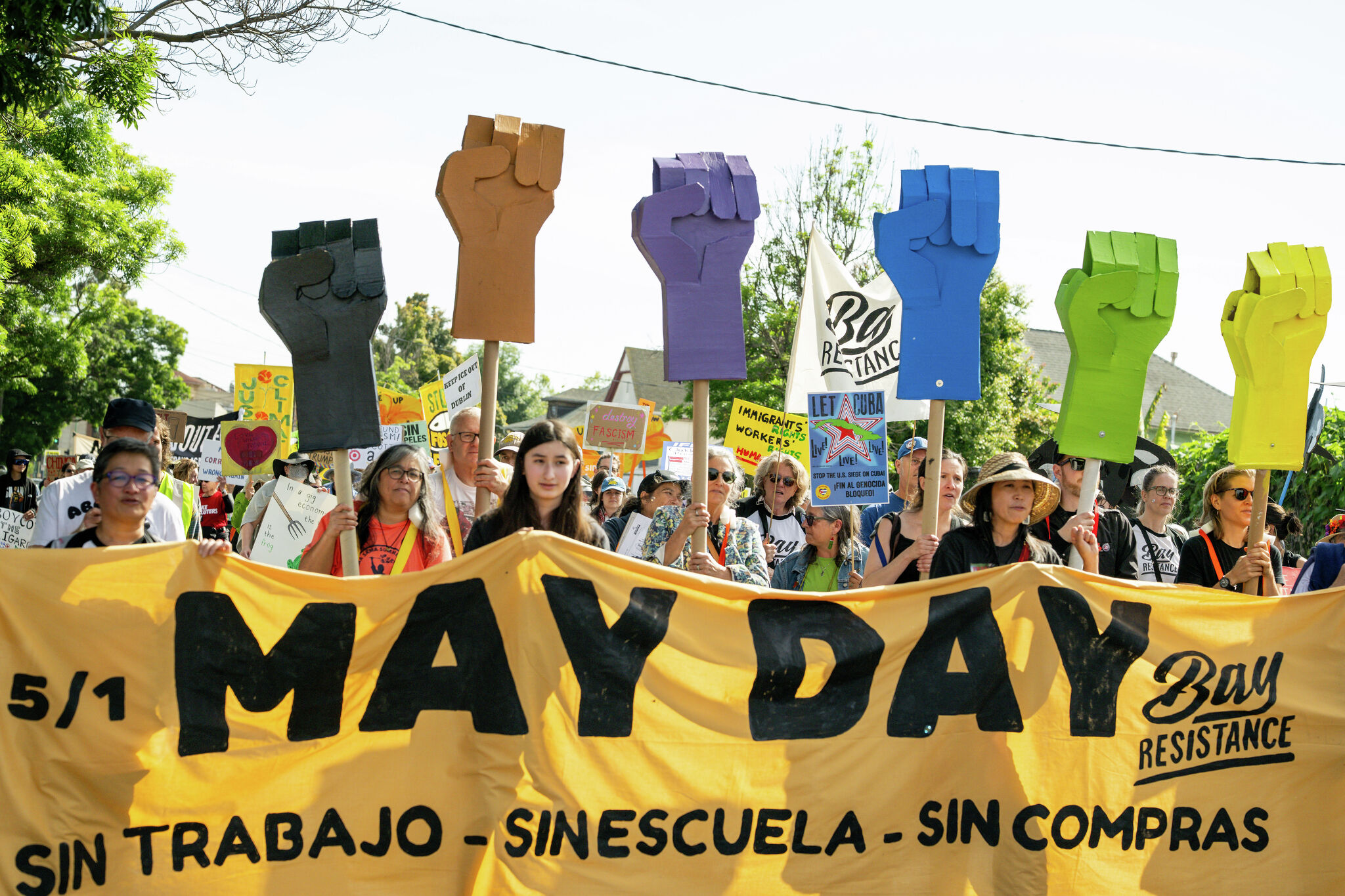
S.F. Supervisors, State Senator Arrested as May Day Protest Closes SFO Roadway
A high-profile act of civil disobedience at San Francisco International Airport (SFO) culminated in the arrest of several prominent elected officials, including members of the San Francisco Board of Supervisors and a California state senator. The incident occurred during a series of May Day demonstrations focused on immigrant rights and the cessation of ICE (Immigration and Customs Enforcement) activities, leading to significant traffic disruptions at one of the West Coast’s busiest aviation hubs.
The arrests were part of a broader wave of May Day activism across the Bay Area, where protesters sought to draw attention to the plight of undocumented immigrants and the perceived cruelty of federal deportation policies. By obstructing a critical artery of the airport’s infrastructure, the demonstrators aimed to create a visible, unavoidable disruption that would force a public conversation on immigration enforcement.
The Shutdown of SFO’s International Terminal Roadway
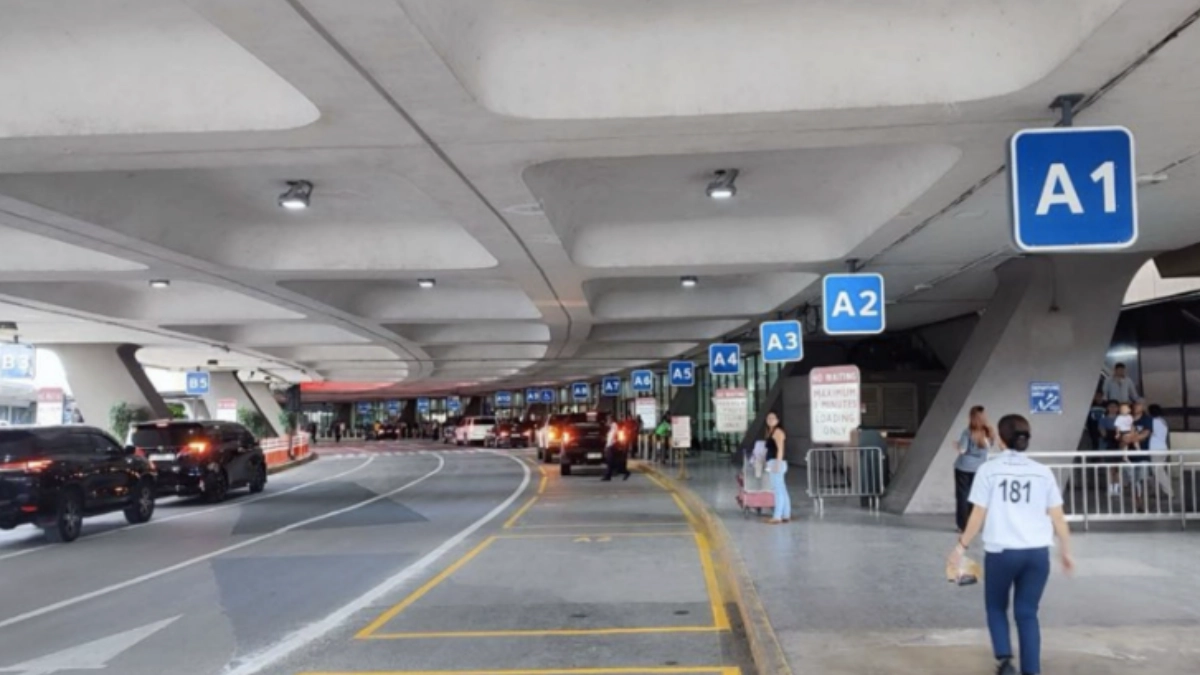
The focal point of the disruption was the departure-level roadway at SFO’s International Terminal. Protesters converged on the area, effectively blocking the flow of traffic and preventing travelers from accessing the terminal. This strategic choice of location was designed to maximize visibility and impact, as the International Terminal serves as a primary gateway for global travel and a symbolic site for the movement of people across borders.
Law enforcement officials responded to the scene as the roadway became impassable. Despite warnings to clear the area, a group of demonstrators remained in the roadway, utilizing a sit-in tactic to maintain the blockade. The resulting gridlock affected hundreds of passengers and airport staff, creating a logistical challenge for SFO operations during a peak travel period.
Key Incident Details:
- Location: Departure level roadway, SFO International Terminal.
- Primary Tactic: Roadway blockade and sit-in.
- Immediate Impact: Total closure of the affected roadway, causing significant traffic delays.
- Law Enforcement Action: Multiple arrests were made to clear the roadway and restore traffic flow.
Elected Officials and the Scope of Arrests
The most striking aspect of the protest was the participation of sitting and former government officials. The decision by elected representatives to face arrest is a calculated political move, intended to signal that the issues—in this case, the actions of ICE—are of such urgency that they supersede the typical boundaries of legislative conduct.
Reports indicate that 25 individuals were arrested during the SFO action. Among those taken into custody were current San Francisco supervisors, former supervisors, and a California state senator. While the specific names of all officials are often processed through standard booking procedures, their presence transformed a standard protest into a significant political event.
| Category | Details |
|---|---|
| Total Arrests | 25 individuals |
| High-Profile Detainees | Current and former S.F. Supervisors, one State Senator |
| Primary Charge | Obstructing a roadway/Civil disobedience |
| Protest Theme | Anti-ICE / Immigrant Rights |
The Political Context: May Day and Anti-ICE Sentiment
May Day, traditionally International Workers’ Day, has evolved in the United States into a dual celebration of labor rights and a day of action for immigrant rights. The protests at SFO were not isolated; they were part of a coordinated effort to challenge the federal government’s immigration enforcement strategies.
The Role of ICE in Local Activism
The focus on ICE is rooted in the long-standing tension between federal immigration mandates and the “sanctuary” policies adopted by cities like San Francisco. Activists argue that ICE operations create a climate of fear in immigrant communities, leading to the separation of families and the deportation of long-term residents who have integrated into the local economy and social fabric.
Civil Disobedience as a Tool
The apply of civil disobedience—intentionally breaking a law to highlight a perceived greater injustice—is a hallmark of the immigrant rights movement in the Bay Area. By choosing a high-security environment like an international airport, the protesters highlighted the irony of a facility that facilitates global movement while the federal government restricts it for others through deportation.
Wider Disruptions Across the Bay Area
While the SFO arrests captured the most headlines due to the status of the detainees, the May Day disruptions were widespread. Similar actions were reported across the region, reflecting a coordinated strategy to disrupt “business as usual” to force a political reckoning.
- Urban Arteries: Protesters blocked several major city streets in San Francisco and Oakland, creating roving demonstrations that shifted locations to avoid immediate containment.
- Airport Infrastructure: Beyond the International Terminal roadway, other access points and perimeter areas of Bay Area airports saw increased activity and intermittent closures.
- Public Transit: Some demonstrations overlapped with transit hubs, causing minor delays for commuters and travelers.
Implications and Legal Aftermath
The arrest of elected officials raises complex questions regarding the intersection of law, governance, and political expression. From a legal standpoint, the officials are subject to the same statutes as any other citizen who obstructs a public roadway. However, the political fallout often differs.
Legal Consequences
Most participants in these types of protests are charged with misdemeanors, such as failure to disperse or obstructing a thoroughfare. In many cases, these charges are eventually dropped or reduced to small fines, especially when the arrests are viewed as non-violent political expressions.
Political Fallout
For the supervisors and the state senator, these arrests can be viewed through two opposing lenses:
- As Moral Leadership: Supporters view the arrests as a courageous act of solidarity with marginalized communities, proving that the officials are willing to share the risks faced by the people they represent.
- As Irresponsible Conduct: Critics argue that elected officials should lead by example in upholding the law and that disrupting critical infrastructure like an airport is an unacceptable method of protest that endangers public safety and inconveniences thousands.
Common Misconceptions About the SFO Protest
In the wake of the event, several narratives emerged that require factual clarification to ensure a balanced understanding of the incident.
Misconception: The protest was a spontaneous gathering.
Correction: The SFO action was a planned part of the May Day coordinated protests. The timing and location were selected specifically for their symbolic value and their ability to cause a visible disruption.
Misconception: The airport was completely shut down.
Correction: While the departure-level roadway at the International Terminal was closed, flight operations and other airport access points remained functional. The disruption was significant to ground traffic but did not halt all airport activity.
Misconception: The officials were arrested for their political views.
Correction: The arrests were the result of the physical act of blocking a roadway, which is a violation of traffic and safety laws, regardless of the motivation behind the act.
Frequently Asked Questions
Who were the elected officials arrested at SFO?
The group included current and former members of the San Francisco Board of Supervisors and one California state senator. They were arrested as part of a larger group of 25 protesters during the May Day anti-ICE demonstration.
Why did protesters choose SFO’s International Terminal?
The International Terminal is a symbolic site for the movement of people across borders. By blocking the departure roadway, protesters aimed to highlight the contradictions between global travel and the restrictive, often punitive, nature of ICE immigration enforcement.
What were the primary demands of the May Day protesters?
The protesters were calling for an end to ICE deportation activities, the protection of immigrant rights, and a shift toward more humane immigration policies that prevent the separation of families.
How did the airport respond to the roadway closure?
SFO coordinated with law enforcement to clear the roadway. Once the 25 individuals were arrested and removed, traffic flow was restored to the departure level of the International Terminal.
Is this the first time S.F. Officials have been arrested at protests?
No. San Francisco has a long history of political activism, and it is not uncommon for local officials to participate in civil disobedience actions to signal their support for specific social or political causes.
The events at SFO serve as a potent reminder of the ongoing tensions surrounding immigration policy in the United States. As federal and local governments continue to clash over the implementation of sanctuary policies and deportation mandates, the use of high-visibility disruptions is likely to remain a primary tool for activists and their political allies. The legal proceedings following these arrests will likely be minimal, but the symbolic impact of elected officials in handcuffs continues to resonate within the city’s political landscape.
