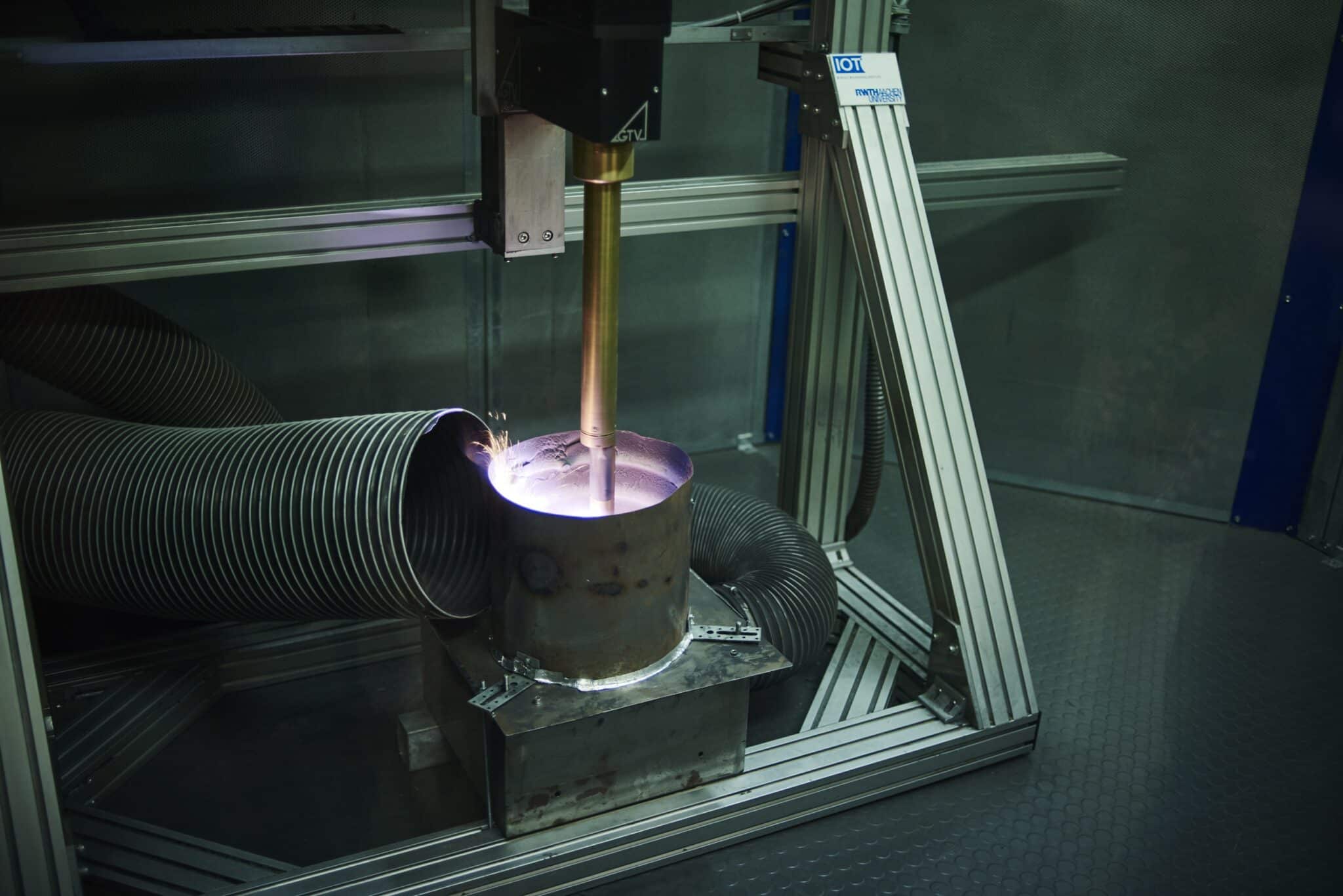
South Korean researchers have developed a method to convert used coffee grounds into a high-quality biochar fuel comparable to coal in 90 seconds. According to reports from Notebookcheck and El Confidencial, the process utilizes a plasma reactor reaching temperatures of approximately 900 °C to transform organic waste into a viable energy alternative.
- Conversion Time: 90 seconds
- Operating Temperature: 899 °C to 900 °C
- Technology: Plasma reactor
- Input Material: Spent coffee grounds
- Output: High-quality biochar/coal alternative
How the plasma conversion process works
The technique involves exposing ground coffee waste to a plasma flame. According to Autonocion, the specific temperature required for this transformation is 899 °C, while other reports from OkDiario and El Confidencial round this figure to 900 °C. This extreme heat triggers a rapid chemical change, stripping the organic waste of its volatile components and leaving behind a carbon-rich material known as biochar.
The speed of the reaction is a primary technical highlight. While traditional carbonization processes can take hours or days, this plasma-based method achieves a fuel-grade result in only 90 seconds, according to La República.
Economic implications for waste and energy markets
This development shifts the economic status of coffee grounds from a waste disposal cost to a potential feedstock for energy production. By converting a ubiquitous urban waste stream into a high-density fuel, the process creates a circular economy model for the food and beverage industry.
The timing of the discovery aligns with global shifts away from traditional mining. Local media reports note the contrast with countries like Spain, where coal mines have been prohibited, increasing the demand for synthetic or biological alternatives that do not require destructive extraction processes.
Comparing biochar to traditional coal
The resulting material is described across multiple sources as a “coal alternative” or “fuel of high quality.” Unlike traditional coal, which relies on geological timescales and mining, this biochar is produced instantaneously from recycled organic matter.
According to Notebookcheck, the resulting fuel is comparable to coal in its energy properties, providing a carbon-neutral or carbon-negative potential depending on how the coffee grounds were sourced and how the plasma reactor is powered.
