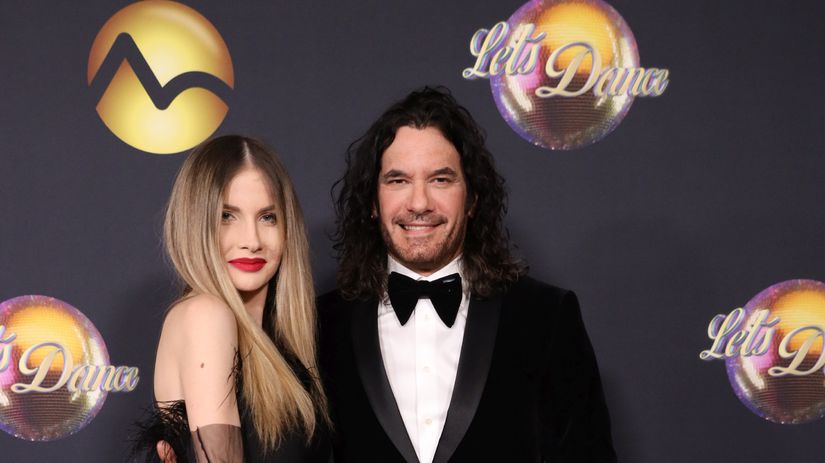
Slovak media reports have exposed a high-profile domestic abuse case involving Bronislav Greguš, a former Let’s Dance contestant and model Maria Cimarra, raising questions about workplace safety in entertainment and the broader economic impact of such scandals on talent retention.
The allegations, which Greguš has denied, include physical and verbal abuse during his participation in the Slovak version of Let’s Dance and subsequent public appearances. According to local media reports, Cimarra has described the relationship as a “hell” and detailed incidents of hair-pulling and emotional manipulation. Greguš, in a statement to feminity.zoznam.sk, described the claims as “unfounded” and accused Cimarra of seeking attention.
Why This Case Could Reshape Entertainment Industry Labor Standards
The scandal has triggered a wave of public scrutiny over workplace protections in Slovakia’s entertainment sector, where talent agencies and production companies operate with limited transparency on labor practices. While no financial figures have been disclosed, the fallout could force industry players to reevaluate their policies on harassment and abuse, potentially increasing operational costs for smaller producers.
In a statement to Eva.sk, Cimarra’s legal team emphasized the need for stricter contracts and mandatory training for cast members, citing a 2022 survey by the Slovak Ministry of Labor that found 34% of entertainment workers reported experiencing workplace harassment. The case also highlights a broader trend in Europe, where scandals involving public figures often lead to regulatory reviews—such as Germany’s 2023 reforms tightening protections for gig workers in media.
How the Fallout Could Affect Media Companies and Talent Agencies
Production companies like Joyfilm, which oversees Let’s Dance, could face reputational damage if the allegations are substantiated. While no direct financial penalties have been announced, similar cases in the U.S. and UK have led to lawsuits and settlements exceeding €1 million. For smaller agencies, the legal and PR costs of such disputes can be crippling, often forcing layoffs or restructuring.
Greguš, who has a net worth estimated at €500,000 based on his modeling and television career, could also see a decline in endorsement deals. According to Diva.sk, brands have already begun distancing themselves from him, with one unnamed cosmetics company terminating a €20,000 contract after the allegations surfaced.
What Happens Next: Legal and Industry Reactions
The case is now under investigation by Slovak police, with no arrest warrants issued as of this writing. If charges are filed, the legal process could drag on for months, during which time Greguš’s career—and potentially Cimarra’s—remains in limbo. Industry observers warn that without clear legal consequences, similar incidents may continue to go unreported.
Meanwhile, talent agencies are reportedly reviewing their contracts to include clauses mandating third-party mediation for disputes. One unnamed agency executive told PravdaRozprávka, “We can’t afford another scandal like this. The cost of lawsuits alone would bankrupt half our clients.”
For viewers and industry workers, the case serves as a reminder of the unregulated risks in Slovakia’s entertainment sector—a market valued at €120 million annually, according to the Slovak Film Institute. As public pressure mounts, the question remains: Will this scandal force real change, or will it fade into another footnote in the industry’s history?
