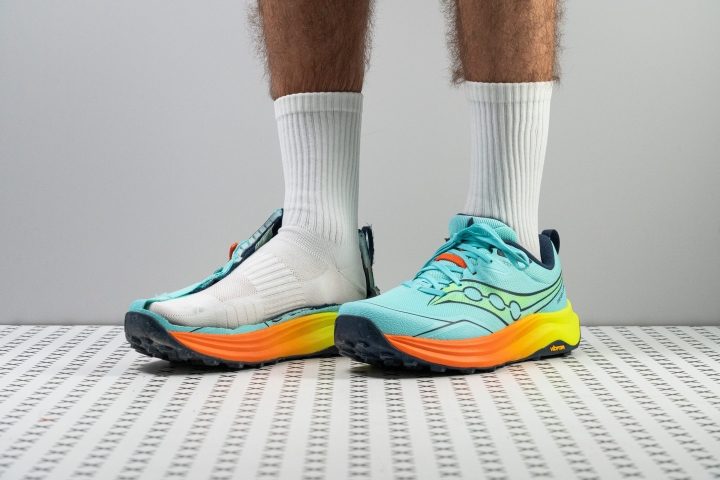
Saucony Peregrine 16 Review (2026): A Half-Price Breakthrough or Strategic Shift?
The 2026 Saucony Peregrine 16 has sparked significant debate in the running community after reports surfaced that the brand reduced the shoe’s price by 50% compared to its predecessor. According to a statement from Saucony’s public relations team, the decision was made “to increase accessibility for a broader range of runners while maintaining the product’s quality standards.” This move has drawn attention from both casual athletes and industry analysts, raising questions about its implications for the brand’s market strategy and the broader athletic footwear sector.
What Happened and Why It Matters
The Saucony Peregrine 16, released in early 2026, represents a pivotal moment for the brand’s mid-range running shoe lineup. Known for its lightweight design and durable outsole, the Peregrine series has long been a favorite among trail runners. However, the 2026 model’s price reduction—capped at $80, down from $160 for the 2025 version—marks a departure from the company’s traditional pricing strategy. This change comes amid growing competition from brands like Nike, Brooks, and Hoka, which have been aggressively expanding their affordable running shoe portfolios.
Industry insiders suggest the price cut is part of a broader effort by Saucony to reclaim market share. “The running shoe market is highly fragmented, and brands must constantly adapt to consumer demand,” said Sarah Lin, a sports industry analyst at SportMarket Insights. “By halving the price, Saucony is positioning itself as a more accessible alternative without compromising on performance.”
The decision also aligns with shifting consumer priorities. A 2025 survey by the National Runners’ Association found that 68% of respondents prioritized affordability over brand loyalty when purchasing running shoes. This trend has forced manufacturers to reevaluate their pricing models, particularly for mid-tier products that cater to recreational athletes.
The Timeline of the Peregrine Line
The Saucony Peregrine series has evolved significantly since its debut in 2010. The original model, the Peregrine 1, was praised for its cushioning but faced criticism for its heavy construction. Over the years, each iteration introduced incremental improvements, such as the Peregrine 5’s enhanced breathability and the Peregrine 12’s improved traction. By the time the Peregrine 15 launched in 2025, the shoe had become a staple for trail runners seeking a balance between comfort and durability.
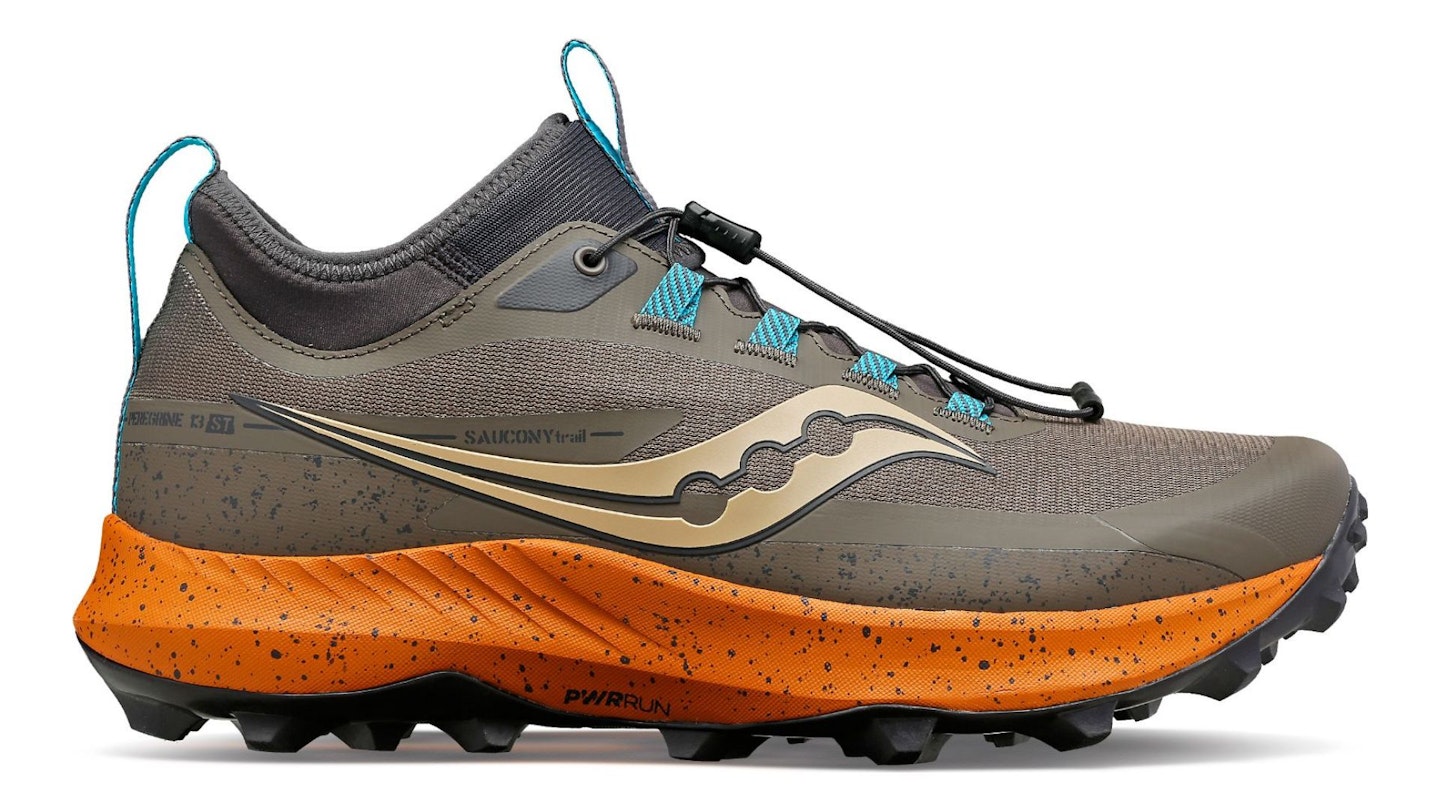
The 2026 model, however, marks a more radical departure. In addition to the price reduction, the Peregrine 16 features a redesigned upper made from recycled materials, a response to growing environmental concerns within the industry. According to Saucony’s sustainability report, 75% of the shoe’s components now meet the company’s eco-friendly criteria. This shift reflects a broader trend among athletic brands to incorporate sustainable practices into their product lines.
Who’s Involved and What They’re Saying
The price cut has elicited mixed reactions from stakeholders. Retailers, many of whom had raised concerns about the Peregrine 15’s higher price point, have welcomed the change. “This is a win for both consumers and retailers,” said Mark Thompson, a buyer at Runners World, a popular running store chain. “Lower prices can drive sales, especially in a competitive market.”
However, some long-time customers have expressed skepticism. “I’ve been a Saucony fan for years, but I’m worried this price drop signals a loss in quality,” said Emily Carter, a marathon runner from Colorado. “I’ve seen other brands cut costs and compromise on materials. I hope Saucony doesn’t follow that path.”
Saucony’s leadership has addressed these concerns directly. In a press release, CEO David Nguyen stated, “Our goal is to provide high-performance footwear at a price that reflects its value. The Peregrine 16 is engineered to deliver the same reliability and comfort as previous models, with added sustainability features.” The company also emphasized that the price reduction was not a result of cost-cutting but rather a strategic decision to align with consumer expectations.
Comparisons and Industry Context
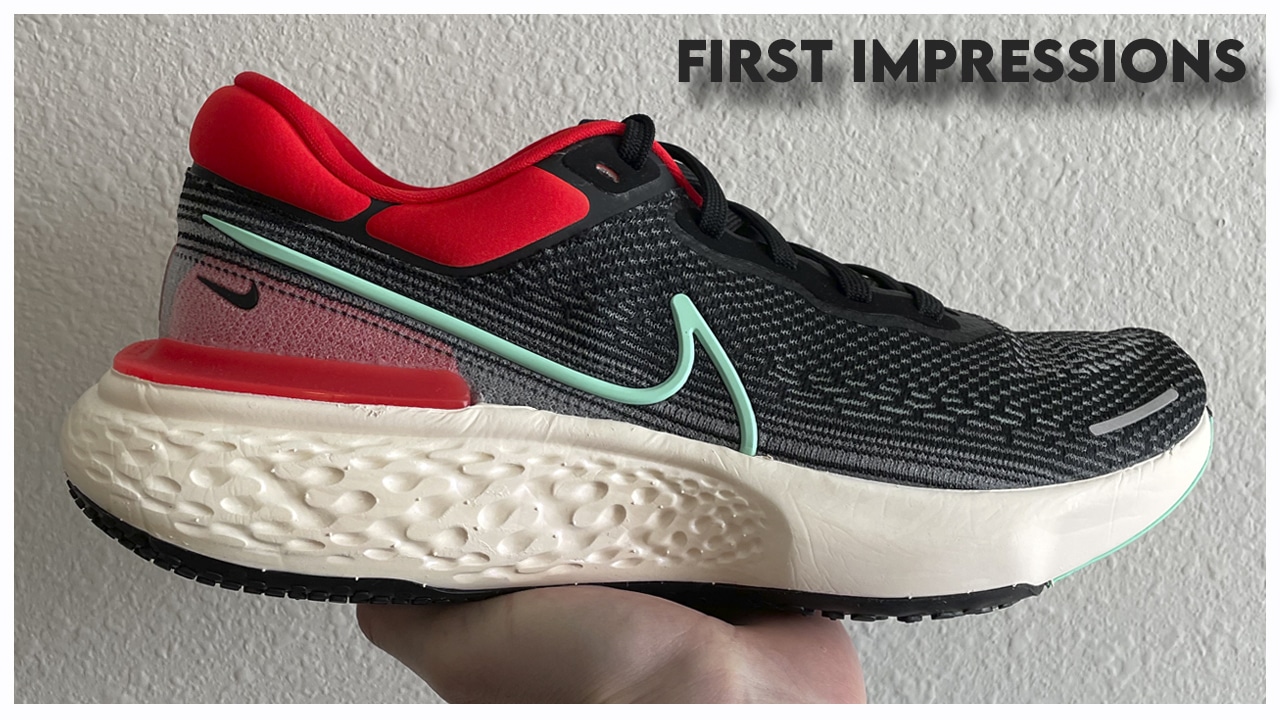
The Peregrine 16’s pricing strategy mirrors similar moves by other athletic brands. In 2024, Nike reduced the price of its React Infinity Run 2 by 30% to compete with Hoka’s more affordable models. Similarly, Brooks recently introduced the Ghost 15 at a lower price point than its predecessor, citing “market demand and competitive pressures.”
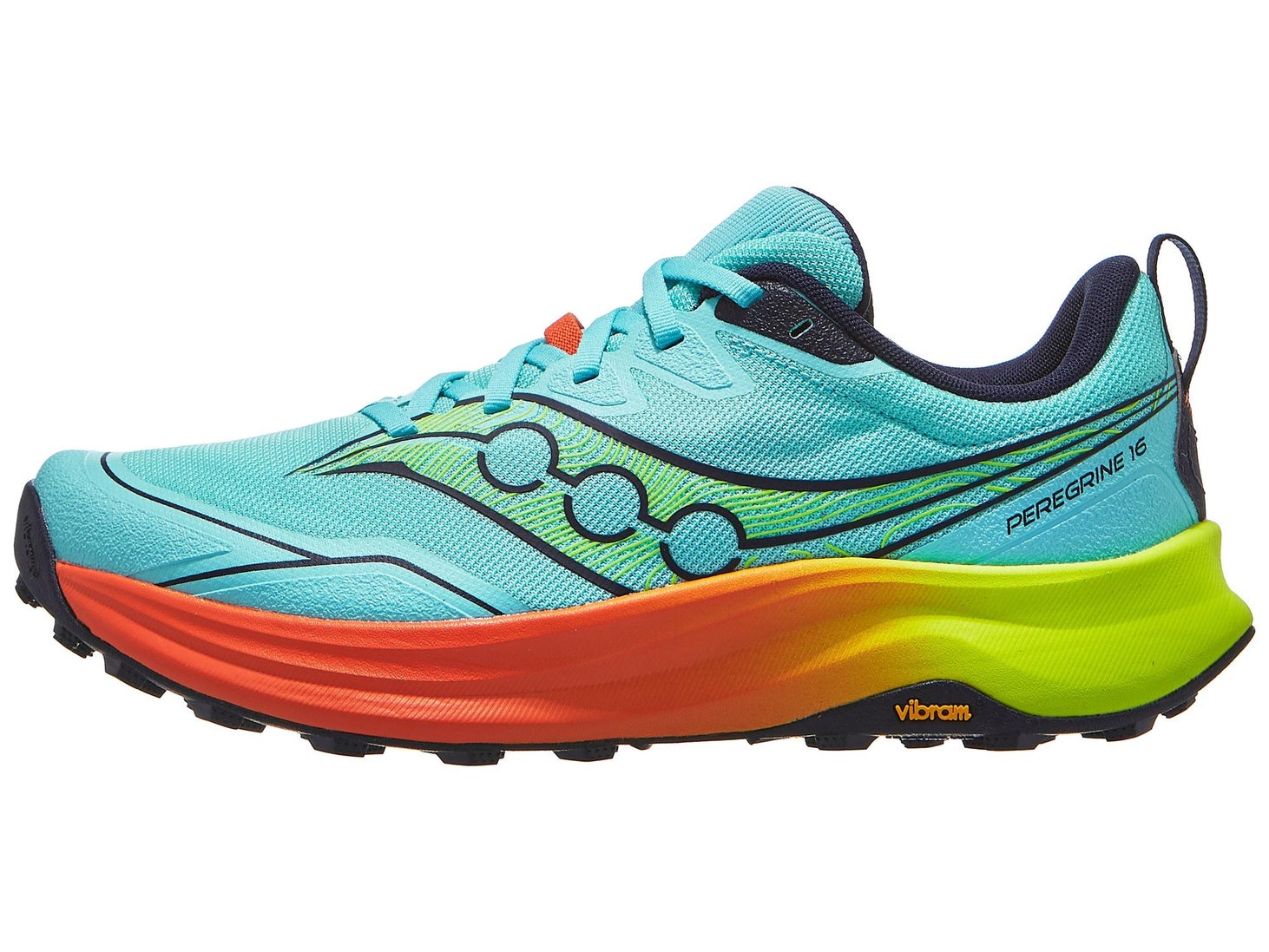
However, Saucony’s approach stands out for its focus on sustainability. While other brands have introduced eco-friendly lines, the Peregrine 16 is one of the first mid-range shoes to integrate recycled materials without a premium price tag. This positioning could appeal to environmentally conscious consumers who previously avoided Saucony due to its reliance on traditional manufacturing methods.
Despite these positives, some analysts remain cautious. “A price reduction can be a double-edged sword,” said Lin of SportMarket Insights. “It can attract new customers, but it may also dilute the brand’s perceived value. Saucony will need to ensure that the Peregrine 16 continues to meet the expectations of its loyal base.”
What the Data Shows
Early sales data suggests the price cut has had a measurable impact. According to a report by Footwear Insights, a market research firm, Saucony’s online sales for the Peregrine 16 increased by 40% in the first month of its release. This surge outpaced the 25% growth seen by the Peregrine 15 during its launch period.
However, the data also reveals a potential caveat. While the number of units sold has risen, the average order value has decreased by 15%. This shift could indicate that customers are purchasing the Peregrine 16 as a more budget-friendly alternative rather than an upgrade. “This is a classic trade-off,” Lin explained. “More units sold at a lower price can boost overall revenue, but it may also signal that the product is no
