
Sarpreet Singh Proud to Pave the Way for Sikh Footballers at World Cup
New Zealand international Sarpreet Singh has stated he is proud to pave the way for Sikh footballers at the World Cup, viewing his visibility on the global stage as a catalyst for future athletes from the Sikh community. According to reports from 1News and Reuters, Singh aims to use his professional platform to break cultural barriers and inspire minority athletes to maintain their religious identity while competing in elite football.
Why Sarpreet Singh’s Representation Matters for Sikh Athletes
The presence of a Sikh player in high-profile international football is more than a sporting achievement; it is a visibility milestone. For many in the Sikh community, the turban (Dastar) and other articles of faith are central to their identity. In a sport as globally watched as football, seeing a player like Sarpreet Singh represent New Zealand on a world stage signals that religious observance and professional athletic success are not mutually exclusive.
According to reports, Singh believes his journey serves as a blueprint for young players who may have previously felt that their faith or appearance could be a hindrance to reaching the top tier of the game. By competing at the highest level, Singh provides a tangible example of success, effectively reducing the perceived gap between a minority youth’s aspirations and the reality of professional sports.
Key impacts of this representation include:
- Normalization: Integrating Sikh identity into the visual landscape of international football.
- Psychological Empowerment: Providing “proof of concept” for young Sikh athletes in New Zealand and globally.
- Cultural Dialogue: Prompting conversations about inclusivity and religious accommodation within sports governing bodies.
The Career Path of Sarpreet Singh
Sarpreet Singh’s ascent to the New Zealand national team followed a trajectory of rigorous development and international experience. His career has been marked by a willingness to move across borders to find the right competitive environment, a move that has sharpened his technical ability and mental resilience.

Singh’s time in European football provided the necessary exposure to elite tactical systems. This experience allowed him to return to the New Zealand setup not just as a talented player, but as a seasoned professional capable of influencing games at the international level. His ability to operate in midfield, combining vision with technical precision, has made him a cornerstone of the All Whites’ strategy.
The transition from youth academies to the senior national team is often where minority athletes face the most significant cultural hurdles. Singh’s success suggests a shift in how New Zealand football identifies and supports talent, moving toward a more inclusive model that values both athletic output and cultural heritage.
Breaking Cultural Barriers in Professional Football
Professional football has historically been slow to adapt to religious requirements, often prioritizing kit uniformity over individual faith practices. While other sports have seen more integration of the turban—most notably in cricket and field hockey—football has remained a frontier for such visibility.
Singh’s pride in “blazing a trail,” as noted by Reuters, refers to the quiet but persistent challenge of maintaining one’s identity in an environment that often demands conformity. The act of playing at a World Cup level while identifying strongly as a Sikh challenges the traditional image of the “global footballer.”
The challenges often faced by Sikh athletes in football include:
- Equipment and Gear: Navigating regulations regarding headwear and safety.
- Stereotyping: Overcoming preconceived notions about the compatibility of faith and high-performance athletics.
- Isolation: Being the “first” or “only” person of a specific faith in a locker room.
By occupying this space, Singh shifts the narrative from one of “accommodation” to one of “contribution,” where his identity is a part of his strength rather than a detail to be managed.
Comparing Sikh Representation Across Global Sports
To understand the significance of Singh’s impact on football, it is helpful to compare the visibility of Sikh athletes across different sporting disciplines. While football is a late adopter, other sports have established a stronger precedent for Sikh representation.
| Sport | Level of Sikh Representation | Key Precedents/Drivers |
|---|---|---|
| Cricket | High | Strong cultural ties in India, England, and Australia; widespread acceptance of turbans. |
| Field Hockey | Very High | Deep historical roots in the Punjabi community; dominant presence in international competitions. |
| Football | Emerging | Increasingly diverse squads in Europe and Oceania; trailblazers like Sarpreet Singh. |
| Athletics | Moderate | Individual-based sport allows for greater flexibility in religious attire. |
The contrast shows that while the “trail” has been well-trodden in cricket and hockey, football’s global reach makes Singh’s role particularly influential. A World Cup audience is significantly larger and more diverse than that of almost any other sporting event, amplifying the message of inclusivity.
The ‘See It to Be It’ Effect on Youth Football
Sports psychologists often refer to the “see it to be it” phenomenon, where the visibility of a role model directly correlates with the aspirations of marginalized youth. For a young Sikh child in Auckland, Wellington, or beyond, seeing Sarpreet Singh in a New Zealand kit on a world stage changes the internal calculation of what is possible.
This effect operates on several levels:
- Validation: It validates the athlete’s identity, telling them they do not have to choose between their faith and their sport.
- Confidence: It removes the fear of being “the only one,” reducing the anxiety associated with cultural difference.
- Ambition: It sets a high benchmark for achievement, proving that the pinnacle of the sport is attainable.
According to the narrative surrounding Singh’s contributions, his pride stems from the knowledge that he is not just playing for a result on the scoreboard, but for the perception of an entire community. This adds a layer of responsibility to his performance, transforming a sporting career into a social contribution.
Institutional Support and the Future of Inclusivity
The success of players like Sarpreet Singh is rarely an isolated event. It typically requires a supportive ecosystem within the national football association and the clubs the player represents. New Zealand’s approach to sporting diversity has generally been progressive, but the visibility of Sikh athletes in football highlights the need for continued institutional support.
Future progress in this area likely depends on:
- Policy Clarity: Clear guidelines from FIFA and national bodies regarding religious attire to prevent arbitrary disputes.
- Community Outreach: Targeted programs to encourage children from minority backgrounds to join football academies.
- Cultural Competency: Training for coaches and staff to understand and respect the requirements of athletes from different faith backgrounds.
As more players follow Singh’s lead, the “trailblazer” status will eventually evolve into a standard. The goal, as implied by Singh’s statements to 1News, is a future where a Sikh footballer at the World Cup is seen as a normal occurrence rather than a news story.
Addressing Common Misconceptions About Faith in Sport
There are often misconceptions regarding the intersection of religious practice and professional athletics. Some critics suggest that religious requirements—such as dietary restrictions or prayer times—could interfere with the rigorous demands of a professional training camp. However, the career of Sarpreet Singh demonstrates that these factors can be integrated seamlessly into a high-performance routine.
Another common misconception is that the turban might pose a safety risk or a tactical disadvantage in a contact sport like football. In reality, many athletes across various sports have successfully integrated their religious attire without compromising safety or performance. The primary barriers are often regulatory or social, rather than physical or athletic.
By excelling in the midfield—a position requiring immense stamina, agility, and mental focus—Singh proves that his identity is entirely compatible with the highest physical demands of the sport.
The Long-Term Implications for New Zealand Football
For the New Zealand national team, embracing diversity is not just a social imperative but a strategic advantage. By opening doors to the Sikh community and other minority groups, New Zealand expands its talent pool. The country’s multicultural demographic is a resource that, when fully tapped, can elevate the national team’s competitiveness on the world stage.
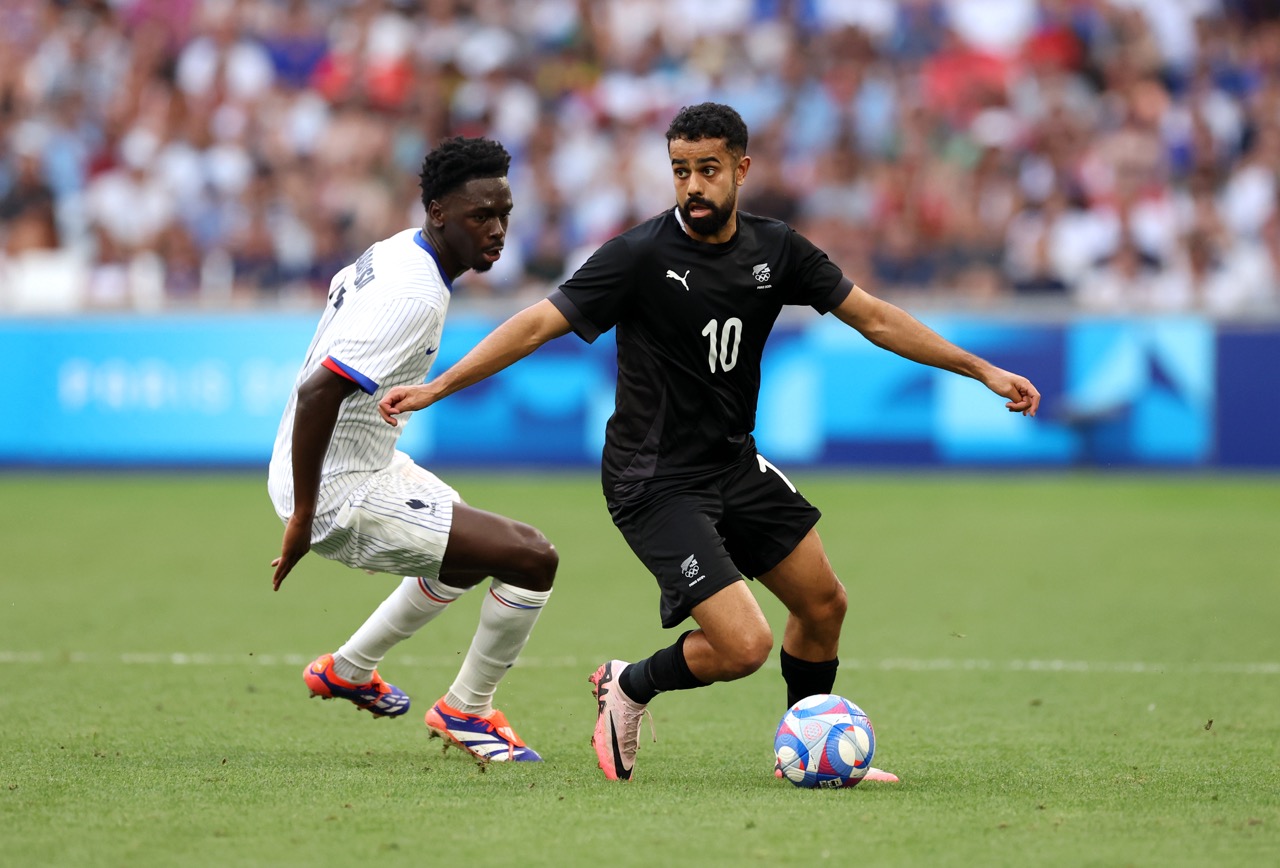
Singh’s role as a pioneer suggests that the “All Whites” are becoming a more accurate reflection of the New Zealand population. This alignment between the national team and the national identity fosters greater community support and increases the sport’s popularity across diverse demographics.
The long-term result may be a surge in participation rates among Sikh youth, leading to a new generation of players who enter the system with the confidence that they are welcome and valued. This creates a virtuous cycle of representation, where each new player makes it easier for the next to emerge.
Frequently Asked Questions
Who is Sarpreet Singh?
Sarpreet Singh is a professional footballer who represents the New Zealand national team. He is recognized not only for his technical skill on the pitch but also for being a prominent Sikh athlete in global football.
Why is Sarpreet Singh considered a trailblazer for Sikh footballers?
He is one of the few high-profile Sikh players to compete at the international level, specifically aiming to inspire others from the Sikh community to reach the World Cup while maintaining their religious identity.
Does the Sikh faith impact a player’s ability to play professional football?
No. As demonstrated by Sarpreet Singh, religious practices and identity are fully compatible with the physical and tactical requirements of elite professional football.
What is the significance of the turban in professional sports?
The turban (Dastar) is a core article of faith in Sikhism. Its visibility in sports like football symbolizes inclusivity and the acceptance of religious diversity in global athletics.
How does representation affect youth sports participation?
Representation creates a “see it to be it” effect, where minority youth are more likely to pursue a sport if they see people who look like them succeeding at the highest levels.
The trajectory of Sarpreet Singh’s career serves as a case study in the power of visibility. By leveraging his position in the New Zealand squad, he is transforming the landscape of the sport, ensuring that the path to the World Cup is open to all, regardless of faith or heritage. The focus now remains on how many more athletes will follow the trail he has helped blaze.
