
Goldman Sachs and Capital Economics have issued updated warnings for the Turkish economy, with Goldman Sachs raising its inflation forecasts and Capital Economics warning that an energy shock could trigger a crisis. These adjustments reflect growing concerns over growth stability and price volatility, according to reports from BloombergHT and T24.
- Goldman Sachs increased its inflation expectations for Turkey.
- Capital Economics issued a growth warning, citing potential instability.
- Analysts at Capital Economics identified energy shocks as a primary trigger for a possible economic crisis.
- Market focus has shifted toward the trajectory of interest rates and the dollar exchange rate.
Why did Goldman Sachs raise Turkey’s inflation forecast?
Goldman Sachs updated its economic outlook for Turkey by revising inflation expectations upward, according to reports from BloombergHT and Halk TV. While the specific percentage increase was not detailed in the summaries, the move indicates the investment bank expects price increases to persist or accelerate beyond previous projections.
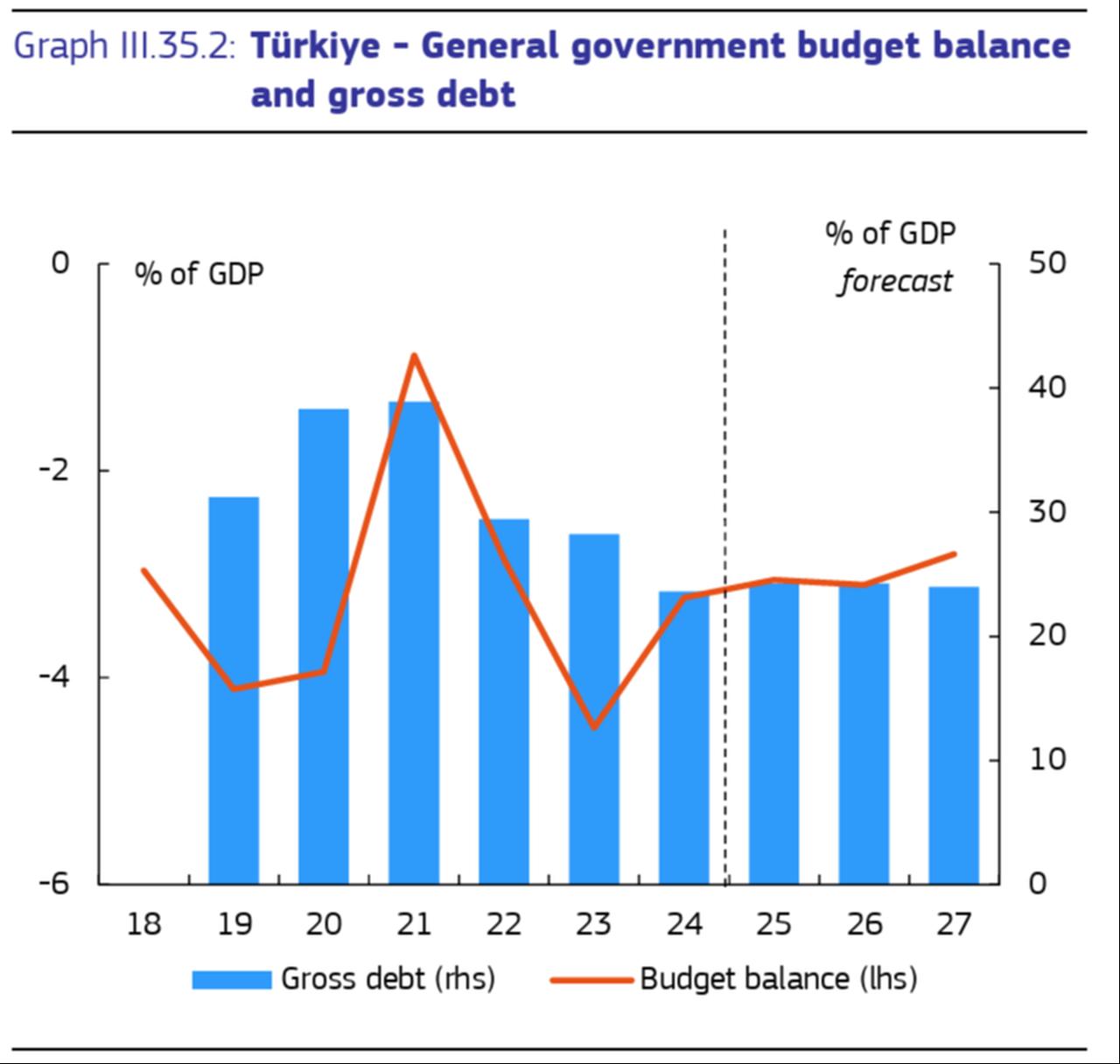
Inflation refers to the rate at which the general level of prices for goods and services rises, eroding purchasing power. For investors and policymakers, a raised forecast often suggests that current monetary policies may not be sufficient to cool the economy, potentially putting pressure on the central bank to maintain or increase interest rates.
How could an energy shock impact Turkish growth?
Capital Economics has warned that Turkey’s economic growth is under threat, specifically noting that an energy shock could trigger a wider crisis, according to T24. The firm’s analysis suggests that the economy is vulnerable to sudden spikes in energy costs, which can drive up production expenses for businesses and increase costs for consumers.
This vulnerability creates a ripple effect: higher energy prices typically feed into overall inflation, which can dampen consumer spending and reduce industrial output. This sequence is what Capital Economics identifies as a potential catalyst for an economic downturn.
What is the outlook for interest rates and the dollar?
Market analysts are closely monitoring the relationship between interest rates and the exchange rate of the U.S. dollar against the Turkish lira. According to reports from Dünya Gazetesi and Borsanın Gündemi, foreign institutional analysts are evaluating how these two factors will interact to stabilize or destabilize the economy.
In economic terms, interest rates are used as a tool to combat inflation; higher rates typically attract foreign investment and can support the local currency. Analysts are currently weighing whether current rate levels are sufficient to offset the inflation risks highlighted by Goldman Sachs and the growth risks flagged by Capital Economics.
