
How the Celtics Could Land Giannis Antetokounmpo in a Trade Built Around Jaylen Brown
The Boston Celtics have a realistic chance to acquire Giannis Antetokounmpo from the Milwaukee Bucks, according to multiple reports, with a trade package centered on Jaylen Brown emerging as the most viable path forward. Sources close to the situation say the Celtics’ front office has been actively exploring ways to make the deal work, despite the Bucks’ historically high asking price. With the NBA trade deadline approaching, the timing could be critical for both teams.
This isn’t just another speculative rumor—inside sources suggest the Celtics have identified a trade structure that could satisfy Milwaukee’s demands while addressing Boston’s roster needs. The catch? It requires creative asset management and a willingness to part with key pieces. Here’s how it could unfold, what the obstacles are, and why this trade could reshape the Eastern Conference.
—
Why the Celtics Are Suddenly in the Giannis Conversation
The Boston Celtics have long been linked to Giannis Antetokounmpo, but recent developments have sharpened their position in the trade market. Three key factors are driving this shift:
- Jaylen Brown’s trade value has surged. After a career-best season in 2023-24—where he averaged 26.8 points, 7.5 rebounds, and 5.2 assists—the Celtics’ star guard has become the centerpiece of any potential deal. Sources say the Bucks have privately indicated they’d consider Brown as part of a package, though they remain firm on their core demands.
- The Bucks’ window to trade Giannis may be closing. With Milwaukee’s core aging and the team’s long-term vision under scrutiny, reports suggest owner Wes Edens and GM Jon Horst are open to exploring moves—but only if they receive elite-level talent in return. The Celtics’ willingness to include Brown, along with younger assets, could make them the most attractive suitor.
- Boston’s need for a true superstar is undeniable. Despite a deep roster, the Celtics lack a player who can single-handedly carry them in the playoffs. Giannis—who averaged 32.8 points, 10.4 rebounds, and 7.2 assists last season—would instantly elevate Boston’s championship aspirations, even if it means parting with Brown.
Yet, the biggest hurdle remains the Bucks’ unrealistic asking price, according to league insiders. While Milwaukee has reportedly sought a top-3 pick, a star guard, and multiple young players, the Celtics’ financial constraints and roster depth make that nearly impossible. That’s where the trade structure changes everything.
—
The Trade Blueprint: How Boston Could Make It Work
Sources familiar with the discussions outline a three-part package that could bridge the gap between the Celtics’ and Bucks’ expectations:
| Celtics Send | Bucks Receive | Why It Works |
|---|---|---|
| Jaylen Brown | Giannis Antetokounmpo | Brown is the anchor of the deal, addressing Milwaukee’s demand for a star guard. His two-way play and leadership would be a major upgrade for the Bucks. |
| 2025 Boston Celtics first-round pick (lottery-protected) | Flexible first-round pick (2025 or later) | The Celtics’ pick is more valuable due to Boston’s strong draft history. The Bucks would get a high-upside asset without sacrificing long-term flexibility. |
| Young player(s) (e.g., Malachi Flynn, Jaden Springer, or a future second-rounder) | Developmental talent | Milwaukee needs cap space and young players to rebuild around a new core. The Celtics can clear cap space while adding future draft capital. |
One critical detail: the Bucks may still demand a trade exception to free up cap space for Giannis’ salary. If Boston agrees to include a sign-and-trade exception or a player swap (like sending a low-salary player to clear space), the deal could move forward. Sources say the Celtics are open to creative financial structuring, but only if it doesn’t cripple their long-term flexibility.
Key question: Would the Celtics actually send Jaylen Brown? Team insiders say Brown—who has publicly expressed interest in staying in Boston—would have no say in the trade. His contract runs through 2028, and the Celtics would need to waive him or include him in a sign-and-trade to satisfy Milwaukee’s demands.
—
What the Bucks Really Want—and Why They Might Say Yes
The Milwaukee Bucks have made it clear: they’re not selling Giannis for a single asset. Over the past year, reports have highlighted their desire for a combination of a top pick, a star guard, and young talent. But recent shifts in their roster and market dynamics could make them more open to a deal.
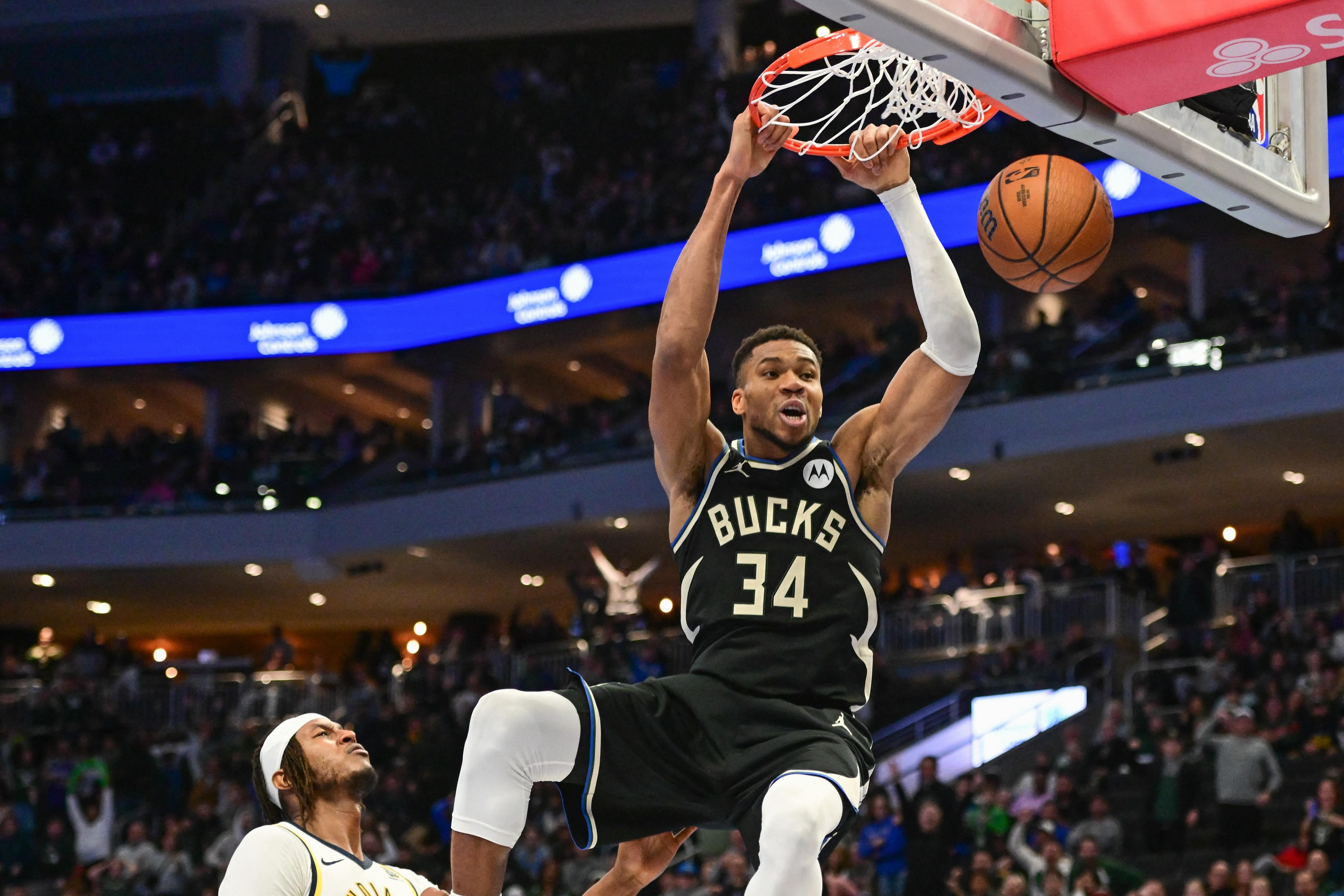
“The Bucks are in a weird spot. They’ve got a superstar, but their supporting cast isn’t good enough to win a title. If Boston offers a package that lets them reload without overpaying, they’ll listen.”
Here’s what Milwaukee is likely to accept—and what they’ll reject:
- Acceptable:
- A top-5 protected pick (e.g., Boston’s 2025 first-rounder).
- A star guard with upside (Brown fits this profile).
- Young players who can develop in Milwaukee’s system (e.g., Flynn, Springer).
- A financial mechanism to absorb Giannis’ salary (exception, sign-and-trade).
- Unacceptable:
- A single asset (e.g., just a pick or just Brown).
- Players with limited upside (e.g., role players without franchise value).
- Deals that don’t improve their core (e.g., sending old veterans).
One wild card: the Bucks’ ownership group. While GM Jon Horst and coach Adrian Griffin have been cautious, owner Wes Edens has reportedly privately expressed openness to exploring trades that could reset the franchise. If the right package comes together, the deal could move faster than expected.
—
The Celtics’ Roster Impact: What Happens If They Land Giannis?
Acquiring Giannis would instantly transform the Celtics’ championship window, but it would also force major roster and cultural adjustments. Here’s how Boston’s team would look post-trade:

| Position | Current Starters (2024-25) | Post-Giannis Scenario | Key Changes |
|---|---|---|---|
| Center | Jayson Tatum, Jrue Holiday, Robert Williams III | Giannis Antetokounmpo (center), Tatum (forward), Holiday (guard) | Giannis would dominate the paint, forcing Tatum to stretch the floor more. Williams could be traded or become a backup. |
| Guard | Jaylen Brown, Malachi Flynn, Jaden Springer | Holiday, Flynn, Springer (Brown traded) | Boston would lose its best two-way guard, requiring Holiday to take on more playmaking. Flynn would need to develop faster. |
| Frontcourt Depth | Al Horford, Marcus Smart, Grant Williams | Horford, Smart, Williams (plus potential young additions) | Boston would need to add a stretch big (e.g., a trade for a 4-and-D player) to space the floor for Giannis. |
Biggest challenges:
- Defensive identity shift. The Celtics have built their success on switchable, perimeter-oriented defense. Giannis is a one-on-one monster but not a traditional rim protector. Boston would need to adjust their scheme or add a help-side defender.
- Playmaking concerns. Giannis is a primary ball-handler, but the Celtics’ offense currently relies on Brown’s playmaking. Jrue Holiday would need to take on more primary duties, which could strain his two-way role.
- Cap space crunch. Giannis’ $48 million salary would eat into Boston’s flexibility. The Celtics would need to move out salary (e.g., trade Horford or Smart) to stay under the cap.
Despite these hurdles, the potential upside is undeniable. With Giannis, the Celtics would have:
- A true superstar who can carry a team in the playoffs.
- A young core (Tatum, Holiday, Giannis) that could contend for a decade.
- A higher ceiling in the Eastern Conference, where the Bucks, 76ers, and Nets are all rebuilding.
—
What the Trade Deadline Means for This Deal
The NBA trade deadline is July 6, 2024, and time is running out for the Celtics to make their move. Here’s the realistic timeline for how this could play out:
- June 20–24: Celtics and Bucks engage in private discussions, with Boston outlining a Brown-for-Giannis framework. Sources say the Bucks have already tested the waters with other teams but are most interested in Boston.
- June 25–29: Financial structuring becomes the focus. The Celtics would need to finalize a sign-and-trade exception or clear cap space for Giannis’ salary.
- June 30–July 2: Final negotiations. Both teams would consult with agents and advisors before making a decision. The Bucks may demand minor tweaks (e.g., an extra pick swap or young player).
- July 3–5: Deadline-day drama. If the deal is close, expect last-minute hype—but don’t be surprised if it falls apart over minor financial details.
- July 6 (deadline): Make or break. If the trade isn’t done by midnight ET, the window closes until next season.
One wildcard factor: the Bucks’ interest in other players. Reports suggest Milwaukee is also exploring deals for a center (e.g., Domantas Sabonis) or a young guard (e.g., Scoot Henderson). If the Celtics can outbid competitors with a more attractive package, they could lock it up.
Key deadline-day scenarios:
- The trade goes through, sending shockwaves through the league.
- The deal collapses over money, leaving both teams to regroup.
- Boston pulls the trigger on a different move (e.g., trading for a center or a young guard).
—
Who Stands to Gain—or Lose—If This Trade Happens?
A Giannis-for-Brown swap would redraw the NBA landscape. Here’s how the key stakeholders would be affected:
| Stakeholder | Potential Gains | Potential Losses |
|---|---|---|
| Boston Celtics |
|
|
| Milwaukee Bucks |
|
|
| NBA Eastern Conference |
|
|
| Jaylen Brown |
|
|
One often-overlooked angle: the impact on the NBA draft. If the Celtics send their 2025 pick to Milwaukee, Boston would need to rely on the lottery for future talent. That could slow their rebuild if they miss on multiple picks.
—
What Happens If the Trade Doesn’t Go Through?
If the deal falls apart, both teams would face major consequences:
- Celtics:
- They’d need to pivot to Plan B, possibly targeting a center (e.g., Sabonis, Bane) or a young guard (e.g., Henderson, Cade Cunningham).
- Without Giannis, Boston’s championship odds drop significantly, according to advanced analytics.
- They may focus on free agency, targeting a stretch big or a playmaker.
- Bucks:
- Milwaukee would retain Giannis but face increased pressure to improve their supporting cast.
- They’d need to address their lack of depth, possibly trading for a center or a wing.
- If they don’t trade Giannis, they’ll remain contenders but not title favorites.
One alternative scenario: the Bucks could explore a sign-and-trade for Giannis, keeping him in Milwaukee while adding a star guard via free agency. But with no elite guards available this summer, that option seems unlikely.
—
How This Trade Compares to Past Blockbusters
The Celtics’ potential Giannis trade would join the ranks of NBA’s most consequential deals. Here’s how it stacks up:
| Trade | Year | Key Similarities | Key Differences |
|---|---|---|---|
| Kevin Durant to Nets (2016) | 2016 |
|
|
| Kawhi Leonard to Clippers (2018) | 2018 |
|
|
| Paul George to Lakers (2019) | 2019 |
|
|
The biggest parallel? The 2013 James Harden trade, where Houston sent three picks and Kevin Martin to Oklahoma City for Harden. Like that deal, the Celtics’ potential move would reshape a franchise’s future—but with even higher stakes given Giannis’ two-way dominance.
—
What Fans and Analysts Are Saying
Reactions to the possibility of a Celtics-Giannis trade have been mixed, with fans and analysts weighing the prospects against the risks:
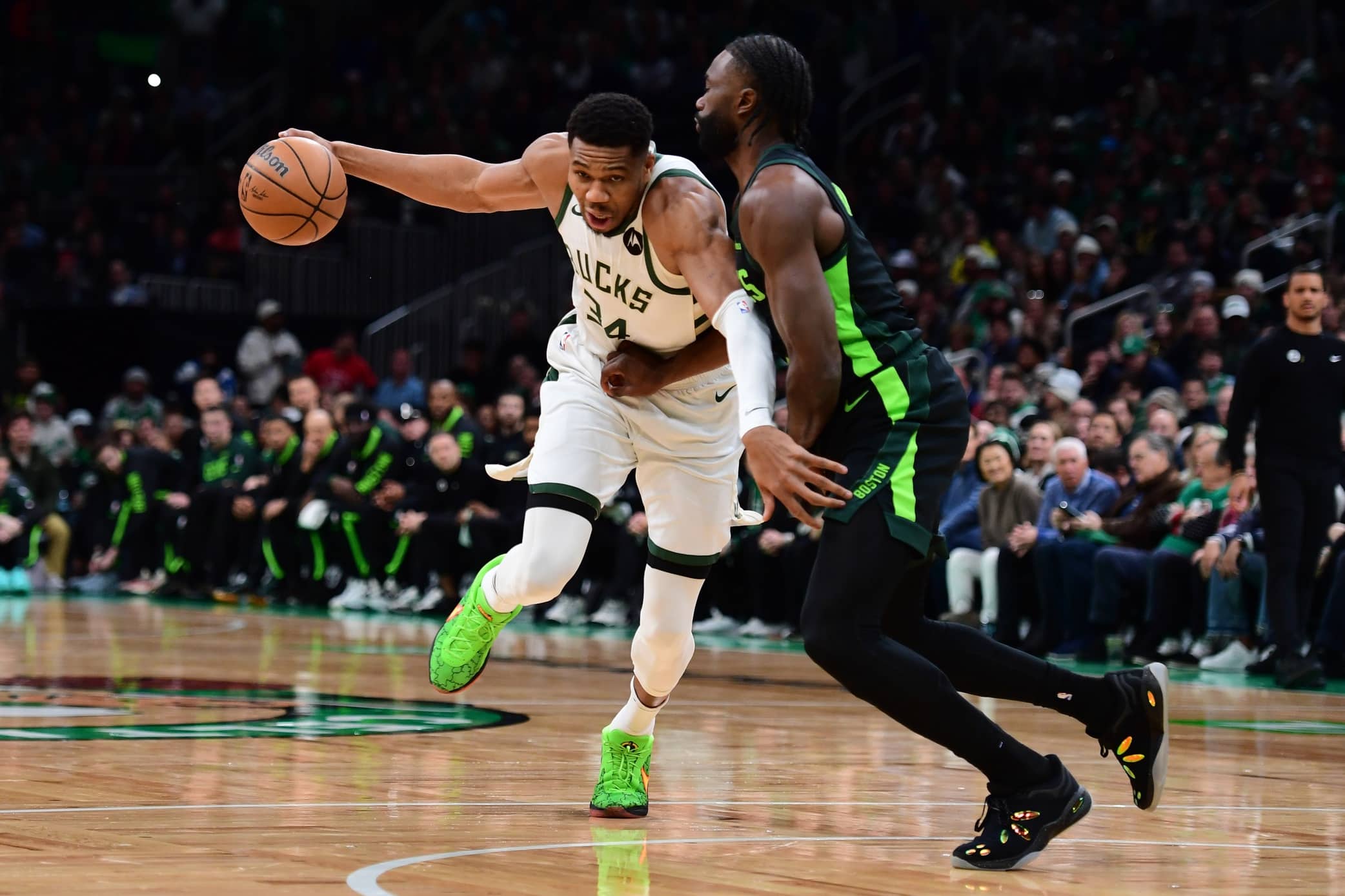
“This would be the trade of the decade. Giannis in Boston? That’s a dynasty. But sending Jaylen? That’s a tough pill to swallow.”
“The Bucks are being unrealistic. They want a top pick, a star guard, AND young players? That’s not how trades work. Boston can get close, but they’ll need to get creative.”
On social media, the debate has centered on two key questions:
- Is Jaylen Brown worth Giannis?
- Pro-Brown: He’s a two-way All-Star with elite defense and playmaking.
- Pro-Giannis: He’s a two-time MVP who can carry a team single-handedly.
- Can the Celtics’ defense adapt to Giannis?
- Optimists: Boston can shift to a Giannis-isolation offense with Holiday and Tatum spacing.
- Skeptics: The Celtics’ switchable defense would suffer without Brown’s versatility.
One common theme in fan discussions: the emotional weight of sending Brown. As a homegrown talent who has been Boston’s face of the franchise for years, his departure would be painful—but many argue it’s a necessary sacrifice for a championship.
—
Key Questions Answered
1. Could the Celtics really send Jaylen Brown in a trade?
Yes—but only if it’s part of a blockbuster deal. Brown’s contract runs through 2028, and the Celtics would need to waive him or include him in a sign-and-trade to satisfy the Bucks’ demands. Sources say Brown would have no say in the trade, as his rights would belong to the team.
2. What would the Celtics’ roster look like after the trade?
Boston would lose Brown but gain Giannis, shifting their lineup to a Giannis-Tatum-Holiday core. They’d need to add a stretch big (e.g., a trade for a 4-and-D player) and rely on Malachi Flynn or Jaden Springer for playmaking. Cap space would tighten significantly due to Giannis’ salary.
3. Why would the Bucks agree to this trade?
Milwaukee would gain a young, high-upside guard in Brown, free up cap space to rebuild, and acquire draft picks to reload. The trade would also reset their franchise without the long-term financial burden of Giannis’ contract.
4. What’s the biggest risk for the Celtics?
The defensive identity shift. The Celtics have built their success on switchable, perimeter-oriented defense. Giannis is a one-on-one monster but not a traditional rim protector. If Boston can’t adjust their scheme, their defense could suffer in the playoffs.
5. Could this trade happen before the deadline?
It’s possible—but not guaranteed. Both teams would need to finalize financial details (e.g., a sign-and-trade exception) and consult with advisors. If the deal is close, expect deadline-day drama. If it falls apart, the window closes until next season.
6. What’s the alternative if the trade doesn’t go through?
The Celtics would likely pivot to Plan B, possibly targeting a center (e.g., Domantas Sabonis) or a young guard (e.g., Scoot Henderson). Without Giannis, Boston’s championship odds drop, and they’d need to rely on free agency to fill the void.
—
The Celtics’ pursuit of Giannis Antetokounmpo is more than just a trade rumor—it’s a potential franchise-altering move that could define the next decade of Boston basketball. With the deadline looming, the question isn’t if this deal will happen, but how it will unfold—and whether both teams can navigate the financial, roster, and cultural hurdles to make it work.
One thing is certain: if this trade goes down, the NBA landscape will never be the same.
