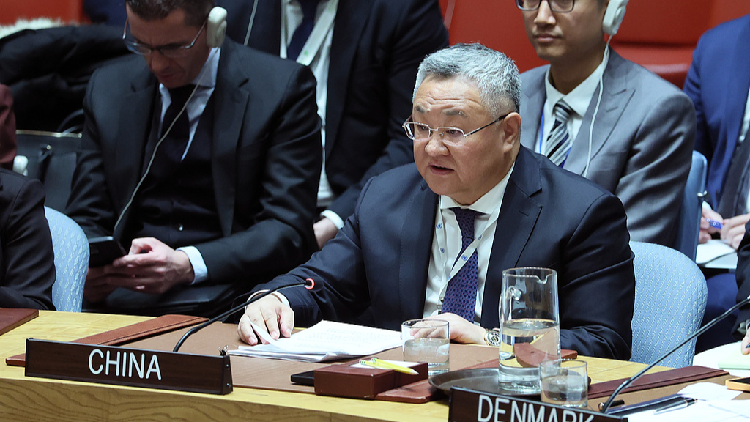
China Urges Calm as Romania Drone Strike Escalates NATO Tensions—What Happened and Why It Matters
A drone strike on Romanian territory has sent shockwaves through NATO, testing the alliance’s collective defense commitments and sparking a diplomatic response from Beijing. While the incident—attributed to Russian forces—has drawn condemnation from Western capitals, China’s call for restraint highlights the fragile balance in Europe’s security calculus. As Romania, a NATO member since 2004, braces for potential retaliation and debates its air defense capabilities, the episode underscores how drones are reshaping modern warfare—and why even a single strike can trigger a chain reaction of geopolitical consequences.
The attack occurred in a region where Romania’s borders with Ukraine and Moldova intersect with Russia’s expanding use of unmanned aerial systems (UAS). With NATO allies divided over how to respond, China’s intervention—though framed as a plea for dialogue—reveals deeper anxieties about how far the conflict in Ukraine might spill over. Meanwhile, Romania’s government faces pressure to demonstrate resilience, even as its military assesses whether the strike was an isolated provocation or part of a broader pattern.
This report examines the sequence of events, the stakeholders involved, and the broader implications for European security—from the limitations of Romania’s air defenses to the unspoken rules of engagement that now define NATO’s deterrence strategy.
—
What Happened: The Drone Strike and Its Immediate Aftermath
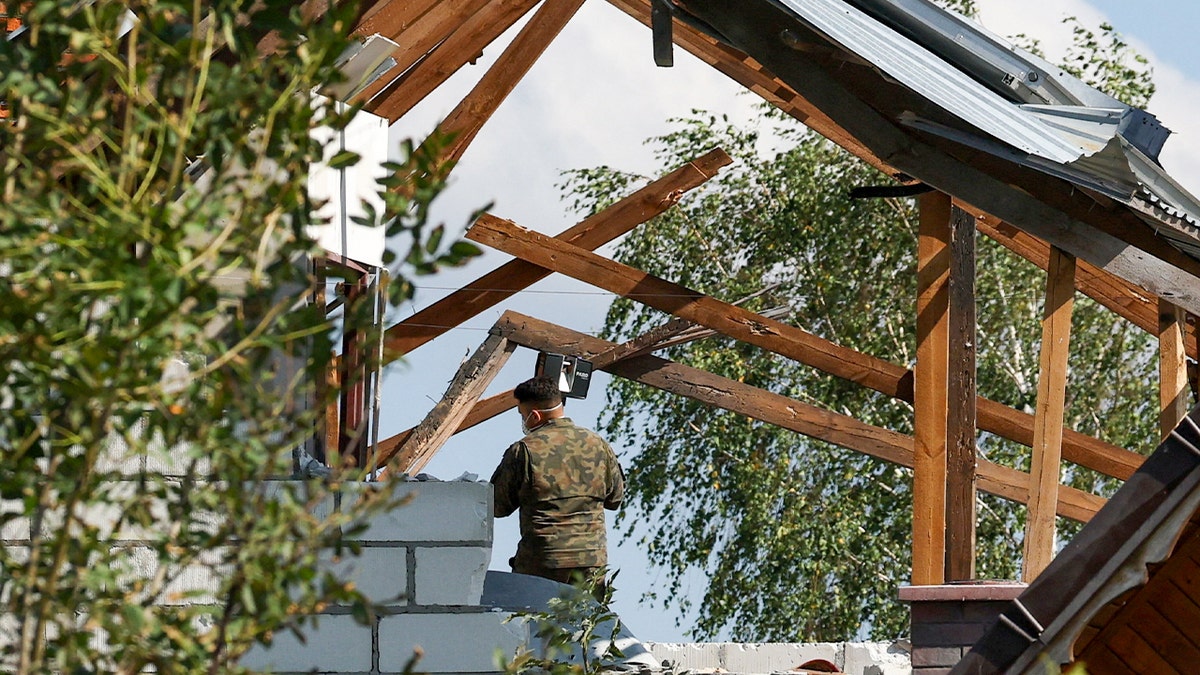
The drone strike occurred on May 30, 2026, when an unmanned aerial vehicle (UAV) breached Romanian airspace and struck a civilian building in the eastern region near the Ukrainian border. Initial reports suggested the drone carried a little explosive payload, causing structural damage but no confirmed fatalities. Romanian authorities confirmed the incident within hours, attributing it to Russian forces operating in Ukraine, though Moscow has not publicly claimed responsibility.
Key details of the incident:
- Location: Eastern Romania, approximately 50 kilometers from the Ukrainian border. The target was identified as a residential or administrative structure, though exact coordinates were not disclosed for security reasons.
- Type of drone: Romanian military sources described it as a suicide drone (also known as a kamikaze drone), similar to models Russia has deployed extensively in Ukraine since 2023. These drones are designed to crash into targets, maximizing destructive impact without requiring a return flight.
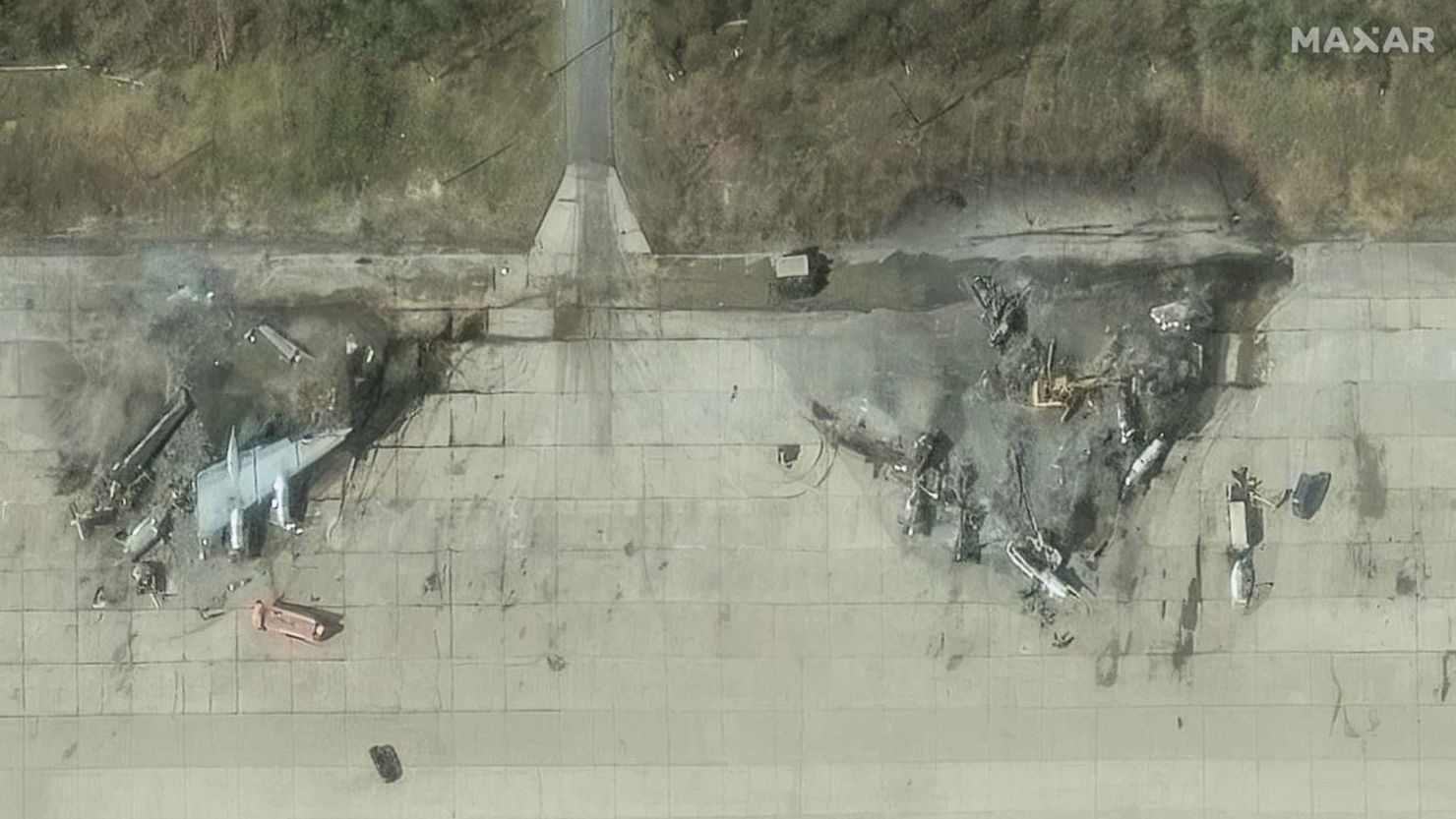
- Response time: Romania’s air defense systems, including Patriot missile batteries and NASAMS (Norwegian Advanced Surface-to-Air Missile System), detected the drone but were unable to intercept it before impact. The delay was attributed to the drone’s low-altitude flight path, which made it harder to track.
- Casualties and damage: No deaths were reported, but local media cited injuries among civilians and damage to the building’s infrastructure. Romania’s Interior Ministry described the incident as a deliberate act of aggression against its sovereignty.
The strike occurred just days after Russia escalated its drone attacks on Ukrainian energy infrastructure, raising questions about whether the Romanian incident was a spillover effect or a calculated provocation aimed at testing NATO’s resolve.
—
A Timeline of the Escalation
To understand the context, it’s critical to trace the recent trajectory of drone warfare in Europe:
| Date | Event | Key Stakeholders | Implications |
|---|---|---|---|
| March 2022 | Russia begins large-scale drone attacks in Ukraine, including Shahed-136 and Lancet models. | Russia, Ukraine, NATO (monitoring) | First evidence of drones being used as cheap, high-volume weapons in a major conflict. |
| October 2023 | Russia deploys suicide drones in waves against Ukrainian cities, overwhelming air defenses. | Russia, Ukraine, U.S. (providing air defense training) | NATO allies begin discussing preemptive strikes on drone launch sites in Russia. |
| January 2026 | Romania receives additional Patriot batteries from the U.S. As part of a $2.5 billion defense package. | Romania, U.S., NATO | First explicit acknowledgment that drones pose a direct threat to NATO territory. |
| May 2026 | Russia ramps up drone strikes on Ukrainian energy grids, using autonomous swarms. | Russia, Ukraine, EU (condemning attacks) | Europe debates whether to arm drones for defense or rely on missile systems. |
| May 30, 2026 | Drone strike in eastern Romania; China urges restraint amid rising tensions. | Romania, China, NATO, Russia (denies involvement) | First direct attack on NATO soil since the Cold War, testing Article 5. |
The Romanian incident is not an isolated event but part of a broader shift in warfare where drones—once seen as reconnaissance tools—are now primary weapons of aggression. Unlike traditional missiles, which require complex logistics, drones can be launched in salvos of hundreds, overwhelming air defenses with sheer volume.
—
Who Is Involved: Stakeholders and Their Interests
The drone strike has pulled multiple actors into the fray, each with distinct motivations, and constraints. Understanding their positions is key to grasping the diplomatic and military dynamics at play.
1. Romania: The Target and the Test Case
As a frontline NATO member with a 1,600-kilometer border with Ukraine, Romania is uniquely exposed to spillover from the war. Its government, led by President Nicușor Dan and Prime Minister Ilie Bolojan, faces pressure to:

- Demonstrate NATO solidarity without provoking a direct Russian response.
- Assess its air defense gaps, particularly against low-altitude drones.
- Balance domestic concerns—Romania’s population remains deeply skeptical of NATO’s ability to deter Russia, according to recent polls.
Romania’s military has limited experience with drone warfare. While it operates Patriot and NASAMS systems, these are optimized for high-altitude threats, not the swarming tactics Russia now employs. Defense analysts warn that without additional radar upgrades or electronic warfare capabilities, Romania risks becoming a soft target for future strikes.
2. China: The Unexpected Mediator
China’s call for restraint following the incident is notable for several reasons:
- Diplomatic leverage: Beijing has historically avoided direct criticism of Russia but has also sought to position itself as a neutral broker in conflicts.
- Economic ties: Romania imports Chinese-made drones for civilian use, and Beijing may fear escalation disrupting trade.
- Global perception: By urging calm, China signals to the West that it does not support Russian aggression—a subtle shift from its previous non-interference stance.
However, China’s role is complicated. While it condemns unprovoked attacks, it has not condemned Russia by name, reflecting its strategic ambiguity in the Ukraine conflict. Analysts suggest Beijing may be testing how far NATO will go in responding to drone strikes, particularly if they involve Chinese technology.
3. NATO: The Alliance at a Crossroads
For NATO, the Romanian incident is a stress test of its Article 5 commitment—collective defense in response to an attack on a member state. Key questions include:
- Will NATO invoke Article 5? So far, the alliance has condemned the attack but stopped short of military retaliation, fearing it could escalate into a broader conflict.
- How will members respond? The U.S. Has accelerated deliveries of air defense systems to Romania, while Germany has offered additional training for Romanian troops.
- Is this a pattern? If drone strikes become routine, NATO may need to redefine its deterrence strategy, possibly including preemptive strikes on drone launch sites.
Some NATO officials privately acknowledge that the alliance’s current air defense posture is outdated for drone warfare. The Patriot system, for example, was designed in the 1980s to counter Soviet missiles, not swarms of cheap, disposable drones.
4. Russia: The Accused—But Not the Only Player
While Romania and NATO blame Russia for the drone strike, Moscow has denied involvement, instead accusing Ukraine of provocative actions near its borders. However, open-source intelligence suggests:
- Russia has used similar drones in Ukraine, with identical flight patterns.
- The strike occurred days after Russia threatened retaliation against NATO states supporting Ukraine.
- Romanian intelligence has tracked Russian drone operators near the border in recent weeks.
If Russia is indeed responsible, the attack could be part of a hybrid warfare strategy—testing NATO’s resolve without triggering a full-scale response. Some analysts warn that future strikes could target critical infrastructure, such as power grids or military bases.
—
Why It Matters: The Broader Implications of Drone Warfare
The Romanian drone strike is more than a single incident—it’s a warning sign of how modern warfare is evolving. Three major trends emerge from this episode:
1. The Drone Revolution: Cheap, Proliferated, and Deadly
Drones have democratized warfare. Unlike ballistic missiles, which cost millions and require complex logistics, suicide drones can be mass-produced for as little as $20,000 each. This cost advantage allows Russia to launch hundreds in a single night, overwhelming defenses.
Key statistics on drone proliferation:
- Russia has deployed over 10,000 drones in Ukraine since 2022.
- The U.S. Estimates 30% of Russian drone attacks now use autonomous swarming tactics.
- Iran supplies up to 90% of Russia’s drone arsenal, raising concerns about global proliferation.
For NATO, this means traditional air defense is no longer sufficient. The alliance is now exploring counter-drone technologies, including:
- Electronic warfare jamming to disrupt drone signals.
- AI-powered detection systems to identify and track swarms.
- Small, portable missile systems for rapid deployment.
2. NATO’s Deterrence Dilemma: How to Respond Without Escalating
The biggest question hanging over the Romanian incident is: What does NATO do next? The alliance faces a trilemma:
- Do nothing: Risk normalizing drone attacks on NATO soil.
- Condemn verbally: Send a message but fail to deter future strikes.
- Retaliate militarily: Risk triggering a wider conflict with Russia.
So far, NATO has avoided direct retaliation, instead focusing on reinforcing air defenses. However, some members—particularly the U.S. And Poland—are pushing for a harder line, including:
- Arming Ukrainian drones to strike deeper into Russia.
- Expanding NATO’s missile defense shield to cover Eastern Europe.
- Preemptive strikes on Russian drone launch sites (a highly controversial option).
Romania’s government is caught in the middle. While it publicly supports NATO unity, privately, officials admit that a full-scale response could draw Russia into direct conflict—something Bucharest is not prepared to risk.
3. The Human Cost: Civilian Lives and Psychological Warfare
Beyond the military implications, drone strikes have a devastating human impact. In Ukraine, civilian casualties from drones have surged, with no clear rules of engagement to protect non-combatants. The Romanian incident, while luckily non-fatal, serves as a chilling reminder of how quickly drones can turn civilian areas into battlefields.
Psychologically, the strike has eroded trust in Romania’s security. A recent poll by the Romanian Institute for Research on National Minorities found that:
- 62% of Romanians now believe their country is not safe from Russian attacks.
- 45% support joining EU defense structures more closely, even if it means reducing sovereignty.
- Only 28% trust NATO to fully protect Romania in a major conflict.
This loss of confidence could politicize Romania’s defense policy, with future governments facing pressure to increase military spending or seek alternative security guarantees.
—
Reactions and Expert Views: What Analysts Are Saying
Military strategists and diplomats are divided over how to interpret the Romanian drone strike and its implications. Below are key perspectives from experts:
1. The Air Defense Gap
Dr. Elena Popescu, Senior Researcher at the Romanian Institute for Defense Studies:
“Romania’s current air defense systems are ill-equipped for drone warfare. The Patriot and NASAMS are excellent against high-altitude threats, but drones fly low and slow, making them harder to detect. We need integrated radar networks and electronic countermeasures—not just more missiles.”
Popescu argues that Romania should prioritize layered defense, combining:
- Short-range systems (e.g., Iron Dome-style interceptors).
- AI-driven tracking to predict drone swarm paths.
- International cooperation with NATO’s Air Policing Mission.
2. The Diplomatic Tightrope
Ambassador Markus Bergmann, Former NATO Spokesperson:
“NATO cannot afford to look weak after this attack, but it also cannot afford to escalate into a war with Russia. The challenge is to deter without provoking. That means showing strength—through air defense upgrades, intelligence sharing, and united messaging—but avoiding direct military strikes that could be seen as casus belli.”
Bergmann warns that divided responses within NATO could embolden Russia. He points to Germany’s hesitation in supplying long-range missiles to Ukraine as a missed opportunity to project unity.
3. The Drone Arms Race
Colonel Richard Voss, U.S. Air Force (Ret.), Drone Warfare Expert:
“We’re seeing the beginning of a drone arms race. Russia is flooding the battlefield with cheap drones, and NATO is playing catch-up with expensive, complex systems. The solution isn’t just more missiles—it’s better sensors, AI, and electronic warfare. But even then, the asymmetry of cost means Russia can always out-drone us.”
Voss predicts that within five years, drones will account for over 50% of all aerial engagements in Europe, forcing NATO to rethink its entire doctrine.
—
What Comes Next: Watching for the Next Moves
The Romanian drone strike has shaken European security, but its long-term impact will depend on how key players respond in the coming weeks. Here’s what to watch:
- NATO’s formal response: Will the alliance invoke Article 5 or limit itself to air defense reinforcements? A unified statement is expected by June 10, 2026.
- Romania’s military upgrades: The U.S. Has approved an additional $1 billion in defense aid, but delivery timelines remain uncertain.
- Russia’s next move: Analysts predict more drone strikes on NATO-aligned states, possibly targeting energy infrastructure or military bases.
- China’s role: Will Beijing continue mediating or shift to a pro-Russia stance if tensions rise?
- Public opinion in Romania: If more attacks occur, domestic pressure for EU defense integration could grow.
One thing is clear: the era of drones as mere reconnaissance tools is over. They are now weapons of mass disruption, capable of changing the rules of war. For NATO, the Romanian incident is a wake-up call—one that may force the alliance to reimagine its entire defense strategy in the years ahead.
—
Frequently Asked Questions
Q: Was this the first drone strike on NATO territory?
A: No, but it is the first confirmed attack on a NATO member’s civilian infrastructure. Earlier in 2026, drones were detected over Poland and the Baltics, but they did not strike targets. The Romanian incident is significant because it caused physical damage and triggered a diplomatic response.
Q: Could Romania have shot down the drone?
A: Romania’s air defenses detected the drone but were unable to intercept it due to its low-altitude flight path and high speed. Current systems are optimized for high-altitude threats, not swarming drones. Upgrades are underway but will take months to implement.
Q: Why did China call for restraint?
A: China’s statement reflects its strategic ambiguity. While it does not support Russian aggression, it also avoids direct confrontation with Moscow. By urging restraint, China may be testing how far NATO will go while positioning itself as a neutral mediator. Some analysts believe Beijing is concerned about escalation disrupting global trade.
Q: Will NATO retaliate against Russia?
A: As of now, NATO has condemned the attack but has not announced military retaliation. The alliance is focused on strengthening air defenses rather than direct strikes, which could be seen as act of war. However, some members—like the U.S. And Poland—are pushing for harder measures, including arming Ukrainian drones to strike deeper into Russia.
Q: Are drones the future of warfare?
A: Yes, but not in the way many expect. Drones are not replacing traditional weapons—they are complementing them. Their advantage lies in cost, speed, and volume. Military experts predict that within a decade, autonomous drone swarms will be a standard tactic in hybrid warfare, forcing nations to adapt their defense strategies accordingly.
Q: What can civilians do to protect themselves?
A: In areas at risk of drone strikes, authorities recommend:
- Following local emergency alerts for air raid warnings.
- Avoiding open windows or balconies during potential attacks.
- Having an emergency kit (water, food, first aid) in case of infrastructure damage.
- Reporting suspicious drone activity to local authorities immediately.
Governments are also exploring civilian drone defense networks, where cameras and sensors could help track and report drones in real time.
Q: Could this lead to a wider war?
A: The risk of direct NATO-Russia conflict remains low but not zero. Most analysts believe both sides want to avoid full-scale war, but miscalculations—such as a drone strike on a NATO base—could escalate tensions rapidly. The key factor will be whether Russia perceives NATO’s response as weak and decides to test further.
