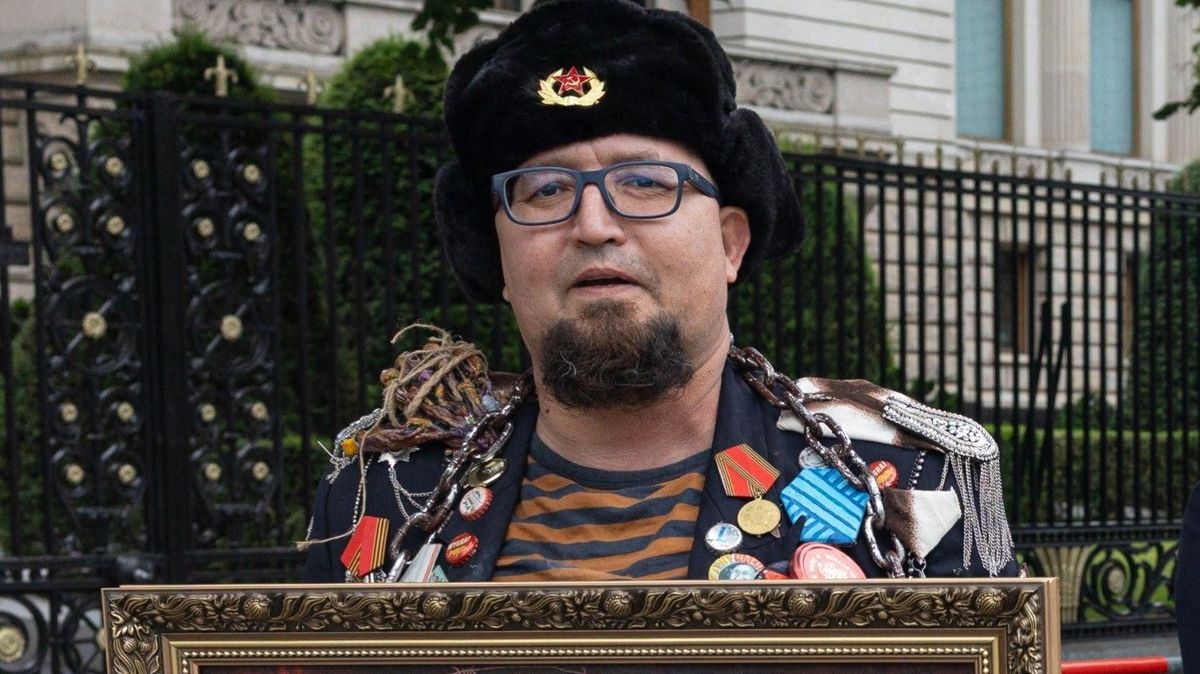
A Russian satirist known for his sharp critiques of Vladimir Putin and Chechen leader Ramzan Kadyrov was killed in Poland on Wednesday, marking the latest fatality in a region where dissent against Moscow’s allies has grown increasingly perilous.
The victim, identified by local media as a Russian artist and performer, had gained attention for his public parodies of Putin and Kadyrov, figures whose influence extends from Kremlin politics to regional strongman networks. Authorities in Poland confirmed the death but have not yet disclosed a cause or whether foul play is suspected, though initial reports suggest the circumstances may be linked to his work.
Who Was the Target and Why Does His Death Matter?
The artist, whose real name has not been publicly confirmed by Polish officials, had previously faced threats and legal pressure in Russia for his satirical performances. His work often mocked Putin’s authoritarianism and Kadyrov’s brutal reputation as the de facto ruler of Chechnya, where he has been accused of human rights abuses, including the persecution of LGBTQ+ individuals and political opponents.
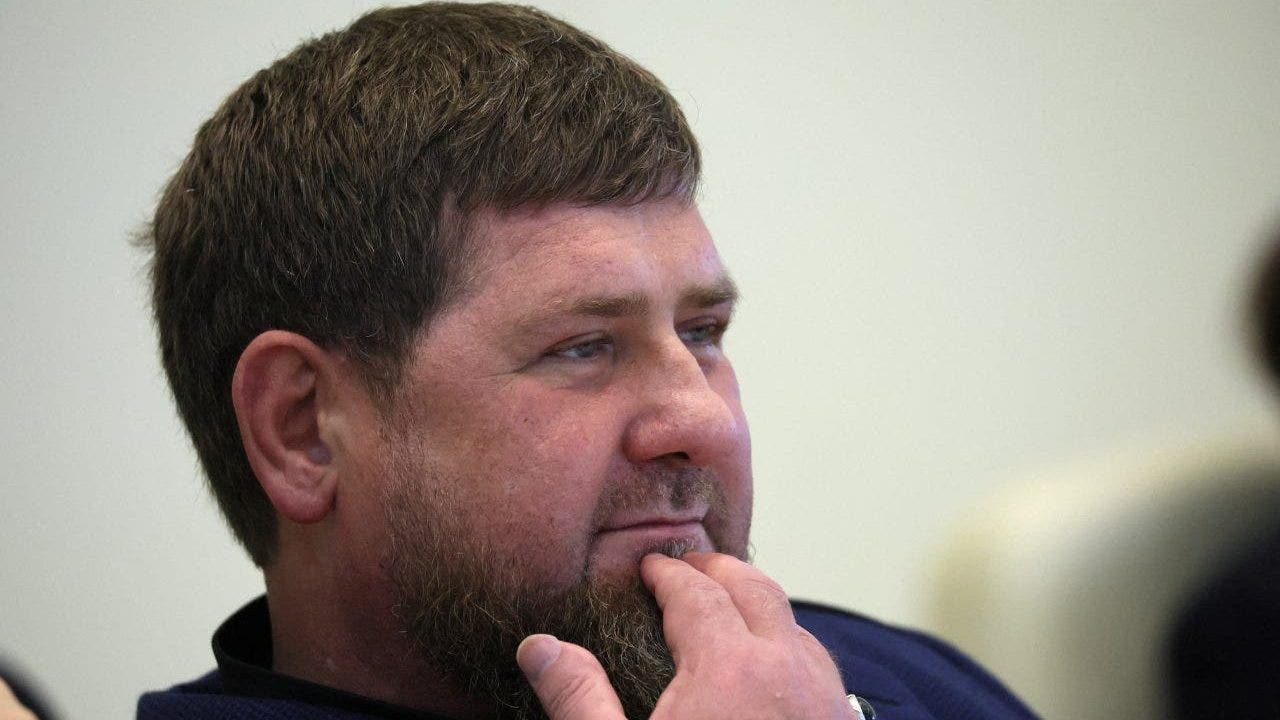
Kadyrov, a close ally of Putin and a former Kremlin-backed official, has long used his position to suppress dissent, including through extrajudicial measures. His influence in Chechnya and beyond has made him a polarizing figure, both within Russia and internationally. The artist’s killing follows a pattern of violence against critics of Moscow’s inner circle, raising concerns about the reach of Kadyrov’s network even outside Russia’s borders.
How Did This Happen, and What Do Polish Authorities Say?
According to local media reports, the artist was found dead in a hotel room in Warsaw, Poland’s capital, on Wednesday morning. Polish police have launched an investigation, but details remain scarce. A spokesperson for the Warsaw police told reporters that initial findings do not indicate a clear motive, though they have not ruled out the possibility of a targeted attack.
Poland, a NATO member and a vocal critic of Russia’s war in Ukraine, has seen a rise in cases involving Russian dissidents seeking refuge. The country has become a haven for journalists, activists, and artists fleeing persecution, but the artist’s death underscores the risks they face even in exile.
What Are the Implications for Regional Stability?
The killing comes as tensions between Russia and the West remain high, with Putin’s regime increasingly isolating itself diplomatically. Kadyrov’s role as a enforcer of Putin’s policies—particularly in Chechnya—has made him a symbol of the Kremlin’s hardline approach to dissent. His influence extends to other regions under Moscow’s control, where local leaders often mirror his tactics.
:max_bytes(150000):strip_icc()/moscow-kremlin-and-st-basil-cathedral-at-dusk-158200423-5a64f4594e46ba00377331fb.jpg "What Are the Implications for Regional Stability?")
International observers warn that such acts of violence against critics could further strain relations between Russia and its Western allies. The European Union and the U.S. have previously condemned Kadyrov’s human rights record, but direct action against his associates abroad remains rare. This case may prompt renewed calls for accountability, though concrete measures are unlikely without clearer evidence of state involvement.
What’s Next for the Investigation?
Polish authorities have not specified a timeline for the investigation, but they have indicated that cooperation with Russian law enforcement is not an option due to concerns over political interference. The case may draw attention to the broader issue of impunity for those linked to Kadyrov’s network, particularly as other Russian dissidents continue to seek asylum in Europe.
For now, the focus remains on securing the scene and gathering forensic evidence. If the death is confirmed as a targeted killing, it could mark another escalation in the war against dissent—one that transcends Russia’s borders.
