
Russia has unexpectedly acknowledged facing significant internal challenges, marking a rare public admission of difficulties amid ongoing geopolitical tensions. However, the government has declined to specify the nature of these issues, leaving analysts and international observers to speculate on the implications for the country’s stability and foreign policy.
Unexpected Admission Amid Global Scrutiny
The announcement, reported by local media, comes as Russia continues to navigate complex domestic and international pressures. While the exact reasons for the challenges remain undisclosed, the statement has sparked discussions about potential economic strains, political dynamics, or military logistics affecting the nation. President Vladimir Putin, who has consistently emphasized national strength, has not commented directly on the issue, maintaining a focus on external threats.
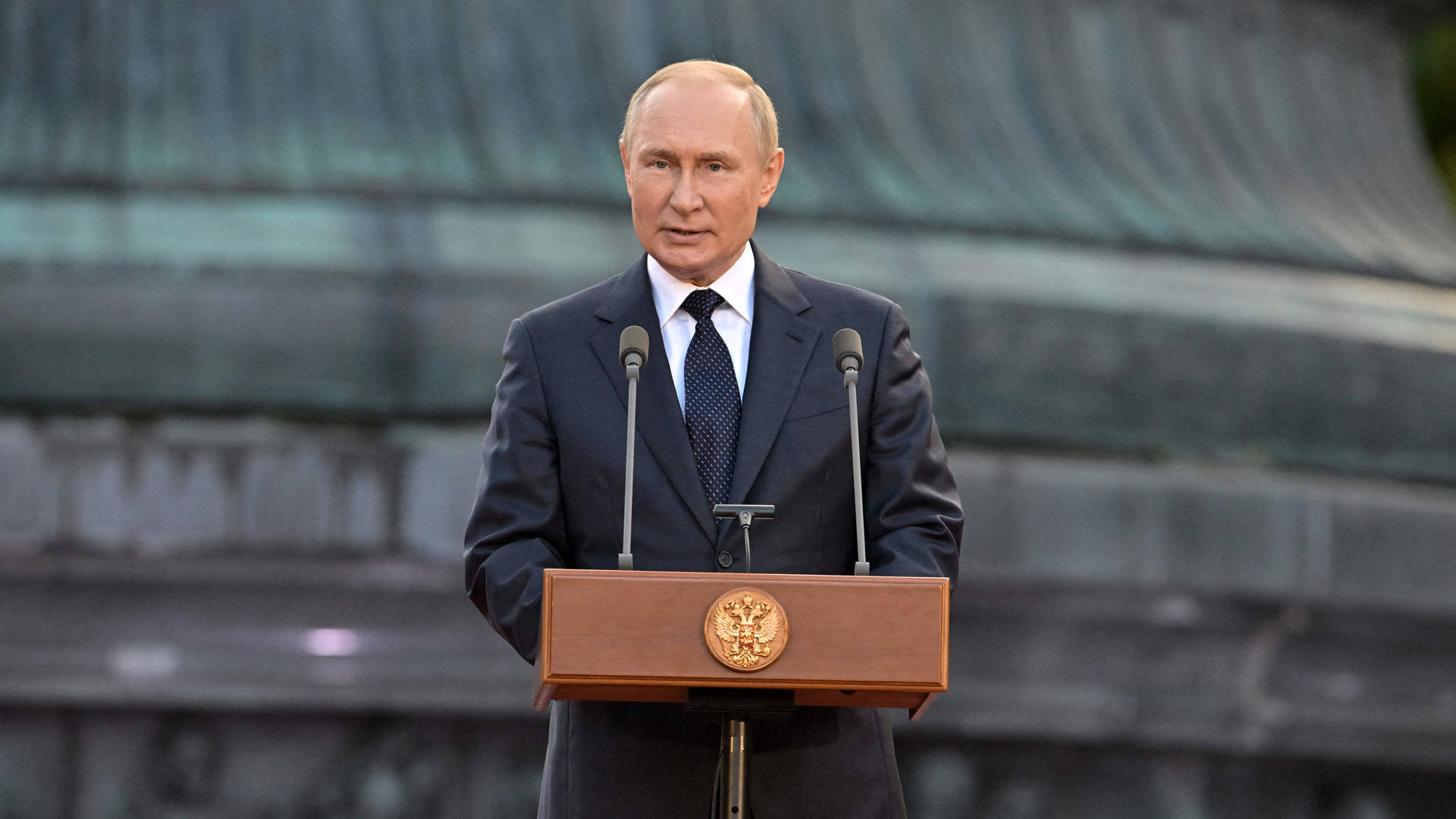
Recent months have seen heightened scrutiny of Russia’s actions in Ukraine, with Western nations imposing sustained sanctions and diplomatic pressure. The Kremlin has repeatedly dismissed allegations of aggression, with Putin stating in a December 2025 address that claims of Russian military intentions in Europe were “nonsense.”
Historical Context and Regional Implications
Russia’s admission, though brief, underscores the complexities of governing a vast territory with diverse regional interests. The country’s history of centralized authority and strategic maneuvering has often prioritized external narratives over domestic challenges. Analysts note that such public acknowledgment of internal issues is uncommon, reflecting either a shift in communication strategy or a response to mounting pressures.
The situation also raises questions about the resilience of Russia’s political structure. With the 2026 presidential election approaching, the government’s handling of internal affairs could influence domestic and international perceptions. Neighboring states, particularly those in Eastern Europe, are closely monitoring developments, given the region’s historical volatility.
International Reactions and Uncertainties
Global reactions to the admission have been cautious. While some observers view the statement as a sign of transparency, others remain skeptical, citing Russia’s track record of selective information disclosure. The lack of detailed explanation has fueled speculation about the scope of the challenges, with theories ranging from economic slowdowns to internal dissent.
International organizations and foreign governments have called for further clarification, though no formal statements have been released. The absence of concrete data complicates efforts to assess the situation, with many focusing on how Russia might address these issues in the coming months.
What’s Next?
The coming weeks will be critical in determining how Russia manages its internal challenges. Analysts suggest that the government may seek to balance transparency with maintaining a strong external image. Meanwhile, the international community is likely to remain vigilant, as any significant shifts in Russia’s domestic stability could have far-reaching consequences.
