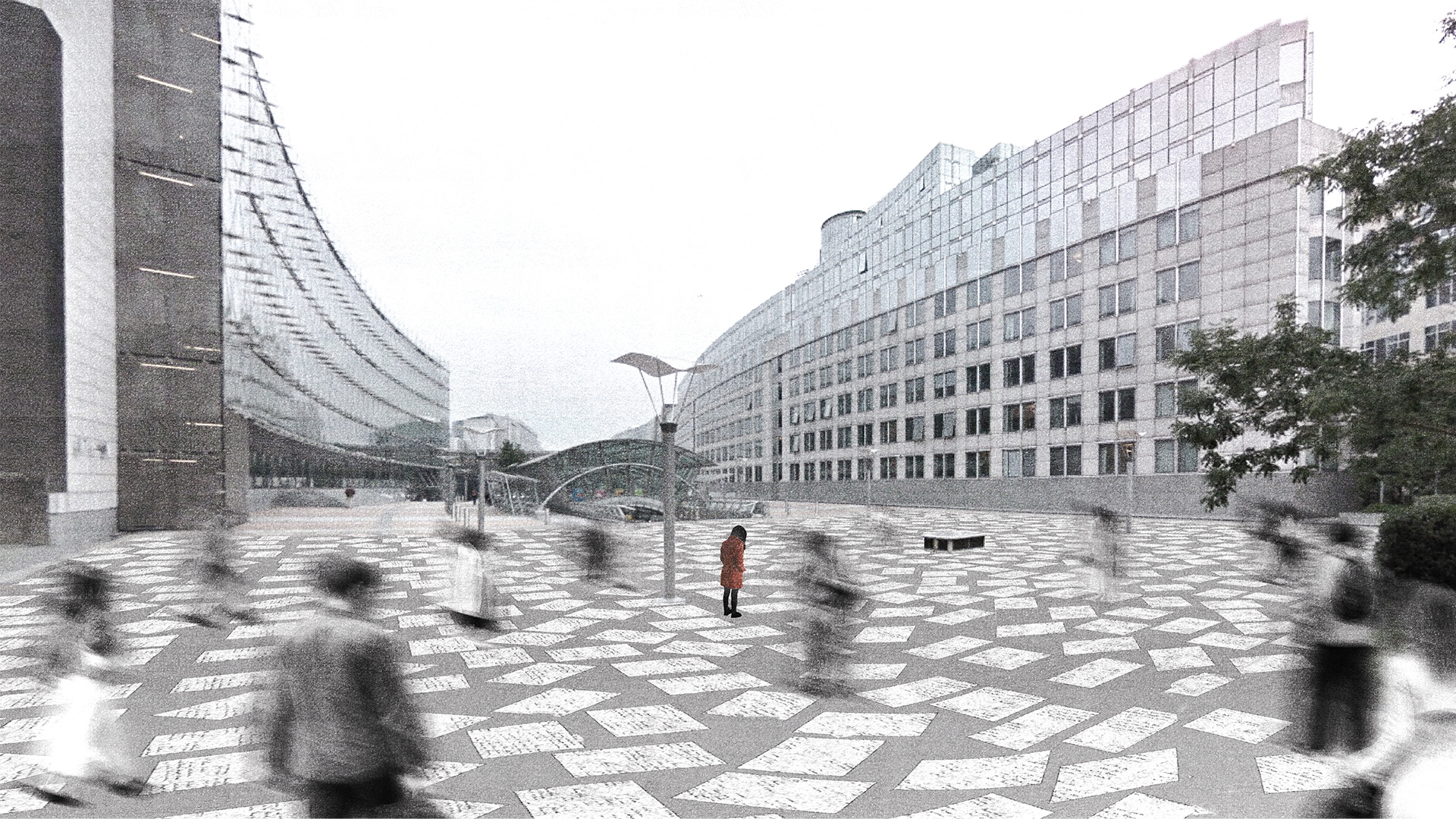
Momentum Builds for Brussels Memorial to Victims of Totalitarianism: A New Chapter in European Remembrance
As the European Union grapples with the resurgence of authoritarian ideologies and the erosion of democratic norms, a significant initiative has gained traction in Brussels: the establishment of a Pan-European Memorial dedicated to the victims of totalitarian regimes. This effort, supported by key institutions and civil society actors, marks a pivotal moment in the continent’s collective memory and its commitment to confronting historical injustices. The momentum behind the memorial reflects a broader societal need to acknowledge past atrocities, foster unity, and serve as a warning against the dangers of extremism.
What Is the Pan-European Memorial to Victims of Totalitarianism?
The proposed Pan-European Memorial to Victims of Totalitarianism is a planned site in Brussels intended to honor individuals who suffered under oppressive regimes across Europe. Unlike traditional memorials that focus on specific conflicts or nations, this initiative seeks to create a space that recognizes the shared experiences of millions who endured persecution, forced labor, and genocide under totalitarian systems. The memorial aims to serve as both a historical archive and a symbolic reminder of the human cost of authoritarianism.
According to the official website of the memorial project, the site will feature interactive exhibits, historical documents, and personal stories of survivors. The goal is to educate future generations about the mechanisms of totalitarian rule and the importance of safeguarding democratic values. The project’s proponents argue that such a memorial is essential in an era where misinformation and historical revisionism threaten to distort public understanding of the past.
Key Stakeholders and Their Roles
The development of the memorial has drawn support from a diverse array of stakeholders, including the European Parliament, historical organizations, and civil society groups. The European Parliament has formally endorsed the initiative, recognizing its potential to strengthen European identity and promote reconciliation. In a statement, a spokesperson for the Parliament emphasized that “the memorial will serve as a beacon of remembrance, ensuring that the lessons of the past are not forgotten in the face of contemporary challenges.”
Historical institutions such as the United States Holocaust Memorial Museum and the International Holocaust Remembrance Alliance have also voiced their support, offering expertise in curating exhibits and preserving historical records. Meanwhile, grassroots organizations focused on human rights and anti-fascist activism have mobilized public backing, organizing petitions and awareness campaigns to highlight the urgency of the cause.
However, the project has not been without controversy. Some critics argue that the memorial’s broad scope may dilute its focus, while others question the allocation of resources for such an initiative amid pressing social and economic issues. These debates underscore the complex nature of remembrance projects, which often balance historical accountability with contemporary priorities.
A Timeline of Key Developments
The concept of a Pan-European memorial has evolved over several decades, with roots in post-World War II efforts to document and commemorate the atrocities of totalitarian regimes. However, the current push gained significant momentum in the early 2020s, driven by a renewed interest in historical accountability and the rise of far-right movements across Europe.
| Year | Event |
|---|---|
| 2014 | European Parliament adopts resolution calling for a unified approach to remembrance of totalitarian regimes. |
| 2018 | Initiative launched by a coalition of historians and activists to establish a memorial in Brussels. |
| 2022 | European Parliament formally supports the project, allocating initial funding for feasibility studies. |
| 2024 | Public consultation phase begins, with plans for a pilot exhibition announced. |
| 2026 | Construction of the memorial approved, with completion expected by 2028. |
The timeline reflects a gradual but persistent effort to transform the idea into a reality. The 2024 public consultation phase, in particular, marked a turning point, as it allowed citizens to contribute ideas for the memorial’s design and content. This inclusive approach has been praised as a model for participatory democracy in historical projects.
Why This Memorial Matters: Context and Implications
The establishment of the Pan-European Memorial is deeply rooted in the historical context of 20th-century Europe, where totalitarian regimes—such as Nazi Germany, the Soviet Union, and Fascist Italy—left a legacy of trauma and division. By creating a shared space for remembrance, the memorial aims to bridge the gaps between nations and foster a collective understanding of the past.
Experts highlight the memorial’s potential to address contemporary issues. Dr. Elena Martínez, a historian specializing in European politics, notes that “the memorial is not just about the past; it is a response to the current challenges of populism and nationalism. By confronting historical injustices, it provides a framework for building resilience against authoritarian tendencies.”
Moreover, the project has broader implications for international relations. The involvement of the European Parliament and international organizations signals a commitment to transcending national boundaries in the pursuit of historical truth. This collaborative approach could set a precedent for other regions facing similar challenges.
Reactions and Expert Perspectives
The initiative has elicited a range of reactions from the public, academics, and policymakers. Supporters argue that the memorial is a necessary step toward healing and education. For instance, the European Youth Forum praised the project as “a vital investment in the future, ensuring that young people are equipped with the knowledge to protect democratic values.”
However, some critics have raised concerns about the memorial’s inclusivity. A group of historians has called for greater representation of Eastern European perspectives, noting that the narratives of victims from countries like Poland and Hungary have often been marginalized in Western-dominated historical accounts. “The memorial must reflect the diversity of experiences across the continent,” one scholar stated, “or it risks becoming a symbol of selective memory.”
Political figures have also weighed in. While the European Parliament has been a vocal advocate, some national governments have been more cautious. The debate over the memorial’s funding and scope highlights the tension between pan-European initiatives and national sovereignty, a recurring theme in EU politics.
Challenges and Future Steps
Despite the growing support, the project faces several challenges. One of the primary obstacles is
