Expensive Oil is Making Electric Vehicles Look Positively Cheap – Financial Times
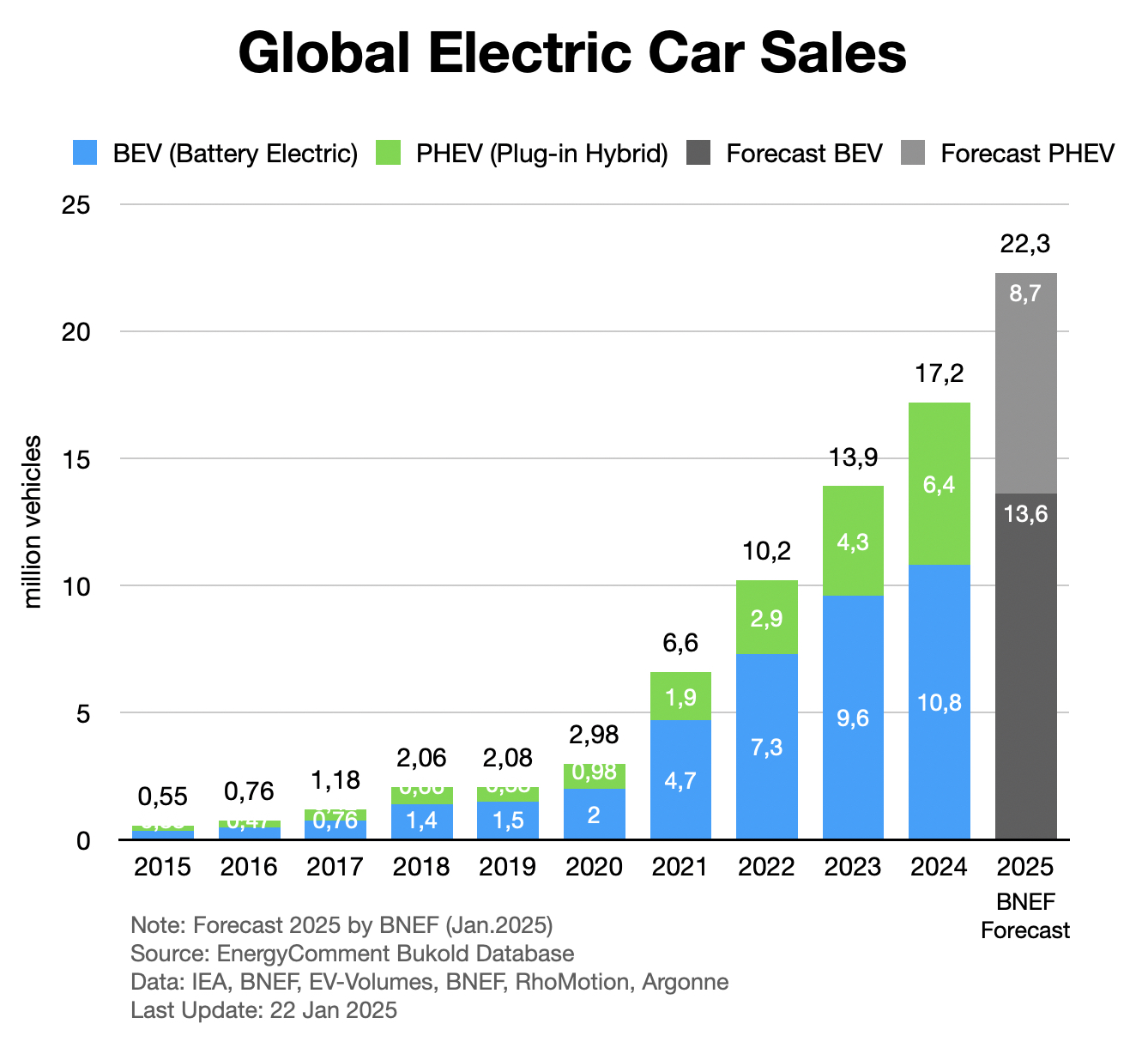
High global oil prices are fundamentally altering the financial calculus for drivers, making electric vehicles (EVs) a more attractive and affordable alternative. According to reporting from the Financial Times and Nikkei Asia, surging fuel costs have triggered record-breaking EV sales across 37 different countries, while data from Our World in Data reveals that one in four cars sold in 2025 was electric.
Why Expensive Oil is Making Electric Vehicles Look Positively Cheap
For years, the primary barrier to widespread electric vehicle adoption was the “sticker shock”—the higher upfront purchase price of an EV compared to a traditional internal combustion engine (ICE) vehicle. However, as the Financial Times notes, expensive oil is shifting the focus from the purchase price to the total cost of ownership. When gasoline prices climb, the daily and monthly operational costs of ICE vehicles spike, while the cost of electricity remains relatively more stable.
This economic pivot means that the “premium” paid at the dealership is recovered much faster through fuel savings. For the average consumer, the decision is no longer just about environmental consciousness; it is a pragmatic financial move to escape the volatility of the oil market. When the cost of filling a tank becomes a significant monthly burden, the long-term savings of an electric drivetrain make the initial investment look positively cheap.
“The financial appeal of electric vehicles is no longer just about subsidies or green incentives; it is increasingly driven by the raw cost of fossil fuels.”
Key economic drivers include:
- Reduced Operational Expenditure: Lower cost per mile when comparing electricity to high-priced gasoline.
- Price Stability: Electricity prices typically fluctuate less violently than global crude oil markets.
- Faster Payback Periods: The time it takes for fuel savings to offset the higher upfront cost of an EV is shrinking.
Global Adoption: Record Sales Across 37 Countries
The shift toward electrification is not limited to a few wealthy nations. Nikkei Asia reports that EV sales have set new records in 37 countries, specifically as consumers flee high gas prices. This indicates that the economic pressure of expensive oil is a global phenomenon, pushing drivers in diverse markets to seek alternatives to petroleum.
This widespread adoption suggests that the “tipping point” for EVs is being reached across different economic tiers. In markets where government incentives were previously the main driver, the sheer cost of fuel has now taken over as the primary catalyst. Consumers are voting with their wallets, opting for electric powertrains to insulate themselves from the unpredictability of oil-producing regions.
| Metric | Finding | Source |
|---|---|---|
| Market Penetration (2025) | 1 in 4 cars sold were electric | Our World in Data |
| Geographic Reach | Record sales in 37 countries | Nikkei Asia |
| Primary Driver | High gas prices / Expensive oil | Financial Times / Nikkei Asia |
The 2025 Milestone: One in Four Cars Sold is Electric
The scale of the transition is best illustrated by recent data from Our World in Data, which found that one in four cars sold in 2025 was electric. Reaching a 25% market share is a critical milestone in the diffusion of new technology. Historically, once a product reaches this level of penetration, it moves from “early adopters” to the “early majority,” signaling that the technology is no longer a niche product but a mainstream standard.
This 25% threshold suggests that the infrastructure—charging stations, battery supply chains, and consumer trust—has reached a level of maturity where a quarter of all new buyers feel confident abandoning the internal combustion engine. When combined with the cost-push factor of expensive oil, this market share represents a structural shift in the automotive industry that is likely irreversible.
As Canary Media suggests, electric cars are effectively starting to take over the world. This “takeover” is the result of a perfect storm: improving battery technology, expanding charging networks, and a hostile pricing environment for gasoline.
Analyzing the Conflict Effect on Electrification
The transition to electric vehicles is not happening in a vacuum. Power Progress highlights a “conflict effect” that is accelerating electrification. Geopolitical instability often leads to supply shocks in the oil market, which causes the exact price spikes that make EVs look cheap.
The “conflict effect” operates on two levels:
- The Immediate Economic Shock: Conflict in oil-producing regions leads to immediate price hikes at the pump, driving consumers toward EVs for immediate cost relief.
- The Strategic Energy Shift: Governments and individuals recognize that reliance on imported oil is a national security vulnerability. Electrification allows countries to diversify their energy sources and rely more on domestically produced electricity (whether from nuclear, wind, solar, or gas).
This means that every time global conflict destabilizes oil supplies, the long-term trajectory of EV adoption is accelerated. The volatility of the fossil fuel market acts as a catalyst, pushing the world toward a more decentralized and electrified energy grid.
For those interested in how this fits into broader energy trends, a related explainer on energy security may provide further context on the move away from petroleum.
Common Misconceptions About the EV Transition
Despite the data, several misconceptions persist regarding the shift to electric mobility. It is important to clarify these points based on current market trends.
“EVs are only for the wealthy”
While high-end models exist, the Financial Times’ analysis suggests that the cost of operating an ICE vehicle is becoming the real luxury. As oil prices remain high, the “cheap” ICE car becomes expensive to own, while the “expensive” EV becomes cheaper to run. This flips the traditional affordability narrative on its head.
“The transition is only happening in China and Europe”
The Nikkei Asia report debunking this by noting record sales in 37 countries. The flight from high gas prices is a global trend, affecting markets far beyond the traditional EV hubs.
“EVs are purely an environmental choice”
While emissions reductions are a key goal, the 2025 data and the “conflict effect” show that the transition is increasingly driven by hard economics and geopolitical necessity. For many, the move to electric is a hedge against inflation and energy instability.
What This Means for the Automotive Industry
The convergence of high oil prices and 25% market penetration puts immense pressure on traditional automakers. Companies that have been slow to pivot away from internal combustion engines are now facing a consumer base that views gasoline as a liability. The “conflict effect” ensures that this pressure is not a temporary dip but a permanent shift in demand.
Automakers are now forced to accelerate their electrification timelines not just to meet regulatory mandates, but to avoid losing market share to competitors who can offer lower total cost of ownership. The industry is moving from a period of “experimentation” with EVs to a period of “mass migration.”
The ripple effects extend beyond the cars themselves to the energy sector. As one in four new cars becomes electric, the demand for grid upgrades and smart-charging infrastructure becomes an urgent economic priority rather than a future goal.
Frequently Asked Questions
Why is expensive oil making EVs look cheaper?
According to the Financial Times, while EVs may have a higher initial purchase price, the high cost of gasoline increases the daily operating expenses of traditional cars. This makes the long-term fuel savings of an EV more significant, reducing the time it takes to recoup the initial investment.
How many countries are seeing record EV sales?
Nikkei Asia reports that EV sales have set records in 37 countries, largely driven by consumers seeking to avoid high gas prices.
What percentage of cars sold in 2025 were electric?
Data from Our World in Data indicates that one in four cars sold in 2025 was electric, representing a 25% market share.
What is the “conflict effect” in electrification?
As highlighted by Power Progress, the “conflict effect” refers to how geopolitical instability and conflict lead to oil supply shocks and price volatility, which in turn accelerates the transition to electric vehicles for both economic and energy security reasons.
Are EVs taking over the global market?
Canary Media suggests that electric cars are starting to take over the world, a claim supported by the 25% global sales share in 2025 and record-breaking adoption across dozens of countries.
