
Retinal Cameras to Rotate Among 27 Communities for Crucial Eye Screenings in Northwest Ontario
A mobile health initiative is deploying retinal cameras across 27 communities in Northwest Ontario to provide critical diagnostic imaging for remote residents. This rotation enables the early detection of sight-threatening conditions in populations that typically lack consistent access to specialized ophthalmology services, according to regional healthcare reports.
How the Retinal Camera Rotation Serves Northwest Ontario
The deployment of retinal cameras across 27 distinct communities represents a strategic shift toward decentralized diagnostic care. Rather than requiring patients to travel hundreds of kilometers to urban centers for basic screenings, the technology moves to the patient. This rotation ensures that high-resolution imaging of the back of the eye is available on a scheduled basis within local health hubs.
According to regional health guidelines, the primary goal is to identify ocular pathologies before they cause irreversible vision loss. By rotating the equipment, health authorities can maximize the utility of a limited number of cameras, ensuring that no single community is left without access due to equipment costs or staffing shortages.
- Scope: 27 remote and semi-remote communities.
- Technology: Digital retinal cameras capable of capturing the fundus (the interior surface of the eye).
- Method: A rotating schedule where equipment is moved between sites to provide periodic screening windows.
Why Early Retinal Screening is Critical for Remote Populations
Retinal screenings are not merely routine check-ups; they are diagnostic tools for systemic diseases. In Northwest Ontario, where chronic conditions such as diabetes are prevalent, the stakes for eye health are particularly high. Many sight-threatening conditions are asymptomatic in their early stages, meaning a patient may feel their vision is perfect while permanent damage is occurring.
Diabetic Retinopathy and Vision Loss
Diabetic retinopathy is a primary target of these screenings. According to medical literature, high blood sugar levels can damage the tiny blood vessels in the retina, leading to leakage or the growth of abnormal new vessels. If left undetected, this can lead to macular edema or retinal detachment. Because these changes often happen without warning, the “Retinal cameras to rotate among 27 communities for crucial eye screenings – Northwest Ontario News” initiative targets high-risk diabetic patients specifically.
Glaucoma and Macular Degeneration
Beyond diabetes, the cameras allow for the screening of glaucoma—a group of diseases that damage the optic nerve—and age-related macular degeneration (AMD). Early detection of glaucoma allows for the prescription of pressure-lowering drops that can save a patient’s sight. Without the ability to image the optic disc via a retinal camera, these conditions often go unnoticed until the patient experiences “tunnel vision” or central blind spots.
“Early detection is the only way to prevent permanent blindness in cases of diabetic retinopathy and glaucoma. Moving the technology into the community removes the primary barrier to care: distance.”
Overcoming Geographical Barriers to Healthcare
The geography of Northwest Ontario presents a significant challenge to healthcare equity. For many residents in the 27 targeted communities, a visit to an ophthalmologist requires air travel or long-distance drives to hubs like Thunder Bay. This “travel burden” often results in patients skipping preventative screenings, only seeking help when an emergency occurs.
By implementing a rotating camera system, the healthcare model shifts from reactive care to preventative care. The rotation model addresses three specific barriers:
- Transportation Costs: Eliminates the need for expensive patient transport for initial screenings.
- Time Constraints: Reduces the time patients must take away from work and family to visit a city clinic.
- Systemic Overload: Reduces the number of unnecessary referrals to urban specialists, as only those with abnormal scans need to travel for treatment.
This approach aligns with broader trends in “mHealth” (mobile health) and tele-ophthalmology, where images are captured locally and transmitted digitally to a specialist for interpretation. This ensures that while the camera is in a remote community, the expertise of a city-based surgeon or optometrist is still applied to the diagnosis.
The Technical Process: From Image Capture to Diagnosis
The process of a community retinal screening is streamlined to ensure high throughput and accuracy. Unlike a full comprehensive eye exam, which requires an optometrist to be physically present with a wide array of tools, retinal imaging can be performed by trained technicians or nurses.
Step-by-Step Screening Workflow
The workflow for the rotating cameras typically follows a specific clinical path to ensure no patient falls through the cracks:
| Stage | Action | Responsibility |
|---|---|---|
| Patient Intake | Identification of high-risk individuals (e.g., diabetics). | Local Clinic Staff |
| Imaging | Non-invasive capture of retinal images. | Trained Technician |
| Transmission | Digital upload of images to a secure cloud/server. | IT/Health System |
| Review | Analysis of images for pathology. | Ophthalmologist/Optometrist |
| Follow-up | Notification of results and referral if needed. | Primary Care Provider |
Because the cameras are non-invasive, they do not require the dilation of the pupil in all cases, which makes the process faster and more comfortable for the patient. The images are then reviewed asynchronously, meaning the specialist does not need to be online at the moment the photo is taken.
Comparing Mobile Screening to Traditional Clinical Models
To understand the impact of the “Retinal cameras to rotate among 27 communities for crucial eye screenings – Northwest Ontario News” project, it is helpful to compare it to the traditional model of care used in rural Canada.
In the traditional model, the patient is the “mobile” element. In the new model, the technology is the “mobile” element. This shift fundamentally changes the patient’s relationship with preventative health. When the screening comes to the community, the psychological barrier to participation drops significantly. People are more likely to attend a 15-minute appointment at their local clinic than a full-day excursion to a distant city.
Furthermore, the rotating model allows for “batching” of care. Health authorities can screen a large percentage of a community’s high-risk population in a single week, creating a comprehensive health snapshot of that community that would take years to achieve through individual referrals.
For more information on how remote healthcare is evolving, see our related explainer on tele-health integration in rural Canada.
Potential Challenges and Long-Term Implications
While the rotation of retinal cameras is a significant step forward, it is not without operational challenges. The reliability of the program depends on several critical factors:
Digital Infrastructure
High-resolution retinal images are large files. For the system to work, the 27 communities must have sufficient internet bandwidth to upload these images to specialists. In some of the most remote parts of Northwest Ontario, satellite latency can slow the process, necessitating a “store-and-forward” system where images are saved locally and uploaded when a stable connection is available.
Continuity of Care
A screening is only as good as the follow-up. If a camera detects a retinal tear or advanced glaucoma in a remote patient, the system must have a clear, funded pathway to get that patient to a surgeon. The screening identifies the problem, but the traditional barriers to treatment (travel and cost) still exist for the actual intervention.
Staff Training
The quality of the image depends on the person operating the camera. If the image is blurry or improperly centered, the specialist cannot make an accurate diagnosis. This requires ongoing training for the rotating staff to ensure that the data being sent to the city is clinically viable.
Public Health Impact and Future Outlook
The long-term success of this initiative will likely be measured in “years of sight saved.” By catching diabetic retinopathy in the “non-proliferative” stage, doctors can manage the condition through blood sugar control and early laser treatments, preventing the “proliferative” stage where blindness becomes a high risk.
This model serves as a blueprint for other diagnostic services. If retinal cameras can rotate successfully, similar models could be applied to other portable diagnostic tools, such as mobile ultrasound or advanced cardiac screening, further reducing the dependency on urban medical hubs.
The integration of this program into the permanent health strategy of Northwest Ontario suggests a move toward a “hub-and-spoke” model. The urban centers remain the hubs for surgery and complex care, while the rotating technology acts as the spokes, extending the reach of the specialists into the furthest corners of the region.
Frequently Asked Questions
What exactly is a retinal camera?
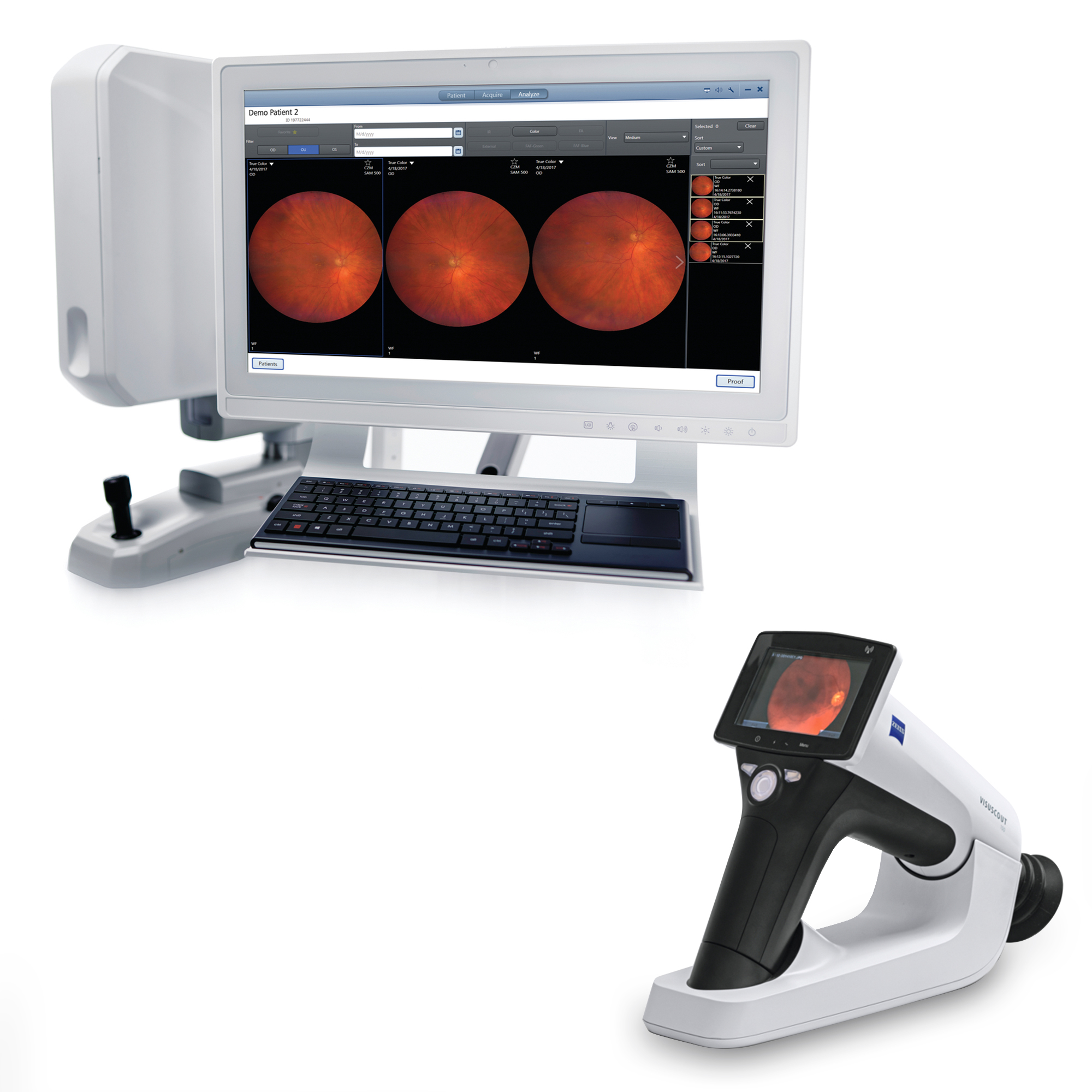
A retinal camera is a specialized digital camera that takes high-resolution photographs of the fundus, which is the interior surface of the eye. It allows doctors to see the retina, optic disc, and blood vessels without having to perform invasive surgery.
Who should get a retinal screening?
While anyone can benefit, these screenings are crucial for individuals with diabetes, people with high blood pressure (hypertension), those with a family history of glaucoma, and older adults who may be at risk for macular degeneration.
Is the procedure painful?
No. Retinal imaging is non-invasive. The patient simply looks into the camera lens while a flash takes the picture. There are no needles or dyes involved in the initial screening process.
How long does it take to get results?
Because the images are transmitted digitally, the turnaround time depends on the specialist’s queue. However, the “store-and-forward” nature of tele-ophthalmology typically allows for results to be returned to the primary care provider within a few days to a few weeks.
Why rotate the cameras instead of giving each community one?
Retinal cameras are expensive to purchase and maintain. Additionally, they require regular calibration. Rotating a few high-quality machines ensures that the equipment is well-maintained and that the technicians operating them are experienced and consistent across all 27 communities.
The deployment of these tools marks a critical intersection of technology and geography. By prioritizing accessibility, Northwest Ontario is addressing a systemic gap in vision care, ensuring that a person’s postal code does not determine whether they keep their sight.
