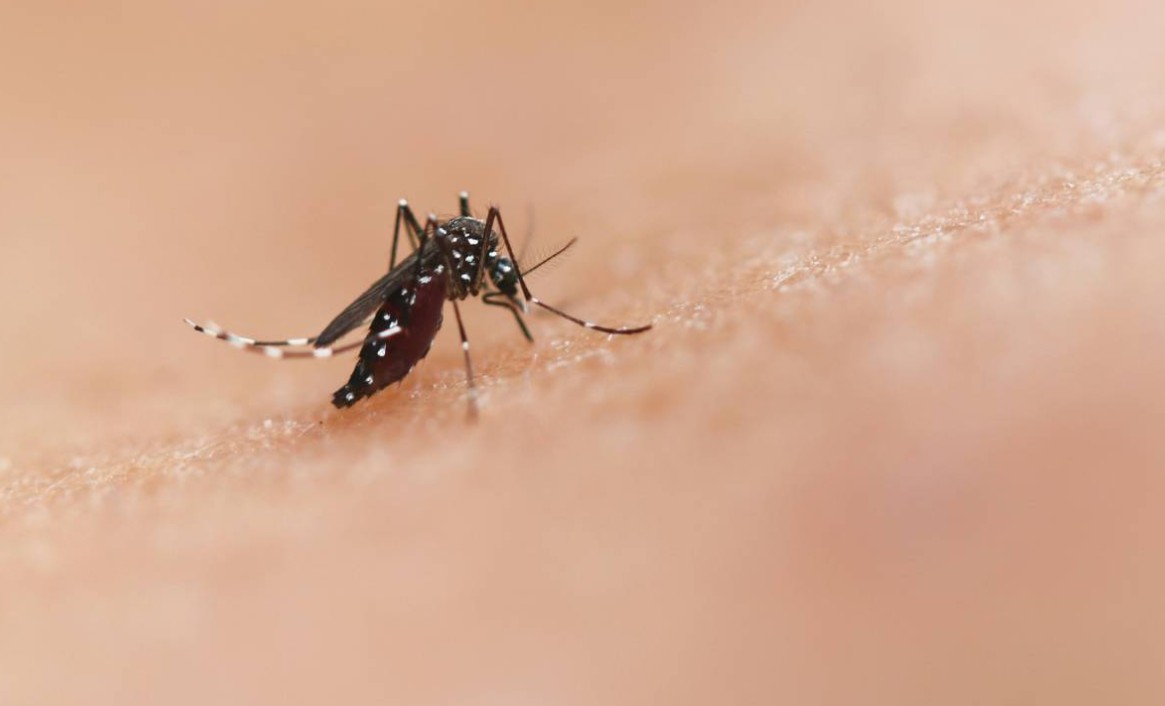
A new study has found that the dengue vaccine TAK-003 demonstrates a favorable safety profile among individuals traveling from regions where dengue is not endemic. The findings, which focus on travelers rather than residents of high-risk areas, add to the growing body of evidence supporting the vaccine’s use in diverse populations.
What the Study Found
The research evaluated the safety of TAK-003 in a cohort of travelers who had not previously been exposed to dengue. Results indicated that the vaccine was well-tolerated, with no significant adverse effects reported. The study’s primary aim was to assess whether the vaccine could be safely administered to individuals from non-endemic regions, a group that may have different immune responses compared to those living in areas where dengue is common.
While the study did not specifically measure the vaccine’s efficacy, the safety data provide reassurance for travelers and healthcare providers considering its use. The findings are particularly relevant as dengue cases continue to rise globally, with increased travel contributing to the spread of the virus.
Context and Implications
Dengue, a mosquito-borne illness, is typically associated with tropical and subtropical regions. However, travelers to these areas are at risk of infection, and the availability of a safe and effective vaccine could play a critical role in preventing outbreaks. The study’s focus on non-endemic populations highlights the importance of expanding vaccination strategies to include travelers, who may inadvertently introduce the virus to new regions.
Health officials have emphasized the need for further research to confirm these findings and to evaluate the vaccine’s long-term safety and effectiveness in different settings. The study also underscores the importance of monitoring vaccine performance in populations with varying levels of prior exposure to dengue.
Limitations and Unanswered Questions
The study’s sample size and duration may limit the generalizability of its findings. As noted in the research, larger and longer-term trials are needed to fully understand the vaccine’s impact on travelers and to address potential gaps in immunity. The study did not explore how the vaccine interacts with other factors, such as pre-existing health conditions or concurrent medications.
Researchers also caution that while the safety profile is promising, the vaccine’s ability to prevent dengue in non-endemic populations remains an area for further investigation. Public health authorities recommend that travelers consult with healthcare providers to determine the best preventive measures based on their individual risk factors.
What’s Next
The study’s authors plan to conduct additional research to assess the vaccine’s effectiveness in broader populations. Future trials may also explore the optimal timing for vaccination and its role in combination with other preventive strategies, such as mosquito control efforts. These steps are critical for ensuring that the vaccine can be effectively integrated into global dengue prevention efforts.
