PUB Investigating Brown Tap Water at Bedok Reservoir Flats; Mains Found Clear
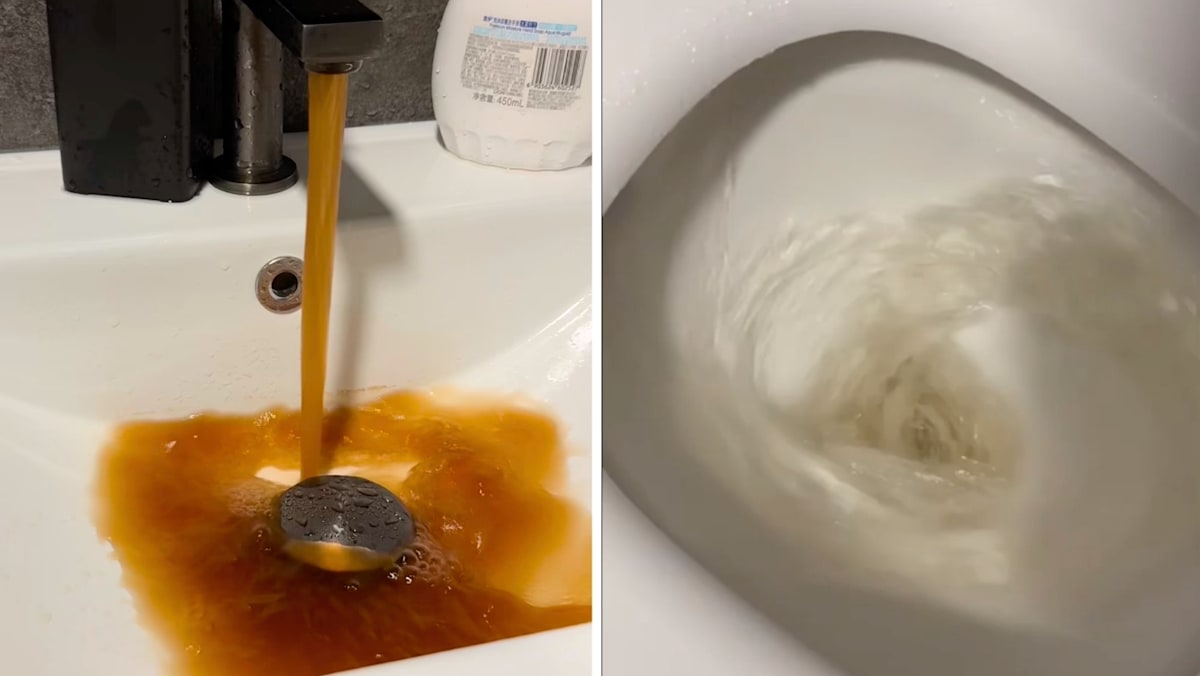
PUB is investigating reports of discoloured, brown tap water at residential flats near Bedok Reservoir. While affected residents reported water resembling black coffee, PUB stated that no water quality issues were detected in the main water pipelines, indicating the contamination may be localized to specific units or internal building plumbing.
What happened at Bedok Reservoir flats?
Residents at flats in the Bedok Reservoir area reported that water flowing from their taps had turned a distinct brown color. According to reports from CNA and The Straits Times, the discoloration was significant enough that one resident described the water as looking like “Kopi o kosong,” a local term for black coffee without sugar or milk.
The reports prompted an immediate response from PUB, Singapore’s national water agency. The agency dispatched teams to the affected area to conduct tests and investigate the source of the discoloration. The primary concern for residents was whether the water remained safe for domestic use and why the discoloration occurred suddenly.
PUB’s initial findings focused on the primary distribution network. The agency confirmed that tests conducted on the water mains—the large pipes that transport water from treatment plants to neighborhoods—showed no signs of contamination or quality degradation. This distinction is critical because it suggests the issue did not originate from the city’s centralized water supply but occurred closer to the point of consumption.
Why is tap water brown if the mains are clear?
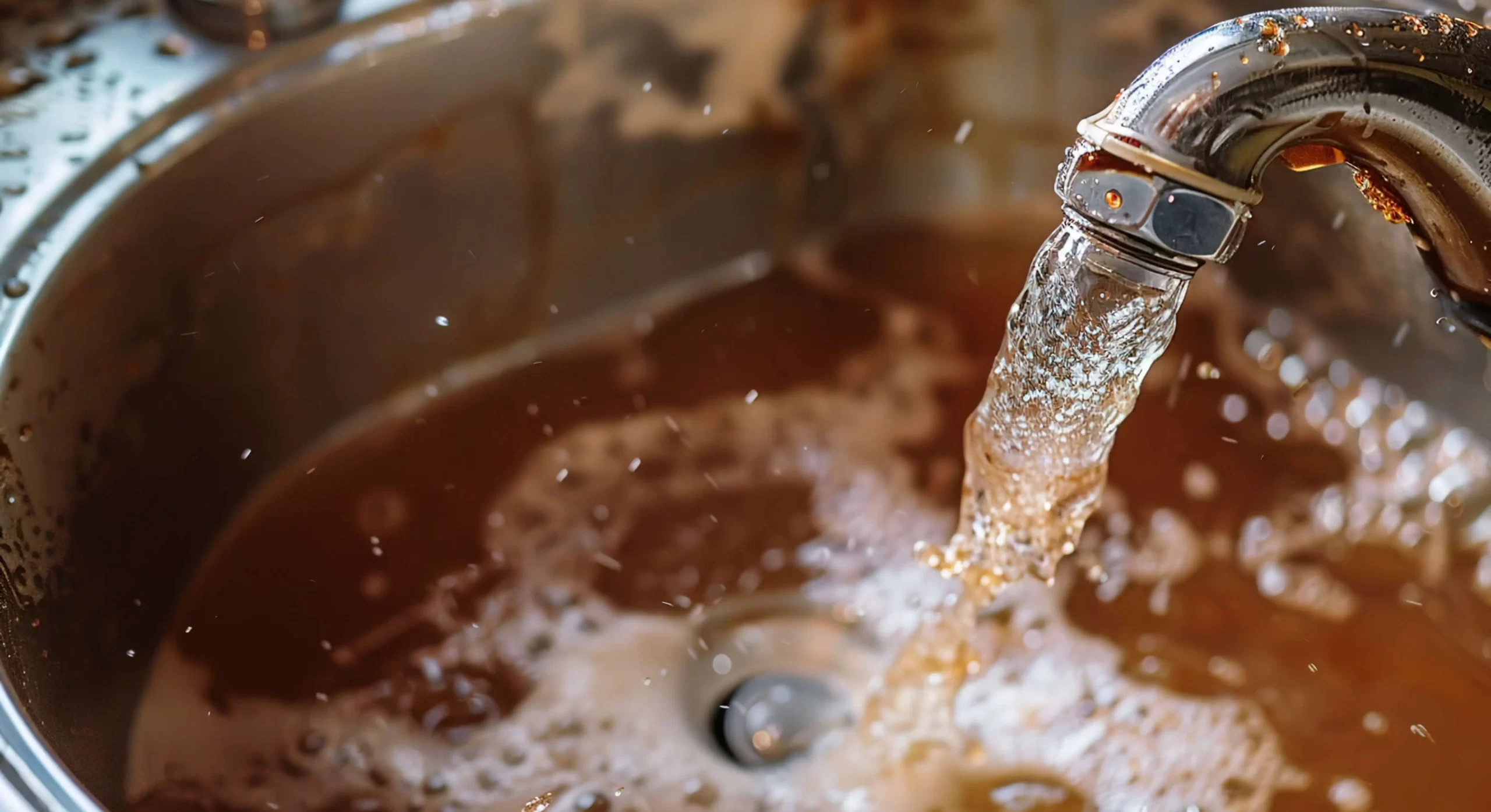
When a national water agency reports that “mains are clear” despite residents seeing brown water, the cause usually lies in the distribution path between the main street pipe and the individual tap. According to technical standards for urban water systems, brown water is typically caused by the presence of iron oxide (rust) or accumulated sediment.
Several factors can trigger the release of these particles into the water stream:
- Pipe Corrosion: Older galvanized iron pipes can rust over time. When the internal lining of these pipes degrades, small flakes of rust break off and enter the water flow.
- Pressure Fluctuations: A sudden change in water pressure—caused by a nearby pipe burst, maintenance work, or a sudden increase in demand—can stir up sediment that has settled at the bottom of the pipes.
- Water Main Flushing: When PUB performs routine maintenance or “flushing” of the mains to remove sediment, the resulting turbulence can occasionally push particles into the service pipes of nearby buildings.
- Internal Plumbing Issues: In some cases, the issue is restricted to the internal plumbing of a specific housing block or an individual unit, meaning the water is clean until it enters the building’s private piping system.
“The presence of brown water, while visually alarming, is often the result of iron oxide particles being disturbed within the piping system rather than a systemic failure of the water treatment process.”
How PUB investigates water quality incidents
The investigation process for water discoloration follows a specific protocol to isolate the source of the problem. Based on PUB’s standard operating procedures, the investigation typically moves from the macro level to the micro level.
| Investigation Stage | Action Taken | Goal |
|---|---|---|
| Main Line Testing | Sampling water from the primary distribution mains. | Determine if the entire neighborhood supply is contaminated. |
| Service Pipe Analysis | Testing water at the meter or the building’s entry point. | Identify if the issue is in the street-level service pipes. |
| Internal Plumbing Check | Sampling water from various taps within a block or unit. | Determine if the corrosion is limited to the building’s own pipes. |
| Flushing Operations | Running water through the system at high velocity. | Clear out trapped sediment and restore clarity. |
In the Bedok Reservoir case, the first stage—Main Line Testing—was completed, and the results were negative for quality issues. This narrowed the investigation to the service pipes or the internal plumbing of the affected flats. When PUB identifies that the mains are clear, they typically advise residents to flush their taps to clear any localized sediment.
Comparing systemic vs. localized water issues
To understand the Bedok Reservoir incident, it is helpful to contrast systemic water failures with localized discoloration. A systemic failure would involve the water treatment plant or a major trunk main, affecting thousands of households simultaneously and likely resulting in a widespread alert. A localized issue, like the one reported at Bedok Reservoir, is characterized by “patchy” reports where some units in a block have brown water while neighbors in the same building have clear water.
The framing of this story across different outlets highlights this distinction. While residents’ accounts focus on the visual shock of “Kopi o kosong” water, the official response from PUB emphasizes the technical integrity of the mains. This contrast shows a gap between the user experience (discolored water) and the institutional metric (water quality standards at the source).
If the contamination were systemic, the water would likely fail chemical and biological safety tests. However, rust particles (iron oxide), while causing discoloration and a metallic taste, are generally not considered toxic in small quantities, though they are aesthetically unacceptable and can stain laundry.
What residents should do during water discoloration
When residents encounter discolored water, the immediate goal is to clear the pipes and prevent the use of contaminated water for sensitive tasks. Experts in plumbing and water management suggest the following steps:
Flush the Cold Water Taps
The most effective way to remove localized sediment is to run the cold water tap—preferably the one with the highest flow rate, such as a bathtub or laundry tap—for several minutes. This creates a high-velocity stream that pushes out rust and sediment. Residents should avoid using the hot water tap during this process, as this can pull sediment into the water heater tank.
Avoid Using Washing Machines
Brown water contains iron particles that can permanently stain white or light-colored clothing. Residents are advised to wait until the water runs clear before starting laundry cycles.
Check Multiple Taps
By checking taps in different rooms, residents can determine if the issue is limited to one pipe (suggesting a problem with a specific fixture) or affecting the whole home (suggesting a problem with the building’s incoming supply). This information is valuable when reporting the issue to PUB or building management.
Report the Incident
Prompt reporting allows agencies to map the extent of the problem. If multiple units in one “stack” of a flat report the same issue, it points toward a problem with the vertical riser pipe for that specific line of units.
The impact of aging infrastructure on urban water
The Bedok Reservoir incident underscores a broader challenge faced by many maturing cities: the management of aging infrastructure. Even with a world-class water treatment system, the “last mile” of delivery—the pipes inside old buildings—is often the weakest link.
In Singapore, while the national mains are regularly upgraded and replaced, the internal piping within older HDB flats is often the responsibility of the building’s management or the owner. Over decades, the interaction between water and metal pipes leads to inevitable oxidation. This is why a resident may experience brown water even when the national grid is operating perfectly.
To mitigate this, the government and PUB have implemented various pipe replacement programs over the years. However, the transition from galvanized iron to more durable materials like copper or HDPE (High-Density Polyethylene) is a gradual process. Until all internal piping is modernized, localized discoloration events remain a possibility in older estates.
Frequently Asked Questions
Is brown tap water safe to drink?
According to general water safety guidelines, brown water caused by rust (iron oxide) is typically not toxic, but it is not recommended for consumption due to the taste, smell, and potential for other sediments to be present. Residents should wait for the water to run clear or use bottled water until the agency confirms the water is safe.
Why did PUB say there were no issues in the mains if my water is brown?
This means the water leaving the main city pipes is clean. The discoloration is happening after the water leaves the main pipe—either in the smaller service pipe leading to your building or within the pipes inside your walls. The problem is localized, not systemic.
How long does it take for the water to clear after flushing?
In most cases, running a tap for 5 to 15 minutes is sufficient to clear localized sediment. If the water remains brown after extensive flushing, it may indicate a more significant blockage or a continuing leak in the service line that requires professional repair.
Can brown water damage my home appliances?
Yes, sediment and rust can clog the filters in washing machines, dishwashers, and water purifiers. It can also accumulate in water heaters, reducing their efficiency. It is best to turn off these appliances until the water supply is clear.
Who is responsible for fixing the pipes if the mains are clear?
If the issue is in the main distribution network, PUB is responsible. If the issue is within the building’s internal plumbing or the individual unit’s pipes, the responsibility typically falls to the Town Council or the homeowner, depending on the specific property laws and management agreements.
