
A Kosovo-Albanian novelist’s new work, L’Heure de la vache, is exposing the deep historical roots of Balkan violence through a literary lens that challenges conventional narratives of the region’s conflicts.
Pajtim Statovci’s debut novel, published this year, traces the origins of ethnic tensions in Kosovo back to the Ottoman era, arguing that modern-day divisions were forged centuries ago. The book’s title—a French phrase meaning “the hour of the cow”—serves as a metaphor for the slow, inevitable clash of identities in the Balkans, where cattle raids and land disputes under Ottoman rule set the stage for later ethnic cleansings.
Why This Book Matters in the Balkans
The novel arrives at a moment when Kosovo’s fragile independence—recognized by 113 U.N. member states but still contested by Serbia—remains a flashpoint in European security. Statovci, who grew up in Kosovo during the 1998–99 war, draws on family stories and archival research to dismantle the idea that Balkan violence began with Cold War proxy conflicts or even Yugoslav fragmentation. Instead, he frames it as a continuum of unresolved grievances stretching back to the 15th century.
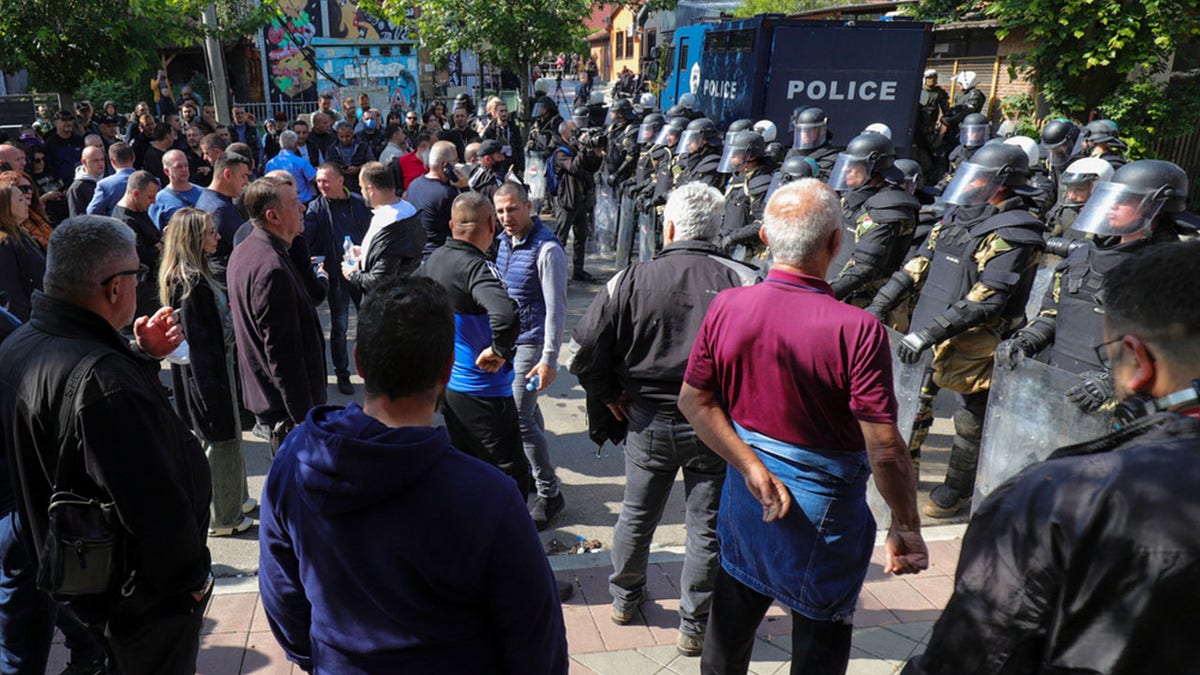
“The Balkans were never a blank slate,” Statovci told Swiss daily Le Temps. “Every war here has been a reactivation of old wounds, not the creation of new ones.” His argument resonates in a region where historical memory is often weaponized: Serbia’s government has long portrayed Kosovo’s Albanians as latecomers to the land, while Kosovo’s leaders emphasize their centuries-old presence.
Literature as a Tool for Reconciliation—or Division?
Critics and scholars say the book’s historical depth could either bridge divides or deepen them. In Serbia, where Statovci’s work has been met with skepticism, some historians argue his focus on Ottoman-era conflicts downplays the role of 20th-century Yugoslav policies in fueling ethnic divisions. Meanwhile, in Kosovo, where the novel has been praised for its unflinching portrayal of Albanian suffering under Serbian rule, others warn that revisiting old grievances could hinder reconciliation efforts.

A professor of Balkan studies at the University of Belgrade, Dr. Milan Petrović, noted that Statovci’s approach risks oversimplifying complex power dynamics. “The Ottomans were not the only architects of Balkan identity,” Petrović said. “The Habsburgs, the Nazis, and Tito all played roles in shaping how these communities see themselves today.”
A Work That Transcends Fiction
Beyond its literary merit, L’Heure de la vache has sparked debates among policymakers. The European Union, which has invested heavily in Kosovo’s post-war stabilization, has cautiously welcomed the novel as a contribution to “historical clarity”—a phrase officials use to describe efforts to move past divisive narratives. Yet in Brussels, diplomats acknowledge privately that books like Statovci’s rarely change entrenched positions.

The novel’s release coincides with a resurgence of tensions over Kosovo’s sovereignty. In February, Serbia’s parliament passed a resolution rejecting Kosovo’s independence, while Kosovo’s government has accelerated efforts to join international organizations like Interpol. Statovci’s work, then, arrives at a time when the region’s past is once again being weaponized in its present.
What Happens Next for the Balkans’ Historical Narratives?
Statovci has no plans to stop at fiction. He is currently researching a nonfiction follow-up that will examine how Ottoman-era land disputes were later exploited by Yugoslav leaders to justify ethnic separation. Whether such work will shift public opinion remains unclear—but in a region where history is often the only currency that matters, even a novel can become a battleground.
