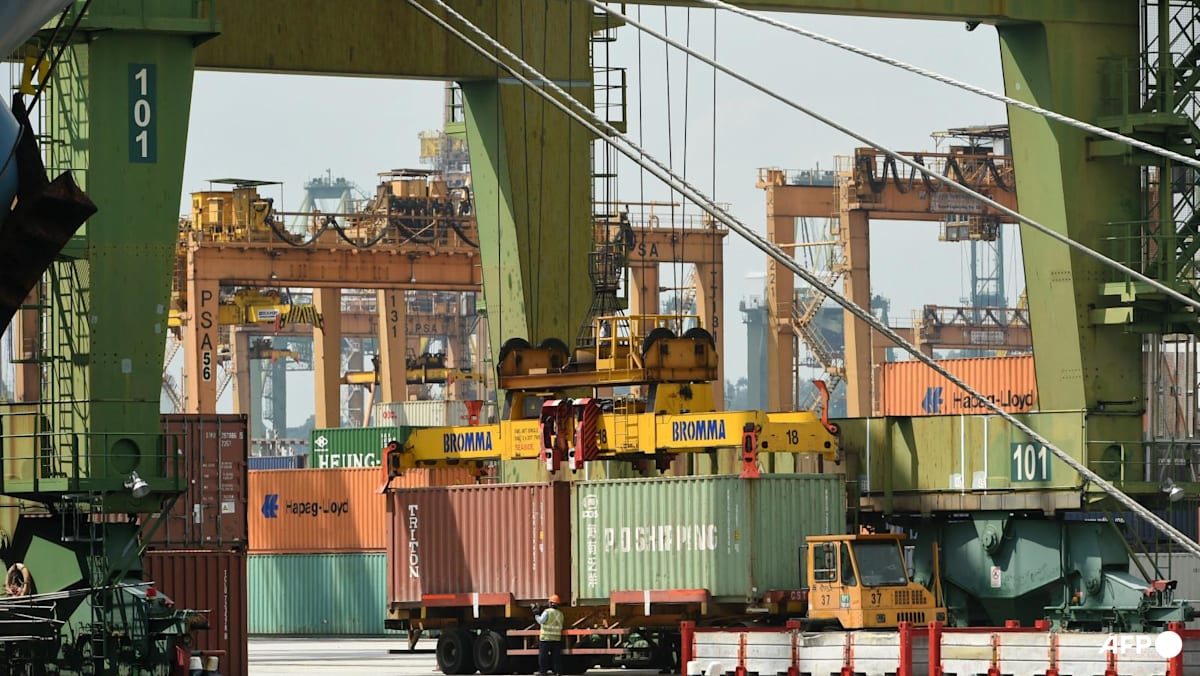
PSA Pays Fine for 2017 Keppel Terminal Worker Death While Appealing Verdict and Sentence
PSA has paid a court-mandated fine following a 2017 fatal accident at Keppel Terminal but is simultaneously appealing both the guilty verdict and the sentence, according to court records. The company is contesting the legal finding that it failed to ensure the safety of the worker who died during operations at the terminal.
What happened in the Keppel Terminal fatality case?
The legal proceedings stem from a workplace accident that occurred in 2017 at the Keppel Terminal. A worker lost his life during the course of operations, leading to an investigation by the Ministry of Manpower (MOM) into whether safety protocols were breached. Following the investigation, PSA was charged under the Workplace Safety and Health (WSH) Act.
The court previously found PSA guilty of failing to take the necessary measures to ensure the safety of the employee. This conviction resulted in a financial penalty. While PSA has complied with the immediate requirement to pay the fine, the company has filed an appeal to challenge the court’s decision on both the conviction and the amount of the penalty.
Key facts regarding the case include:
- Incident Date: 2017
- Location: Keppel Terminal, Singapore
- Legal Framework: Workplace Safety and Health (WSH) Act
- Current Status: Fine paid; appeal pending
Why is PSA appealing the guilty verdict and sentence?
PSA’s decision to appeal indicates a disagreement with the lower court’s interpretation of the facts or the application of the law regarding the 2017 incident. In corporate safety cases, appeals typically center on whether the company exercised “due diligence” or if the accident was the result of an unforeseeable event rather than systemic negligence.
By appealing the verdict, PSA is seeking to have the conviction overturned entirely. By appealing the sentence, the company is questioning whether the fine imposed was proportionate to the offense or consistent with previous legal precedents for similar industrial accidents. Under Singapore law, paying a fine does not preclude a defendant from appealing the conviction; the payment often serves to satisfy the immediate court order while the legal challenge proceeds through the higher courts.
| Action Taken | Legal Implication |
|---|---|
| Payment of Fine | Compliance with the initial sentencing order to avoid immediate default. |
| Appeal of Verdict | Challenge to the finding of guilt; seeks to clear the company’s record. |
| Appeal of Sentence | Challenge to the severity or appropriateness of the financial penalty. |
Understanding the Workplace Safety and Health (WSH) Act
The charges against PSA fall under the Workplace Safety and Health Act, the primary legislation governing occupational safety in Singapore. The Act places a “duty of care” on employers and occupiers of workplaces to ensure that no person is exposed to risks to their safety or health.

According to the WSH Act, the responsibility is not merely to have safety manuals in place but to ensure that these measures are effectively implemented and supervised. When a fatality occurs, the Ministry of Manpower investigates whether the employer failed to:
- Conduct adequate risk assessments for the specific task being performed.
- Provide necessary safety equipment or protective gear.
- Ensure workers were sufficiently trained for the hazards of the environment.
- Implement a safe system of work (SSOW) to prevent accidents.
In the case of PSA pays fine over worker’s death at Keppel Terminal in 2017, but appeals guilty verdict and sentence – CNA, the core of the legal battle rests on whether PSA’s safety systems were sufficient at the time of the 2017 accident.
The broader impact of port safety litigation
The port and maritime sector is categorized as a high-risk industry due to the movement of heavy machinery, large cargo containers, and the coordination of multiple subcontractors. A legal challenge by a major operator like PSA can set a precedent for how “reasonable practicability” is defined in industrial safety cases.
Legal experts note that the “reasonable practicability” standard requires a balance between the risk involved and the cost, time, and effort needed to avert that risk. If PSA can prove that the accident occurred despite all reasonable precautions being taken, the appeal could succeed. Conversely, if the higher court finds that there was a clear gap in safety oversight, the conviction will stand.
This case highlights a recurring tension in industrial law: the balance between corporate operational efficiency and the stringent requirements of worker safety. Because port operations are critical to Singapore’s economy, the scrutiny on safety standards at terminals like Keppel is exceptionally high.
Comparison of Corporate Liability in WSH Cases
In Singapore, WSH violations are handled through a tiered system of enforcement. While many minor breaches result in “Stop Work Orders” (SWO) or composition fines, fatalities almost always lead to criminal prosecution in the State Courts.
Compared to smaller contracting firms, larger entities like PSA have more extensive safety departments and documented protocols. However, this also means they are held to a higher standard of accountability, as they possess the resources to implement state-of-the-art safety measures. The appeal in this case examines whether those resources were effectively deployed in 2017.
Timeline of the Legal Process
The progression of this case follows a standard trajectory for industrial fatality litigation in Singapore:
- The Incident (2017): A worker dies at Keppel Terminal; MOM initiates an investigation.
- Investigation and Charging: MOM determines that safety breaches occurred and files charges against PSA.
- Trial and Verdict: The court hears evidence from both the prosecution and the defense, ultimately finding PSA guilty.
- Sentencing: The court imposes a fine based on the severity of the negligence and the company’s prior safety record.
- Payment and Appeal: PSA pays the fine to satisfy the court but files a notice of appeal to challenge the conviction and the penalty.
The case now moves to the higher court, where judges will review the trial transcripts and evidence to determine if the original verdict was legally sound.
Common misconceptions about WSH appeals
There are several common misunderstandings regarding how these legal battles function:
- Misconception: Paying the fine equals admitting guilt.
In many legal jurisdictions, including Singapore, paying a fine is often a procedural requirement of the sentence. It does not waive the right to appeal the underlying conviction. - Misconception: An appeal means the company is ignoring safety.
An appeal is a legal mechanism to ensure the law was applied correctly. It does not necessarily reflect the company’s current safety stance or its commitment to future worker protection. - Misconception: The appeal will automatically erase the record.
The record remains as a conviction until the higher court explicitly quashes the verdict. Until then, the company is legally considered convicted.
For more information on industrial safety standards, you may find a related explainer on Singapore WSH regulations helpful.
FAQ: PSA Keppel Terminal Legal Case
Why did PSA pay the fine if they are appealing the verdict?
Payment of the fine is typically required by the court upon sentencing. Failing to pay can lead to further legal penalties or contempt of court. Paying the fine allows the company to comply with the current order while they seek to have that order overturned through the appeals process.
What happens if PSA wins the appeal?
If the higher court overturns the conviction, the guilty verdict is erased, and the company may be entitled to a refund of the fine paid. If only the sentence is appealed and won, the court may reduce the amount of the fine.
Which law governs the 2017 Keppel Terminal death?
The case is governed by the Workplace Safety and Health (WSH) Act of Singapore, which mandates that employers and occupiers maintain a safe working environment for all employees and contractors.
How long does the appeal process usually take?
The duration varies depending on the court’s calendar and the complexity of the evidence. Industrial appeals can take several months to over a year to reach a final judgment.
Who is responsible for investigating deaths at Singapore ports?
The Ministry of Manpower (MOM) is the primary regulatory body responsible for investigating workplace fatalities and determining whether criminal charges should be filed under the WSH Act.
The outcome of this appeal will provide further clarity on the legal expectations for port operators in Singapore and the threshold for corporate liability in the event of a workplace tragedy. The focus remains on whether the safety measures in place in 2017 met the legal definition of “reasonably practicable.”
