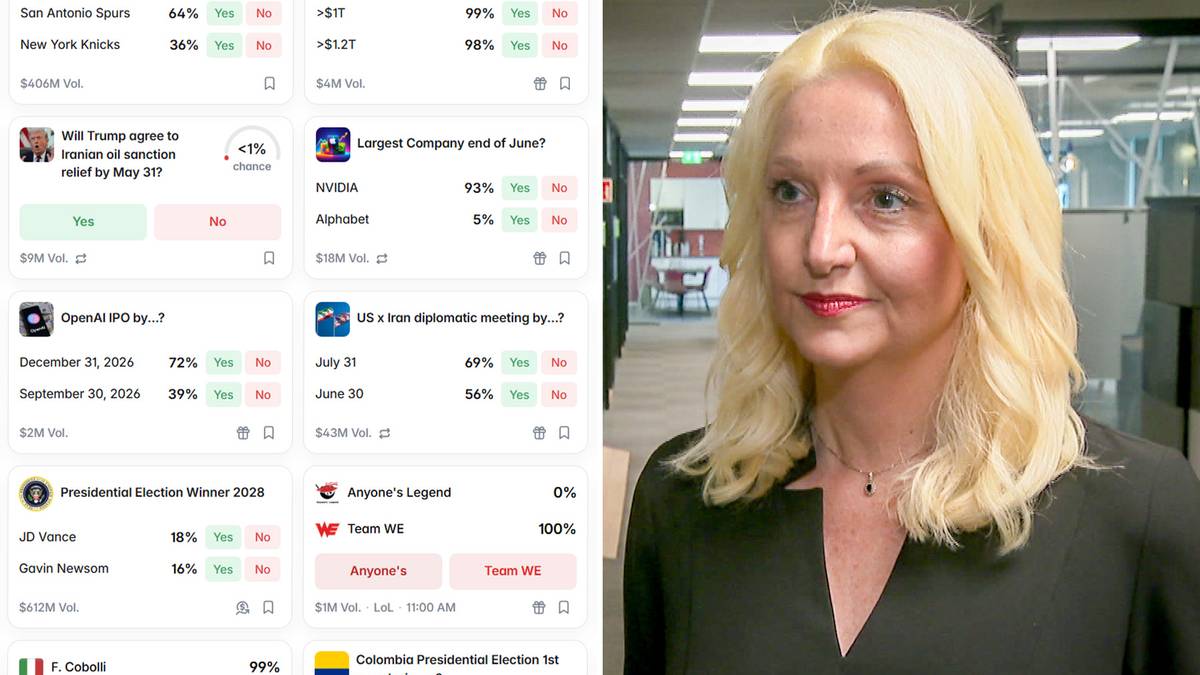
Norway’s financial regulators are sounding the alarm over the explosive growth of prediction markets, warning that their unchecked expansion threatens to destabilize both individual investors and broader economic stability. The call for stricter oversight comes as these speculative platforms—where traders wager on everything from election outcomes to geopolitical events—have surged in popularity, raising concerns about systemic risks and regulatory gaps.
Why Prediction Markets Are Growing at an Unprecedented Pace
According to recent assessments, prediction markets—often dubbed “digital betting halls for the future”—have expanded at a pace that outstrips traditional financial instruments. While proponents argue they democratize access to information and price risks more efficiently than conventional markets, critics warn their rapid proliferation could expose participants to manipulative practices, asymmetric information and financial ruin.
The urgency of the debate was underscored by a statement from Norwegian authorities, who emphasized that the lack of standardized regulations leaves both retail investors and institutional players vulnerable. “These markets are growing at an explosive rate, and without proper safeguards, the consequences could be severe,” the assessment noted, adding that the current regulatory framework is ill-equipped to handle the scale and complexity of modern prediction platforms.
Key Concerns: Manipulation, Addiction, and Systemic Risk
The push for tighter controls stems from three primary risks:
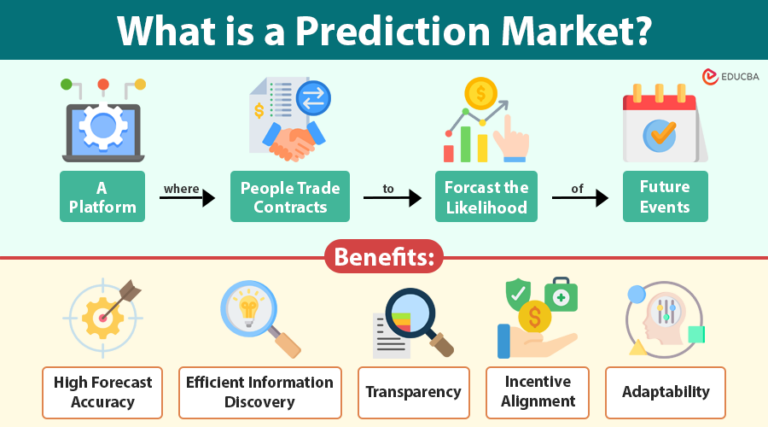
- Market manipulation: The low barriers to entry allow for coordinated efforts to distort prices, particularly in high-stakes events like elections or corporate mergers.
- Behavioral addiction: The gamification of financial speculation—with rewards, leaderboards, and social trading features—has drawn comparisons to gambling, raising ethical questions about vulnerable populations.
- Systemic contagion: The interconnectedness of prediction markets with traditional finance means a major collapse could ripple through global markets, much like the 2008 crisis.
Norwegian officials have not yet proposed specific legislation but have signaled a need for international cooperation. The European Union’s financial watchdogs are reportedly examining similar concerns, though no binding measures have been adopted. Meanwhile, major prediction platforms—some backed by Silicon Valley venture capital—continue to operate with minimal oversight, relying on voluntary compliance with terms of service rather than regulatory oversight.
What Comes Next?
The immediate focus remains on whether Norway will lead a regional push for stricter licensing, disclosure requirements, or capital controls on prediction markets. If implemented, such measures could set a precedent for other European nations grappling with the same challenges. For now, traders and regulators alike are left in a limbo: a high-risk, high-reward ecosystem with few guardrails.
