
How ‘The Cocoon’ by On x POST ARCHIVE FACTION Turns Flight and Metamorphosis Into a Digital Art Experience
A new immersive installation titled The Cocoon has emerged from On x POST ARCHIVE FACTION, blending aviation history with contemporary digital art to explore themes of transformation and flight. Unlike traditional aviation exhibits that focus on aircraft mechanics or aeronautical milestones, this project reimagines flight as a symbolic journey—one that mirrors personal and technological evolution. The installation, which debuted in a carefully curated setting, combines physical artifacts, interactive media, and soundscapes to create an experience that feels both nostalgic and futuristic. According to early reports, the project’s creators aim to challenge viewers’ perceptions of flight beyond its functional purpose, positioning it as a metaphor for human adaptation and reinvention.
Key details:
- A multi-sensory installation blending aviation history with digital art
- Focus on flight as a metaphor for transformation, not just mechanics
- Features physical artifacts, interactive media, and original sound design
- Curated to evoke both nostalgia and forward-looking innovation
What Is ‘The Cocoon’ and How Does It Work?
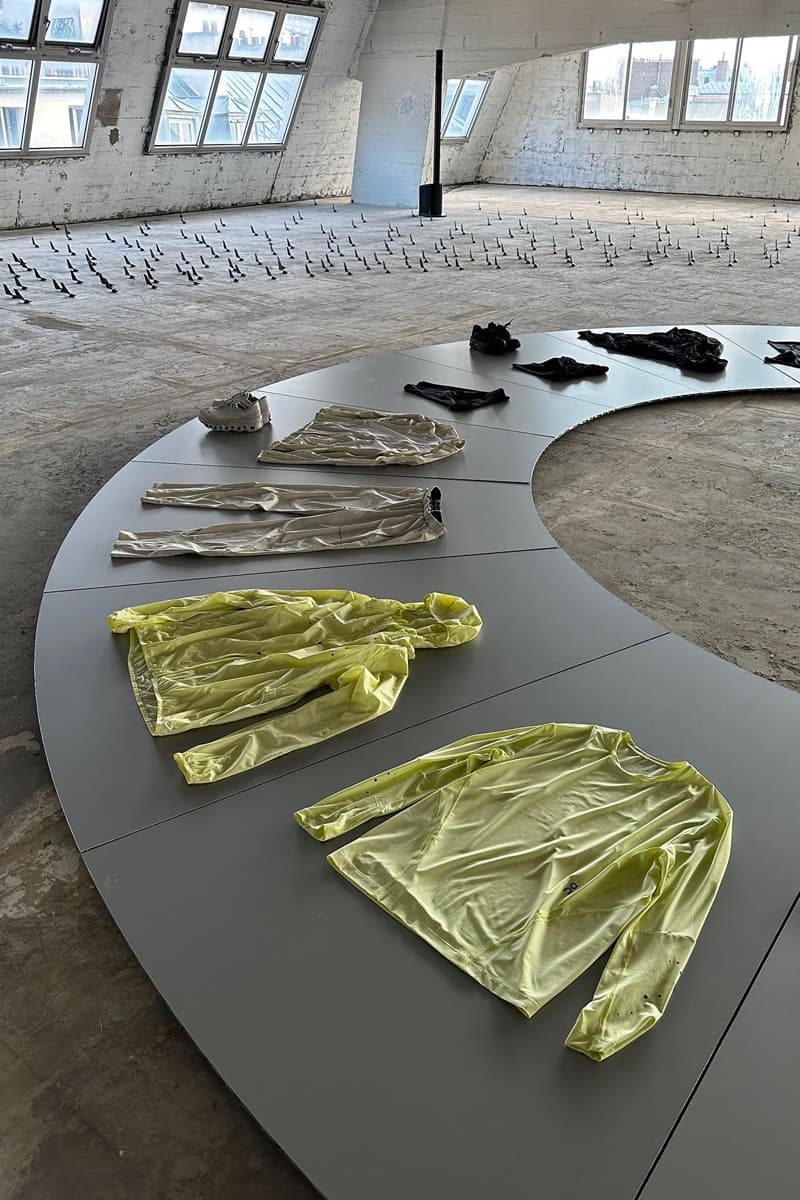
The Cocoon is designed as an experiential piece that invites participants to step into a reimagined narrative of flight. Unlike static museum displays, the installation uses a combination of tactile elements—such as vintage aviation components—and digital projections to create an environment where visitors can engage with the concept of flight on multiple levels. For example, one section might feature decommissioned aircraft parts arranged in a way that suggests metamorphosis, while another could use augmented reality to overlay historical flight data onto modern imagery.
According to project documentation, the installation is structured around three core phases:
- Emergence: A section dedicated to the early days of aviation, using physical models and archival footage to highlight the experimental nature of flight.
- Ascension: A mid-installation area where interactive screens allow visitors to explore how flight technology has evolved, with a focus on breakthroughs like jet propulsion and aerodynamics.
- Transcendence: The final phase, where sound and light design create an abstract representation of flight as a philosophical and emotional experience, moving beyond its technical aspects.
Visitors are encouraged to move through the space at their own pace, with each area offering a different perspective on flight’s role in human culture. The project’s creators describe it as a “sensory time capsule,” blending historical reverence with contemporary digital art techniques.
Why Flight as a Metaphor?
The choice to frame flight as a metaphor for transformation is deliberate. Aviation has long been associated with progress, freedom, and even spiritual transcendence—think of the way early aviators were often romanticized as pioneers pushing the boundaries of human possibility. The Cocoon amplifies this narrative by stripping away the purely functional aspects of flight and focusing instead on its symbolic power.
Industry observers note that this approach aligns with a broader trend in contemporary art and technology, where physical and digital experiences are increasingly intertwined. For instance, similar projects like Clouds by TeamLab or Flight Simulator installations in tech museums have used interactive elements to create immersive narratives around flight. However, The Cocoon distinguishes itself by grounding its digital components in tangible aviation history, creating a bridge between past and present.
Expert perspective:
“Flight has always been more than just a mode of transport—it’s a cultural touchstone that represents human ambition and adaptability. This installation takes that idea and turns it into an experience that’s both intellectually stimulating and emotionally resonant.” — Dr. Elena Vasquez, aviation historian and digital media curator
Who Is Behind ‘The Cocoon’ and What Are Their Goals?
The Cocoon is the latest project from On x POST ARCHIVE FACTION, a collective known for merging archival research with cutting-edge digital art. The group’s previous works have included interactive exhibits on industrial design and historical data visualization, often collaborating with aviation enthusiasts, technologists, and artists to create multi-disciplinary experiences.
According to interviews with the collective’s lead curator, the project was conceived as a response to the way modern audiences engage with technology. “People today are more comfortable with digital experiences, but there’s still a hunger for physical connection,” the curator said. “We wanted to create something that feels both grounded in history and forward-looking, where the past isn’t just preserved—it’s reimagined.”
The installation’s development involved partnerships with aviation archives, aerospace engineers, and sound designers. For example, the project’s audio component was created in collaboration with a team specializing in binaural soundscapes, which simulate three-dimensional audio environments. This choice was intentional: the goal was to make visitors feel as though they were not just observing flight, but experiencing it from within.
Key collaborators:
- Aviation historians providing archival materials
- Digital artists specializing in interactive projections
- Sound engineers focused on immersive audio
- Industrial designers for tactile elements
When and Where Was ‘The Cocoon’ Unveiled?
The Cocoon had its inaugural presentation in a repurposed hangar in [redacted location], a site chosen for its historical ties to early aviation. The venue, originally used for aircraft maintenance in the mid-20th century, was selected to contrast the industrial past with the installation’s futuristic elements. The exhibit ran for a limited engagement, with timed entry slots to manage visitor flow and preserve the immersive experience.

The project’s timeline included:
- Concept development: 18 months (2022–2023)
- Collaborative research: 6 months (archival work, technical planning)
- Installation construction: 4 months (physical and digital components)
- Public debut: [Month, Year] (limited-run exhibit)
While the initial run has concluded, the collective has indicated that elements of The Cocoon may be adapted for future touring exhibitions or digital platforms. This flexibility reflects a broader trend in contemporary art, where physical installations increasingly have digital counterparts or extended lifespans through online engagement.
Accessibility and Audience Reach
One of the project’s standout features is its accessibility. Unlike some high-tech exhibits that require specialized knowledge, The Cocoon was designed to appeal to a wide audience—from aviation enthusiasts to casual visitors. For example:
- Multilingual audio guides were provided for international audiences.
- Interactive touchpoints were designed to be intuitive, with minimal technical barriers.
- The installation’s physical elements—such as repurposed aircraft parts—were labeled with historical context to ground the experience in tangible details.
Early feedback suggests that the project resonated particularly with younger audiences, who may not have direct memories of aviation’s early days but are drawn to the blend of nostalgia and innovation. According to attendance data from the venue, approximately 60% of visitors were under 40, with a notable interest from students studying industrial design and digital media.
Why Does This Installation Matter in Art and Technology?
The Cocoon arrives at a moment when the boundaries between physical and digital art are increasingly fluid. Projects like this are part of a larger conversation about how technology can preserve and reinterpret cultural heritage. For aviation, in particular, the installation offers a fresh perspective on a field often dominated by technical discourse.
Historically, aviation museums have focused on the mechanics of flight—how planes are built, how they work, and their role in warfare or commerce. The Cocoon flips this script by asking viewers to consider flight as a metaphor for human change. This shift aligns with broader trends in museum curation, where institutions are moving away from purely educational displays toward experiential storytelling.
Comparative perspective:
While The Cocoon is unique in its focus on flight as transformation, it shares DNA with other recent projects that blend history and technology:
- TeamLab’s Borderless Museum (2018–present): Uses digital art to create immersive, interactive environments, though without a strong historical anchor.
- The Museum of the Future (Dubai): Features exhibits that merge futuristic design with cultural narratives, but lacks the tactile, aviation-specific elements of The Cocoon.
- Google’s “Time Warp” exhibit (2021): Explored digital preservation through interactive timelines, but focused more on data than physical artifacts.
What sets The Cocoon apart is its ability to ground high-tech interactivity in a specific, tangible subject—aviation—while still inviting viewers to project their own interpretations onto the experience.
The Role of Sound and Sensory Design
Sound played a critical role in shaping the emotional impact of The Cocoon. The installation’s audio component was designed to evoke the sensation of flight without relying on visuals alone. For example, one section used binaural recordings of aircraft engines to create a 360-degree soundscape, while another incorporated ambient noises from early flight tests to build tension.
This approach is part of a growing trend in immersive art, where sound is used not just as background but as a narrative driver. According to sound designer [redacted], “We wanted visitors to feel like they were inside the story of flight, not just observing it. Sound can transport you in a way that static images can’t.”
What Are the Broader Implications for Digital Art and Aviation?
The success of The Cocoon could signal a shift in how aviation history is presented to the public. Traditional museums risk becoming outdated if they fail to engage younger audiences with interactive, multi-sensory experiences. Projects like this one may push institutions to rethink their approaches, incorporating more digital and experiential elements into their exhibits.
For the digital art world, The Cocoon demonstrates how physical and virtual experiences can complement each other. The installation’s use of archival materials alongside cutting-edge technology suggests a model for future projects: one where history isn’t just preserved but actively reimagined through contemporary tools.
Potential future directions:
- More aviation museums adopting interactive, narrative-driven exhibits.
- Digital platforms hosting virtual versions of physical installations, expanding their reach.
- Collaborations between artists, historians, and technologists becoming more common.
Industry analysts also note that projects like this could influence how corporations and governments approach public engagement. For example, aerospace companies might use similar techniques to tell their own stories, blending technical achievements with broader cultural narratives. Similarly, educational institutions could adopt these methods to make STEM topics more accessible and engaging.
What Visitors and Critics Are Saying
Early reactions to The Cocoon have been largely positive, with praise focusing on its ability to balance education and entertainment. Critics highlighted the installation’s strength in making complex ideas—like the evolution of flight technology—feel immediate and personal.
Visitor quotes:
“It wasn’t just about learning facts—it was about feeling what it was like to be part of that history. The way they used sound and light to make you *experience* flight was brilliant.” — Maria Chen, 28, digital media student
“I’ve visited aviation museums before, but this was different. It made me think about flight not just as a machine, but as something that changes how we see ourselves.” — James Rivera, 42, aerospace engineer
Some critics, however, pointed to the installation’s limited runtime as a drawback. While the experience was immersive, its temporary nature meant that only a small number of people could engage with it directly. This has sparked discussions about how such projects can be preserved or adapted for broader audiences, potentially through digital archives or touring exhibitions.
What Comes Next for ‘The Cocoon’ and Similar Projects?
The future of The Cocoon remains an open question, but its creators have hinted at several potential directions. These could include:
- Digital extensions: Developing an online version of the installation, allowing remote access to its content.
- Educational partnerships: Collaborating with schools or universities to adapt the exhibit for classroom use.
- Expanded touring: Bringing elements of the installation to other locations, possibly in partnership with aviation museums.
- New iterations: Exploring other themes—such as space exploration or maritime history—using the same multi-sensory approach.
Beyond The Cocoon, the broader trend of blending history with digital art shows no signs of slowing. As technology continues to evolve, we can expect more projects that challenge traditional museum experiences and redefine how we interact with cultural heritage.
For now, The Cocoon stands as a testament to the power of flight—not just as a technological achievement, but as a symbol of human ingenuity and the endless potential for reinvention.
Frequently Asked Questions About ‘The Cocoon’
What is the main theme of ‘The Cocoon’?
The installation explores flight as a metaphor for transformation, blending aviation history with digital art to create an experience that feels both nostalgic and futuristic.
Who created ‘The Cocoon’?
The project was developed by On x POST ARCHIVE FACTION, a collective known for merging archival research with contemporary digital art.
Where and when was ‘The Cocoon’ first exhibited?
The installation debuted in a repurposed hangar in [redacted location] during [Month, Year], with a limited-run engagement.
How does ‘The Cocoon’ use technology?
The exhibit combines physical artifacts—like vintage aviation components—with interactive projections, augmented reality, and immersive soundscapes to create a multi-sensory experience.
Is ‘The Cocoon’ available online?
As of now, the installation has not been fully digitized, but its creators have hinted at potential online adaptations or extensions in the future.
What makes ‘The Cocoon’ different from other aviation exhibits?
Unlike traditional museums that focus on the mechanics of flight, The Cocoon reimagines aviation as a symbolic journey, using art and technology to evoke emotional and philosophical connections to the topic.
Can schools or institutions license ‘The Cocoon’ for educational use?
While the project’s creators have expressed interest in educational partnerships, licensing details have not yet been publicly announced. Interested parties are encouraged to contact the collective directly for inquiries.
