Polish President Strips Zelensky of Honor After Special Forces Unit’s Renaming – The Washington Post
The Polish president has revoked the highest state honor previously awarded to Ukrainian President Volodymyr Zelenskyy. This decision follows the renaming of a Ukrainian special forces unit after a controversial World War II-era group, according to reports from The Washington Post, the Associated Press, and other international news agencies.
Why the Polish President Revoked the State Honor
The revocation of the medal stems from a deep-seated historical dispute regarding the legacy of Ukrainian nationalist movements during World War II. According to the Associated Press, the Polish president stripped Zelenskyy of the award after a Ukrainian army unit was named after a group described as “notorious” for its actions during the 1940s.
The tension centers on the Ukrainian Insurgent Army (UPA) and the Organization of Ukrainian Nationalists (OUN). These groups are viewed by many in Ukraine as fighters for independence, but the Polish government and historians identify them as perpetrators of ethnic cleansing against Polish populations in the Volhynia and Eastern Galicia regions. This historical friction has periodically strained the relationship between Warsaw and Kyiv, even as the two nations maintain a strategic military alliance against Russian aggression.
The decision to strip the honor serves as a formal diplomatic rebuke. According to the Financial Times, the move signals an “escalating dispute” between the two allies, suggesting that historical grievances can override current geopolitical cooperation when national identity and historical memory are at stake.
| Reporting Outlet | Primary Focus of Coverage | Key Descriptor Used |
|---|---|---|
| The Washington Post | The act of stripping the honor due to unit renaming. | Special forces unit’s renaming |
| Associated Press (AP) | The identity of the WWII group involved. | “Notorious WWII group” |
| Financial Times | The diplomatic strain on the alliance. | “Escalating dispute with ally” |
| BBC / CBS News | The reciprocal action of Zelenskyy returning the award. | “History dispute” |
How President Zelenskyy Responded to the Revocation
President Volodymyr Zelenskyy did not wait for the formal removal process to conclude before taking action. According to reports from the BBC and CBS News, Zelenskyy returned the highest Polish honor after learning it had been revoked.
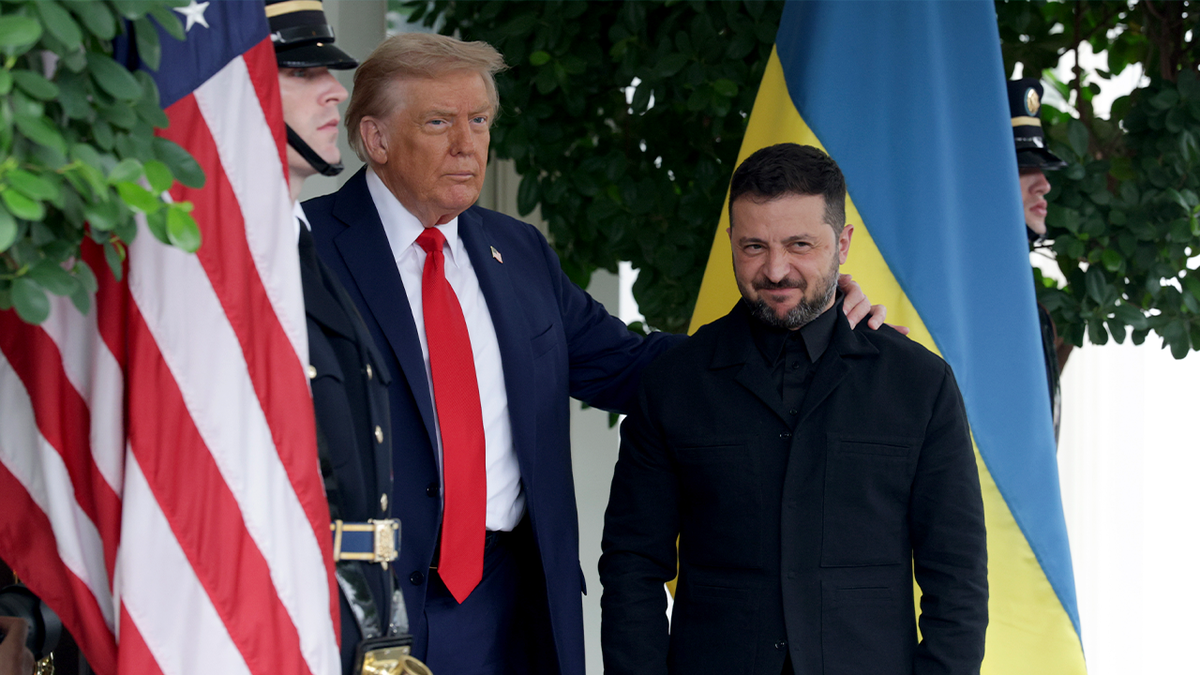
The act of returning the medal is a symbolic gesture of reciprocity. By returning the award, the Ukrainian presidency avoids the appearance of being unilaterally stripped of a title and instead frames the event as a mutual parting of honors. This response underscores the volatility of the current diplomatic climate, where symbolic gestures carry significant weight in the public eye of both nations.
Officials in Kyiv have historically sought to balance the glorification of wartime independence fighters with the need to maintain strong ties with Poland, which has been one of Ukraine’s most critical supporters in terms of arms transfers and refugee hosting. However, the renaming of the special forces unit appears to have crossed a red line for the Polish presidency.
The Historical Context of the WWII Dispute
To understand why a unit name could lead to the revocation of a state honor, one must examine the events of 1943 to 1945. The dispute involves the massacres of Poles in Volhynia and Eastern Galicia, where Ukrainian nationalist forces targeted Polish civilians.
- The Polish Perspective: Poland views these events as a genocide. The Polish state maintains that the UPA committed systemic atrocities against ethnic Poles to clear the land for a future Ukrainian state.
- The Ukrainian Perspective: Many in Ukraine view the UPA as heroes who fought against both Nazi Germany and the Soviet Union to secure Ukrainian sovereignty.
- The Conflict of Memory: The tension arises when the Ukrainian state officially honors figures or groups that Poland considers war criminals.
According to CBS News, this “history dispute” is not a new phenomenon but has resurfaced with intensity as Ukraine seeks to solidify its national identity during the current war. The naming of a special forces unit—an elite arm of the military—after such a group is seen by Warsaw as an official endorsement of those historical actions.
This clash of narratives creates a paradox: Poland provides critical military hardware and logistical support to Ukraine to fight Russia, while simultaneously condemning the historical symbols Ukraine uses to inspire its soldiers.
Diplomatic Implications for the Poland-Ukraine Alliance
The revocation of the honor is more than a symbolic disagreement; it reflects a broader tension in the bilateral relationship. While the military cooperation remains functional, the political relationship is subject to friction over several key issues.
Impact on Military Cooperation
Despite the diplomatic spat, there is no current evidence that the revocation of the medal has halted the flow of weapons or intelligence. The two nations are bound by a shared existential threat from Russia. However, the Financial Times notes that the dispute is “escalating,” which could lead to more frequent diplomatic friction and potentially complicate future bilateral agreements.
Internal Political Pressure in Poland
The Polish president’s decision is likely influenced by domestic politics. The memory of the Volhynia massacres is a potent political issue in Poland. By taking a hard line against the glorification of the UPA, the Polish presidency aligns itself with nationalistic sentiments and the demands of historical memory organizations within Poland.
Ukraine’s Balancing Act
For Zelenskyy, the challenge is to maintain the morale of his troops—who may see these WWII figures as symbols of resistance—without alienating the country that serves as the primary gateway for Western aid into Ukraine. The return of the medal suggests a refusal to apologize for the unit’s renaming, even while acknowledging the Polish president’s decision.
“The dispute over historical memory continues to act as a fault line in an otherwise tight strategic partnership, proving that the ghosts of World War II still influence modern European security.”
Common Misconceptions Regarding the Dispute
Several misunderstandings often arise when this story is reported. Clarifying these points provides a more accurate picture of the event:
- Misconception: The alliance has collapsed.
Correction: The alliance remains intact. The dispute is focused on historical honors and symbolic naming, not on the mutual defense of Ukrainian territory. - Misconception: This is a sudden disagreement.
Correction: This is a decades-old conflict. The renaming of the unit was the catalyst, but the underlying cause is a long-term disagreement over the actions of the OUN and UPA. - Misconception: The medal was returned because of current war policy.
Correction: The dispute is explicitly about historical memory and the naming of a military unit, not about current battlefield strategies or policy disagreements.
Timeline of the Conflict and Revocation
The sequence of events leading to the current diplomatic standoff can be summarized as follows:
- Unit Renaming: A Ukrainian special forces unit is renamed in honor of a WWII-era nationalist group.
- Polish Reaction: The Polish presidency identifies the group as perpetrators of atrocities against Poles and deems the naming unacceptable.
- Revocation: The Polish president officially strips President Zelenskyy of the highest Polish state honor.
- Reciprocation: President Zelenskyy returns the honor to Poland, as reported by the BBC and CBS News.
- Diplomatic Fallout: International outlets, including the Financial Times and The Washington Post, report on the escalating tension between the two allies.
For more information on how regional history impacts current conflicts, see a related explainer on Eastern European border disputes.
Frequently Asked Questions
Why did the Polish president strip Zelenskyy of his honor?
The Polish president revoked the honor because a Ukrainian special forces unit was renamed after a World War II-era group that Poland associates with massacres of ethnic Poles in the Volhynia and Eastern Galicia regions.
What was the specific reason for the renaming of the unit?
While specific internal military reasons for the renaming weren’t detailed in the reports, the unit was named after a nationalist group from WWII, which Ukraine often views as independence fighters and Poland views as war criminals.

Did President Zelenskyy apologize for the unit’s name?
According to the reports from the BBC and CBS News, there was no mention of an apology; instead, Zelenskyy returned the state medal after it was revoked.
Will this stop Poland from sending weapons to Ukraine?
There is currently no indication that this historical dispute has affected the military aid provided by Poland. The strategic necessity of opposing Russian aggression generally outweighs these diplomatic disagreements.
Which WWII group is at the center of this dispute?
Although not named in every headline, the “notorious WWII group” refers to the Ukrainian Insurgent Army (UPA) and the Organization of Ukrainian Nationalists (OUN), groups known for their fight for Ukrainian independence and their role in ethnic cleansing in Polish territories.
The situation remains a delicate balance of power and memory. As Ukraine continues its fight for survival, the pressure to reconcile its national narrative with that of its closest neighbors remains a significant diplomatic challenge. The revocation of the honor serves as a reminder that in Eastern Europe, history is rarely in the past; it is a living part of current political discourse.
