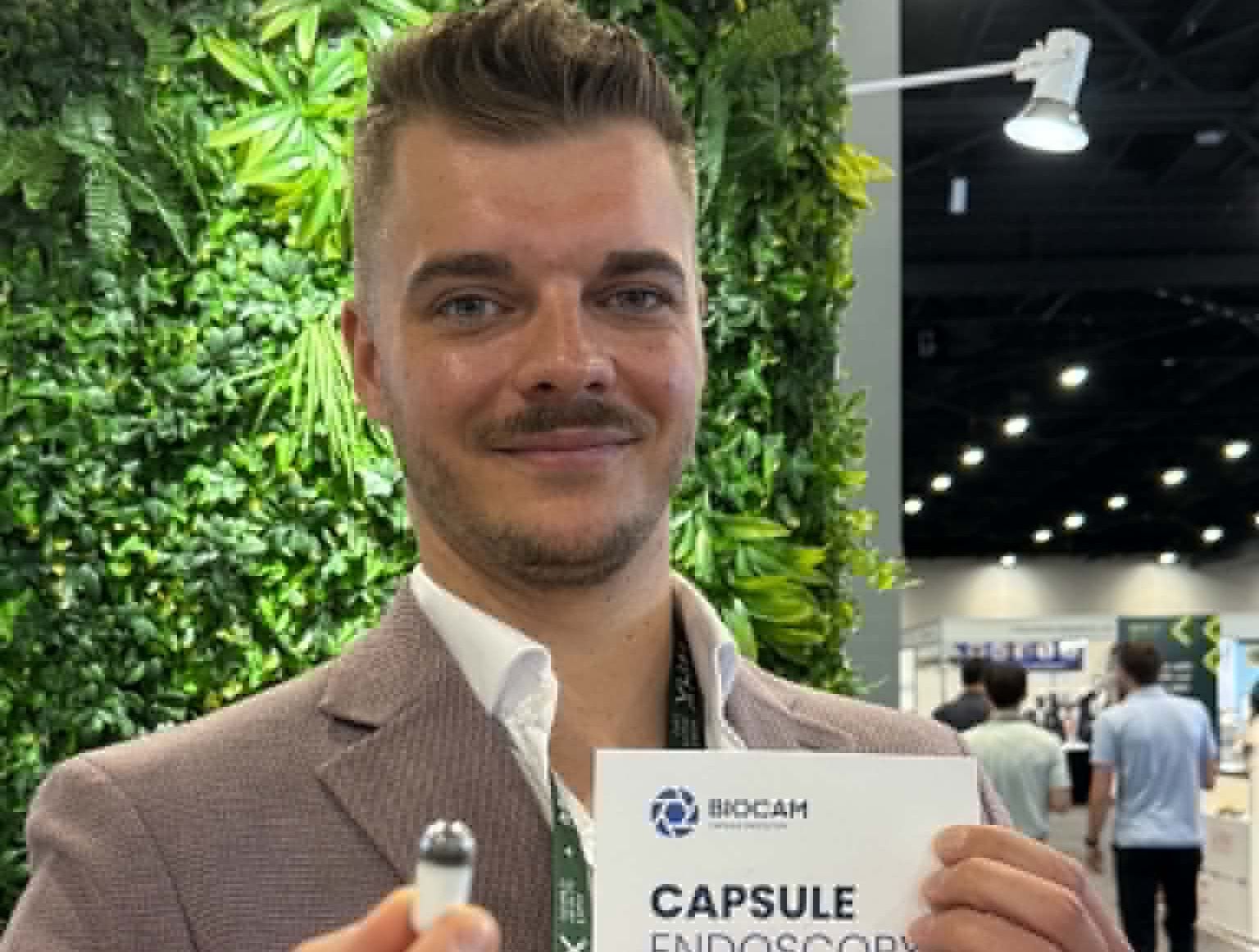
A Polish medical technology company is developing a swallowable capsule to replace traditional gastroscopy, removing the requirement for invasive endoscopic tubes and patient sedation, according to local media reports. The innovation aims to lower healthcare costs and increase patient screening rates by eliminating the physical discomfort associated with traditional endoscopies.
- Technology Shift: Transition from invasive endoscopic tubes to a swallowable imaging capsule.
- Operational Impact: Elimination of the need for anesthesia and dedicated recovery rooms.
- Market Goal: Increasing the volume of early gastric screenings by reducing patient anxiety and discomfort.
Reducing Procedural Costs and Hospital Overhead
Traditional gastroscopy requires a significant allocation of hospital resources, including specialized procedure rooms, the presence of a gastroenterologist, and often an anesthesiologist to administer sedation. According to reports on the development, the capsule-based approach could streamline this process by removing the need for sedation and the subsequent recovery time required for patients to wake from anesthesia.
From a business perspective, this shift reduces the “per-procedure” overhead for healthcare providers. By eliminating the need for sedation-related staffing and recovery beds, clinics can potentially increase patient throughput—the number of patients treated per day—while lowering the operational cost of each individual diagnostic session.
Increasing Market Penetration through Patient Comfort
The primary barrier to widespread gastric screening is patient avoidance. Traditional gastroscopy involves passing a tube through the throat, a process often described by patients as invasive and distressing. According to local media reports, the Polish firm’s capsule is designed to bypass this psychological and physical barrier.

By converting a complex medical procedure into the simple act of swallowing a pill, the company aims to capture a larger segment of the diagnostic market. Higher patient compliance typically leads to earlier detection of gastric issues, which reduces long-term healthcare expenditures by treating conditions before they require expensive, late-stage interventions.
The Shift Toward Non-Invasive Monitoring
The development of this capsule aligns with a broader trend in medical commerce toward non-invasive diagnostics. By moving the point of care away from high-intensity surgical environments and toward simplified clinical settings, the technology allows for more frequent monitoring of high-risk patients.
According to the project details, the capsule captures high-resolution images of the stomach lining as it passes through the digestive tract, providing physicians with the necessary data without the risks associated with invasive intubation. This transition from “procedural” medicine to “diagnostic” monitoring represents a significant shift in how gastrointestinal health is managed and billed within the healthcare system.
