
PM Carney’s Remarks on Iran Conflict and Regional Deal Spark Global Debate
Canadian Prime Minister Justin Carney has made controversial statements regarding the ongoing conflict in Iran, asserting that the war is “worth it” while describing a proposed agreement as a “game changer” for regional stability. These remarks, reported by multiple international outlets, have ignited discussions about the implications of such a stance on diplomatic relations, military strategy, and global security. The comments come amid heightened tensions between Iran and Western nations, with Carney’s position drawing both support and criticism from analysts and political figures worldwide.
The Canadian government has not issued an official statement clarifying the context of Carney’s remarks, but sources close to the administration suggest the comments reflect a broader shift in policy toward Middle Eastern conflicts. This article examines the background of the conflict, the significance of the proposed deal, and the reactions from key stakeholders, offering a comprehensive analysis of the situation.
What Led to PM Carney’s Statement?
The Prime Minister’s remarks emerged during a high-profile address at the United Nations General Assembly, where he outlined Canada’s approach to international conflicts. Carney emphasized the need for decisive action in the face of perceived threats, stating, “The sacrifices made in the Iran conflict have been necessary to prevent greater instability in the region.” This statement, while not explicitly endorsing military action, has been interpreted as a defense of Canada’s role in supporting regional allies.
Carney’s comments follow a series of diplomatic efforts aimed at de-escalating tensions between Iran and its adversaries. A tentative agreement, reportedly under negotiation, seeks to address nuclear proliferation concerns and establish a framework for dialogue. The Prime Minister described the deal as a “game changer,” suggesting it could redefine Canada’s engagement in Middle Eastern affairs.
However, the term “game changer” has raised questions about the deal’s specifics. According to a senior Canadian foreign affairs official, the agreement would involve “comprehensive verification mechanisms and sanctions relief for Iran in exchange for transparency in its nuclear program.” The official added that the deal is still in its early stages, with negotiations expected to continue over the next several months.
Who Is Involved in the Conflict and the Proposed Deal?
The Iran conflict involves multiple international actors, including the United States, Israel, and regional powers such as Saudi Arabia and the United Arab Emirates. Canada’s role has been primarily diplomatic, with the country providing humanitarian aid and supporting multilateral efforts to resolve the crisis. Carney’s recent statements, however, signal a potential shift toward a more active stance.
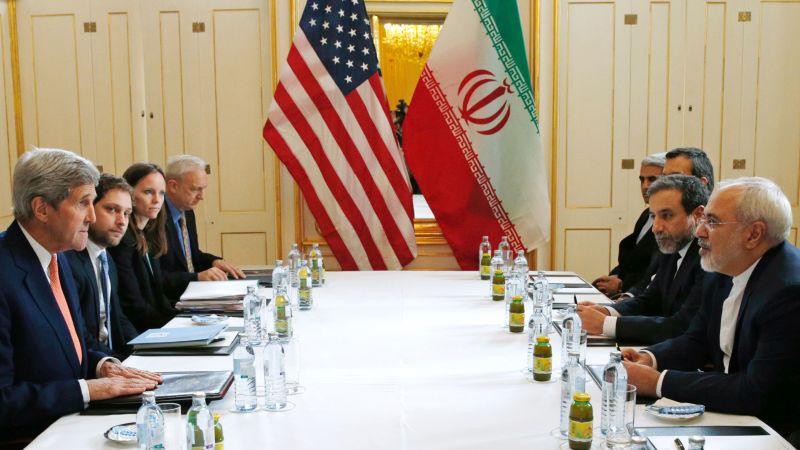
The tentative deal under discussion includes representatives from the United Nations, the European Union, and the International Atomic Energy Agency (IAEA). Key negotiators include the U.S. Secretary of State, the EU’s High Representative for Foreign Affairs, and IAEA Director General Rafael Grossi. These parties have expressed cautious optimism about the agreement, though challenges remain in aligning the interests of all stakeholders.
Within Iran, the government has not officially commented on the proposed deal. However, state media has reported that Iranian officials are “evaluating the terms carefully,” with some officials suggesting that the agreement could be a “step toward dialogue” if it addresses Iran’s security concerns. Opposition groups, meanwhile, have criticized the deal as insufficient, arguing that it fails to address human rights issues and regional aggression.
Context: The Broader Implications of the Conflict and Deal
The Iran conflict has roots in decades of geopolitical rivalry, including disputes over nuclear capabilities, territorial claims, and ideological differences. The 2015 Joint Comprehensive Plan of Action (JCPOA), commonly known as the Iran nuclear deal, aimed to limit Iran’s nuclear program in exchange for sanctions relief. However, the U.S. withdrawal from the agreement in 2018 and the subsequent reimposition of sanctions reignited tensions, leading to a series of confrontations between Iran and Western nations.
Carney’s assertion that the war is “worth it” reflects a broader debate about the effectiveness of military and diplomatic strategies in the region. Critics argue that prolonged conflict has destabilized the area, leading to humanitarian crises and economic hardship. Supporters, however, contend that sustained pressure on Iran is necessary to prevent the proliferation of nuclear weapons and to deter aggression.
The proposed deal, if finalized, could mark a significant turning point. Analysts suggest that it could pave the way for renewed negotiations on broader issues, including regional security and economic cooperation. However, the success of the agreement depends on its ability to address the concerns of all parties involved, particularly Iran’s demand for a guarantee of non-intervention in its internal affairs.
Reactions and Expert Opinions
Carney’s remarks have elicited mixed reactions from political leaders and experts. In the U.S., a spokesperson for the Department of State stated that the administration “respects Canada’s right to express its views but remains focused on its own diplomatic efforts in the region.” Similarly, the European Union has called for a “coordinated approach” to ensure that any agreement aligns with international norms and safeguards.
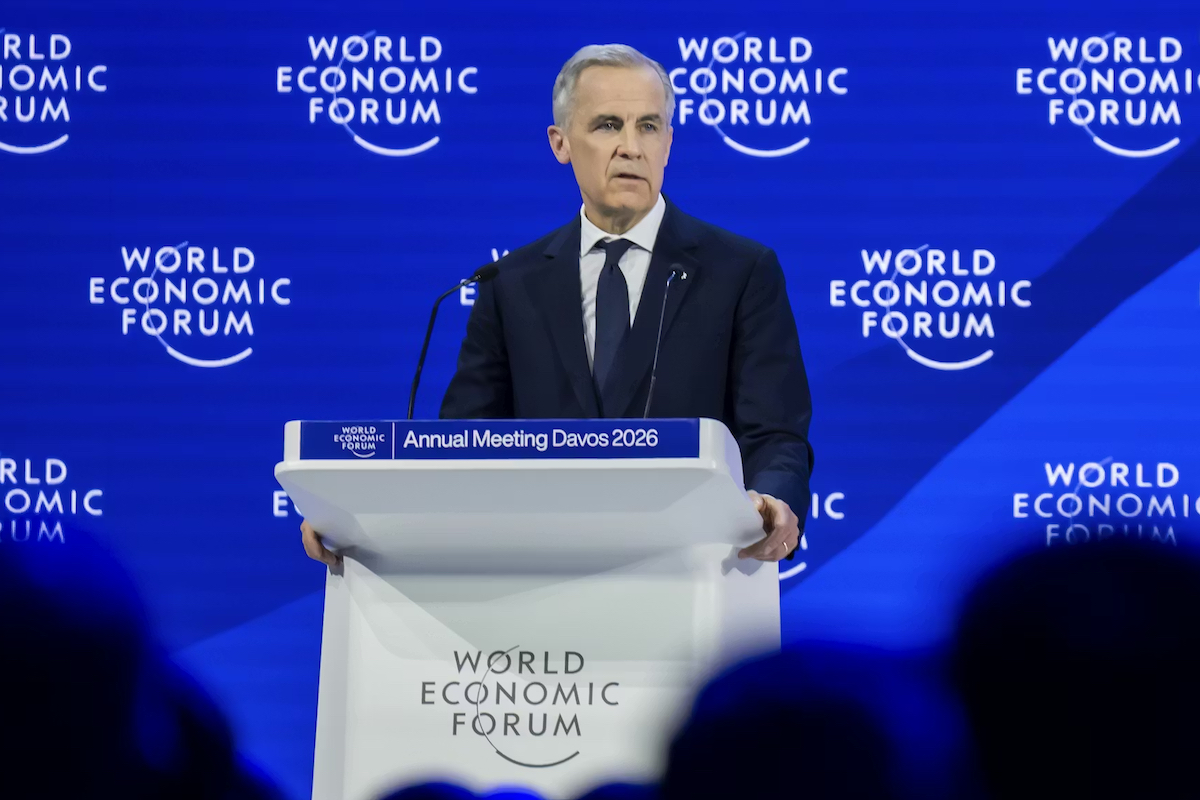
Regional analysts have offered divergent perspectives. Dr. Amina Farah, a Middle East expert at the University of Toronto, noted that Carney’s comments “highlight the complexities of Canada’s foreign policy in the region.” She added, “While Canada has traditionally adopted a neutral stance, the Prime Minister’s remarks suggest a willingness to take a more active role in shaping the conflict’s trajectory.”
Conversely, human rights organizations have expressed concern over the implications of Carney’s statement. Amnesty International released a statement urging the Canadian government to “prioritize diplomacy and humanitarian efforts over military posturing.” The organization emphasized that the conflict has resulted in “widespread displacement, economic devastation, and loss of life,” urging leaders to seek peaceful resolutions.
What Are the Potential Consequences of the Proposed Deal?
The tentative agreement, if finalized, could have far-reaching consequences for the region and beyond. One of the most immediate effects would be the potential easing of sanctions on Iran, which could stimulate economic growth and improve living standards for Iranian citizens. However, this relief would likely come with strict conditions, including increased IAEA inspections and a commitment to non-prolifer
