Destructive Earthquake Shakes the Southern Philippines – JW.ORG: Death Toll Rises as Thousands are Displaced
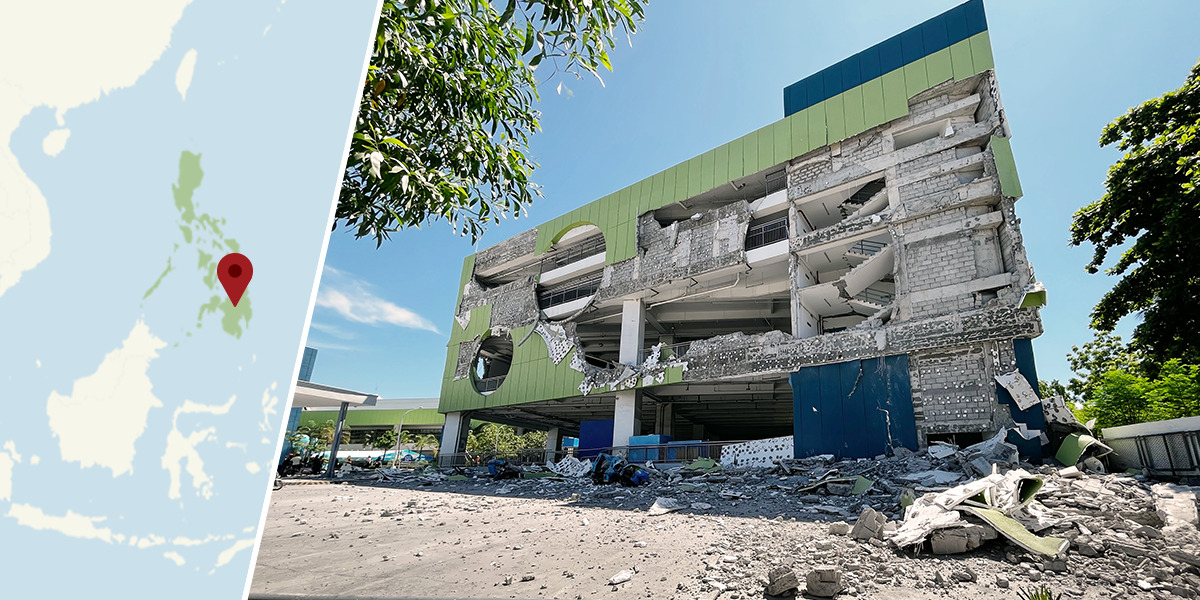
A powerful earthquake has struck the southern Philippines, leaving at least 37 people dead and displacing approximately 32,000 residents. According to reports from Nine.com.au and the BBC, emergency teams are currently racing to reach individuals trapped under rubble as officials manage a growing humanitarian crisis in the region.
How many casualties resulted from the southern Philippines earthquake?
Casualty reports have evolved as rescue operations progressed. Early reports from the BBC indicated that at least 15 people were dead and 129 others injured. However, updated figures provided by Nine.com.au show the death toll has risen to at least 37 people.
The discrepancy in numbers reflects the chaotic nature of the immediate aftermath, where initial counts often rise as search and rescue teams access remote areas. Local officials continue to update these figures as more bodies are recovered from collapsed structures.
| Reporting Source | Reported Deaths | Reported Injuries/Displaced |
|---|---|---|
| BBC (Initial Report) | 15 | 129 injured |
| Nine.com.au (Updated) | 37 | 32,000 displaced |
What is the extent of the displacement and damage?
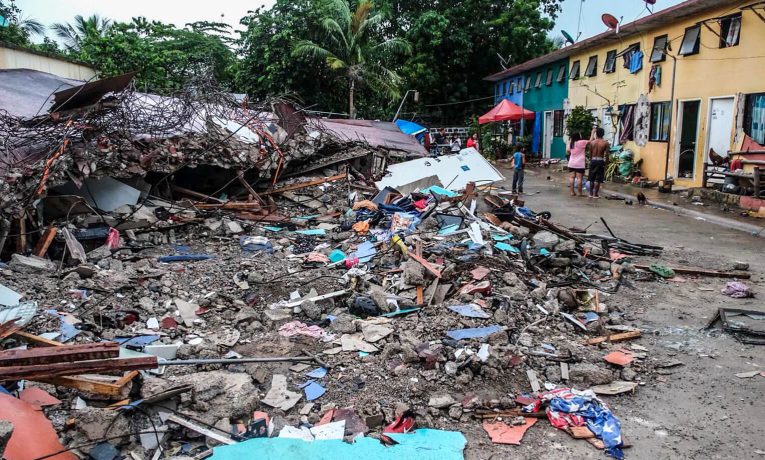
The earthquake caused widespread destruction, forcing a massive portion of the local population from their homes. Nine.com.au reports that 32,000 people have been displaced. This surge in homelessness has created an immediate need for emergency shelter, food, and medical supplies.
The scale of the displacement suggests significant structural failure in residential areas. Many victims are unable to return to their homes due to the risk of aftershocks or complete building collapse. The Australian Broadcasting Corporation (ABC) reports that the search for survivors remains a primary focus, with tens of thousands now relying on temporary encampments.
Key impacts reported include:
- Collapse of residential buildings and infrastructure.
- Mass displacement of over 30,000 individuals.
- Critical injuries requiring urgent medical intervention.
- Blockage of roads, hindering the delivery of aid.
How are rescue operations proceeding in the affected areas?
Rescue efforts are currently described as a “race” to save lives. The Canberra Times reports that emergency responders are working urgently to reach people trapped beneath debris. This operation is complicated by the instability of damaged buildings and the potential for further seismic activity.
Teams are utilizing a mix of heavy machinery and manual search methods to locate survivors. The urgency is driven by the “golden hour” principle, where the likelihood of finding survivors diminishes rapidly after the first few hours of a collapse. According to the ABC, the search for survivors continues across multiple affected communities in the southern region.
“Race to reach trapped after powerful Philippines quake.” — The Canberra Times
Why is the Southern Philippines prone to such destructive earthquakes?
The Philippines is situated along the Pacific Ring of Fire, a region characterized by frequent volcanic eruptions and seismic activity. The southern portion of the archipelago is particularly vulnerable due to the intersection of several tectonic plates and active fault lines.
While the specific fault line for this event is being analyzed by geologists, the region’s history of seismic instability often leads to high casualty rates when earthquakes strike populated areas. The lack of reinforced infrastructure in some rural southern provinces often exacerbates the destruction during high-magnitude events.
For more on regional risks, see a related explainer on the Pacific Ring of Fire.
What are the immediate humanitarian needs?
With 32,000 people displaced, the humanitarian priority has shifted toward basic survival needs. The sudden loss of housing has left thousands exposed to the elements. According to reports from Nine.com.au and the ABC, the primary requirements currently include:
- Emergency Shelter: Tents and temporary housing for the displaced.
- Clean Water: To prevent the outbreak of waterborne diseases in crowded camps.
- Medical Supplies: Treatment for those among the 129+ injured reported by the BBC.
- Food Security: Immediate rations for families who lost their food stores in the quake.
The coordination between local government units and international aid agencies is critical to ensuring these supplies reach the most isolated areas of the south.
Comparing the reporting of the disaster
The coverage of this event across different international outlets highlights the progression of the crisis. The BBC focused heavily on the immediate casualty count and injury rates during the onset. In contrast, Nine.com.au provided a broader look at the societal impact, specifically highlighting the massive displacement of 32,000 people.
The Canberra Times emphasized the tactical struggle of the rescue operations, framing the event as a race against time. This multi-faceted reporting underscores that the disaster is not only a matter of immediate death tolls but a long-term displacement crisis.
Common misconceptions about such events often involve the belief that the magnitude is the only factor in destruction. However, as seen in this event, the displacement numbers (32,000) suggest that building vulnerability and population density played significant roles in the disaster’s impact.
For further reading on disaster response, see a related explainer on Philippine disaster preparedness.
Frequently Asked Questions
What was the death toll of the southern Philippines earthquake?
While initial reports from the BBC stated 15 deaths, updated figures from Nine.com.au indicate that at least 37 people have died.
How many people were displaced by the earthquake?
According to Nine.com.au, approximately 32,000 people have been displaced from their homes following the quake.
Are there still people trapped in the rubble?
Yes. The Canberra Times reports that there is an ongoing race to reach individuals who remain trapped under collapsed structures.
Which regions were most affected?
The reports specify that the earthquake hit the southern Philippines, leading to widespread displacement and casualties in that region.
How many people were injured?
The BBC reported at least 129 injuries in the immediate aftermath of the earthquake.
