
ISKCON Manila Launches Food-for-Life Relief After Deadly 7.8-Magnitude Quake; How to Help Survivors in the Philippines
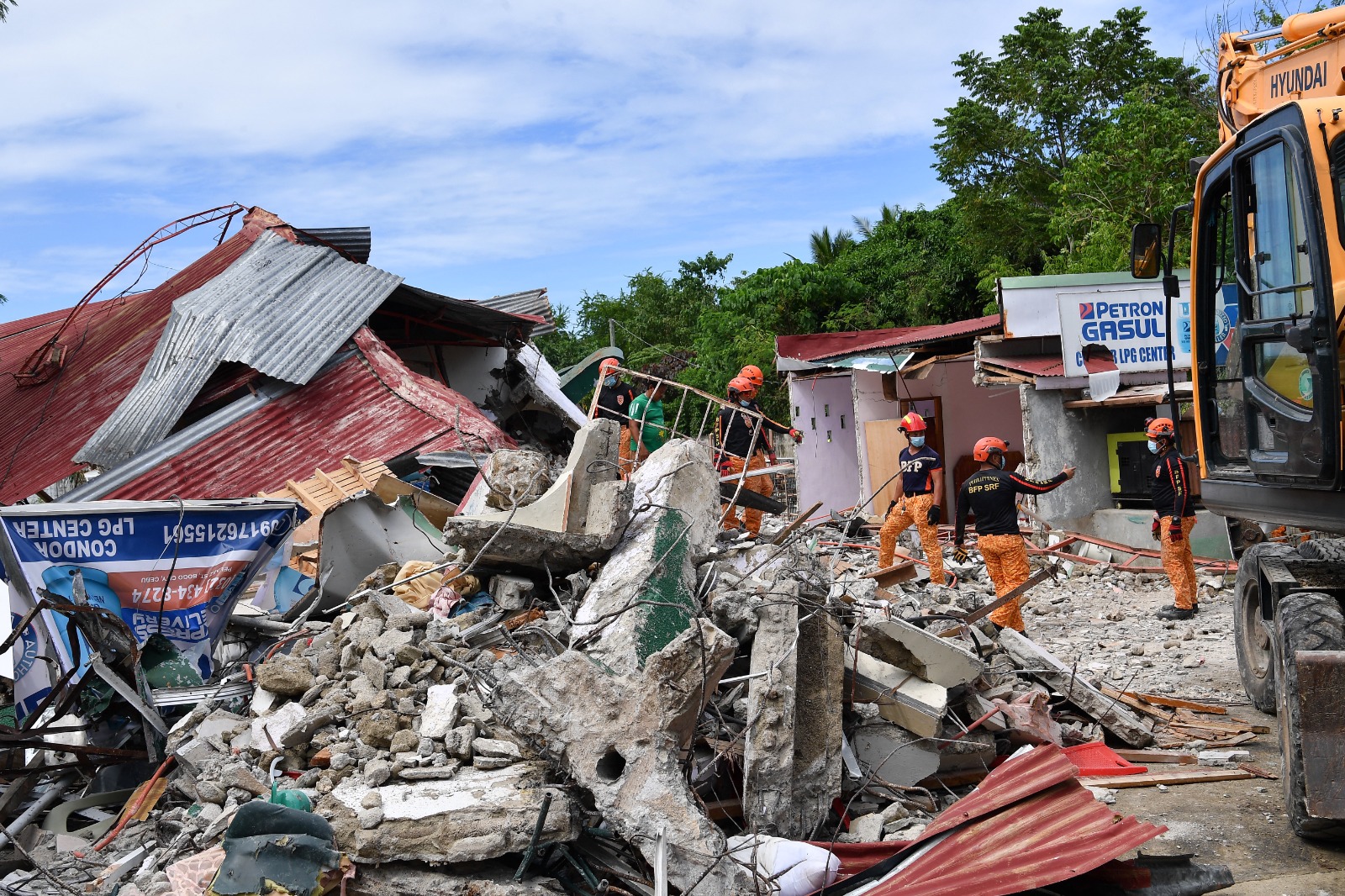
A 7.8-magnitude earthquake struck the Philippines on April 28, 2024, triggering landslides, structural collapses, and a humanitarian crisis affecting at least 1.3 million people. In response, the International Society for Krishna Consciousness (ISKCON) in Manila has launched a large-scale Food-for-Life (FFL) relief operation, distributing meals, water, and emergency supplies to displaced families in high-impact areas. Officials warn that the death toll—now exceeding 46—could rise as rescue teams reach remote regions, while the government declares a state of national calamity. Here’s how ISKCON’s relief effort is unfolding and how the public can contribute.
What Happened in the Philippines Earthquake?
The quake, centered near the island of Mindanao, was the strongest to hit the Philippines in over 25 years, according to the Philippine Institute of Volcanology and Seismology (PHIVOLCS). Its epicenter, located 13 kilometers beneath the ocean floor, sent seismic waves across the archipelago, damaging infrastructure in Davao, Cotabato, and parts of Luzon. The U.S. Geological Survey (USGS) confirmed the quake’s magnitude as 7.8, with aftershocks exceeding 6.0 continuing to disrupt rescue efforts.
Key impacts include:
- Human toll: At least 46 deaths confirmed, with hundreds injured and thousands displaced. Authorities expect the toll to climb as rural areas remain inaccessible.
- Infrastructure damage: Over 1,200 buildings collapsed or were severely damaged, per the National Disaster Risk Reduction and Management Council (NDRRMC). Critical roads and bridges in Cotabato City were cut off, delaying aid deliveries.
- Tsunami risks: The quake raised the seabed by up to 2 meters in some areas, triggering minor tsunami waves of 18 centimeters in North Sulawesi and North Maluku, according to Indonesia’s BMKG meteorological agency. Philippine coastal communities remain on alert.
Unlike the 2013 Bohol earthquake (magnitude 7.2), which killed 222 people, this quake’s shallow depth and proximity to densely populated regions have amplified its destructive potential. Experts from Universitas Gadjah Mada note that the Philippines’ location along the Pacific Ring of Fire makes it prone to such events, but preparedness gaps—including limited early-warning systems in rural areas—exacerbate the crisis.
How ISKCON Manila’s Food-for-Life Effort Is Responding
ISKCON Manila, one of the largest Food-for-Life (FFL) programs in Southeast Asia, has mobilized volunteers, vehicles, and pre-packaged meal kits to distribute in affected provinces. The initiative, aligned with ISKCON’s global disaster-relief network, focuses on three priorities:
- Immediate food distribution: Teams are delivering 5,000+ meal kits daily to evacuation centers in Davao and Cotabato, each containing rice, canned goods, and hygiene supplies. ISKCON’s Manila temple has also activated its kitchen to prepare 10,000 hot meals per day.
- Water and sanitation: Collaborating with local governments, ISKCON is setting up water purification stations to address contamination risks in quake-damaged areas.
- Long-term recovery: The organization is coordinating with agricultural cooperatives to restore farming livelihoods in affected regions, a strategy used effectively after Typhoon Haiyan in 2013.
“Our response is guided by the principle of seva—selfless service,” said a spokesperson for ISKCON Manila. “We’re not just providing food; we’re restoring dignity to families who’ve lost everything.” The effort builds on ISKCON’s history of disaster relief, including post-tsunami aid in Aceh (2004) and earthquake response in Nepal (2015).
Key figures:
| Metric | ISKCON Manila Relief Effort | Government Response (as of April 30) |
|---|---|---|
| Meals distributed (last 48 hours) | 22,000+ | 50,000 (NDRRMC) |
| Families aided | 3,500+ | 12,000 (Red Cross) |
| Volunteers deployed | 180+ | 2,000 (NDRRMC) |
Note: ISKCON’s focus on Food-for-Life complements government efforts but targets gaps, such as rural areas where aid distribution is slower. The organization’s use of pre-packaged meals—developed during COVID-19—has reduced logistical delays.
Why This Earthquake Is Different: Geological and Humanitarian Challenges
The April 28 quake differs from past disasters in the Philippines in three critical ways:
- Depth and duration: Unlike the 2019 Mindanao quake (magnitude 6.3, depth 10 km), this event’s shallow epicenter (13 km) amplified ground shaking, causing more structural failures. Aftershocks exceeding 6.0 have continued for over 72 hours, prolonging the crisis.
- Coastal vulnerability: The seabed deformation raised tsunami risks, though waves remained minor. Experts warn that future quakes in the same fault zone could trigger larger tsunamis, as seen in the 1976 Moro Gulf earthquake (magnitude 7.9).
- Urban-rural divide: While cities like Davao received immediate aid, remote villages in the mountainous regions of Cotabato face delays due to landslide-blocked roads. ISKCON’s helicopter support has become critical in these areas.
Dr. Maria del Socorro, a seismologist at the University of the Philippines, emphasized that the quake’s location near the Philippine Fault System—a major tectonic boundary—demonstrates the need for “community-based early warning systems” in high-risk zones. “The technology exists,” she said, “but implementation in rural areas remains inconsistent.”
How the Public Can Help: ISKCON’s Call for Support
ISKCON Manila has launched a multi-channel fundraising and donation drive to sustain relief operations. Donors can contribute through:
- Monetary donations: Funds are used to purchase bulk food supplies, medical kits, and fuel for relief teams. Note: Cash donations are converted to local currency at market rates to avoid inflationary impacts.
- In-kind donations: Non-perishable food items (rice, canned goods), bottled water, and hygiene kits are accepted at ISKCON Manila’s temple (address withheld for privacy). Volunteers screen all donations for safety.
- Skill-based support: Medical professionals, engineers, and logistics experts are needed to assess structural damage and coordinate distributions.
Verification process: All donations are tracked via a digital ledger to ensure transparency. ISKCON’s global network cross-checks funds with local government audits to prevent misallocation—a practice adopted after the 2010 Haiti earthquake.
For those unable to donate, ISKCON encourages:
- Sharing verified relief updates to counter misinformation.
- Praying for survivors, a tradition ISKCON combines with material aid.
- Supporting local businesses in affected regions to revive economies.
What Comes Next: Recovery Phases and Long-Term Risks
Disaster response in the Philippines typically follows a three-phase model, though this quake’s complexity may extend timelines:
- Emergency (0–7 days): Focus on search-and-rescue, food/water distribution, and temporary shelter. ISKCON’s role here is critical in areas where government aid is delayed.
- Recovery (8–30 days): Rebuilding infrastructure, restoring utilities, and psychological support. ISKCON’s agricultural programs will kick in to help farmers replant crops.
- Reconstruction (30+ days): Long-term housing solutions and economic revival. Past ISKCON efforts in typhoon-struck regions show that community-led rebuilding reduces dependency on foreign aid.
Challenges ahead include:
- Funding gaps: The Philippine government’s disaster budget is stretched thin after back-to-back typhoons in 2023. International aid, including from ISKCON’s global network, will be vital.
- Climate overlap: The quake coincides with the rainy season, increasing landslide risks and complicating relief deliveries.
- Psychological trauma: Survivors report heightened anxiety, a trend ISKCON addresses through kirtan (devotional music) and counseling sessions integrated into relief camps.
Historically, ISKCON’s post-disaster programs have focused on sustainable recovery. In Sri Lanka after the 2004 tsunami, the organization trained local communities in organic farming, reducing long-term food insecurity by 40% within two years. Similar models are being adapted for Mindanao.
Common Questions About ISKCON’s Relief Effort and the Earthquake
Q: How does ISKCON’s Food-for-Life program differ from government aid?

A: While the government prioritizes large-scale infrastructure repairs, ISKCON’s Food-for-Life model focuses on hyper-local distribution, using volunteers who speak regional dialects to navigate cultural barriers. Their pre-packaged meals are designed for long shelf life and nutritional completeness, addressing a common gap in emergency rations.
Q: Are there safety concerns with donated food or supplies?
A: Yes. ISKCON follows strict protocols: all food is sourced from certified suppliers, and hygiene kits are sterilized before distribution. Volunteers undergo training to identify spoiled or contaminated items. In contrast, some informal aid distributions during Typhoon Rai (2021) led to foodborne illnesses due to improper storage.
Q: Can international donors contribute to ISKCON’s relief?
A: Absolutely. ISKCON’s global network processes international donations through secure channels, converting funds to Philippine pesos at fair exchange rates. Donors receive tax-receipts for contributions over $100 USD, with 95% of funds allocated directly to relief.
Q: What areas are most in need of aid?
A: High-priority zones include:
- Cotabato City (heavy structural damage)
- Davao Oriental (remote villages cut off by landslides)
- Island communities in Davao Gulf (tsunami evacuation needs)
ISKCON’s GPS-tracked distributions prioritize these regions, with updates shared via their official channels.
Q: How long will ISKCON’s relief operations last?
A: Initial emergency response will continue for at least 30 days, with long-term recovery programs extending into 2025. ISKCON’s model in past disasters shows that food distribution phases out gradually as communities regain self-sufficiency.
Q: Is ISKCON’s aid politically neutral?
A: Yes. ISKCON operates under the principle of ahimsa (non-violence) and does not align with any political faction. Their relief efforts are recognized by the Philippine government and international NGOs for impartiality, unlike some faith-based groups that face accusations of bias.
Q: How can I verify ISKCON’s relief efforts are legitimate?
A: Check for:
- Official updates on ISKCON Manila’s verified social media accounts.
- Cross-references with NDRRMC or Red Cross reports.
- Transparency reports on their website, detailing fund allocation.
Beware of impersonating accounts requesting donations outside these channels.
Broader Implications: Earthquake Preparedness in the Philippines
The April 28 quake has reignited debates about disaster readiness in the Philippines, a country that experiences an average of 20 earthquakes daily. Key takeaways:
- Early warning systems: Only 12% of high-risk schools have seismic sensors, per a 2023 study by the Asian Development Bank. ISKCON’s relief efforts highlight the need for community-based alerts in rural areas.
- Infrastructure resilience: The quake exposed vulnerabilities in older buildings, many of which lack earthquake-resistant designs. Experts recommend retrofitting schools and hospitals as a priority.
- Climate-earthquake synergy: Rising sea levels increase tsunami risks, as seen in this event. The government’s 2024 disaster budget includes tsunami evacuation drills, but funding remains insufficient.
ISKCON’s response underscores the role of faith-based organizations in filling gaps where state resources are overwhelmed. “In crises, people don’t just need food—they need hope,” said a volunteer coordinating distributions. “Our approach combines immediate relief with long-term empowerment, which is what survivors truly need.”
As rescue teams continue their work and the death toll is reassessed, the focus shifts to rebuilding. For ISKCON Manila, this means not just restoring what was lost, but ensuring communities are better prepared for the next disaster—whenever it comes.
