
Seismic Alert: Philippine Insurance Sector Braces for 7.8-Magnitude Earthquake in 2026
A major seismic event is expected to test the resilience of the Philippine insurance industry by late 2026, according to a recent warning from a regional disaster risk management agency. The forecast, issued by the Philippine Institute of Volcanology and Seismology (PHIVOLCS), highlights a potential 7.8-magnitude earthquake in the country’s western coastal regions, which could trigger widespread damage and financial strain on insurers. The warning comes amid growing concerns about the sector’s preparedness for natural disasters, particularly as climate change and tectonic activity intensify.
What Happened? A Seismic Forecast with Far-Reaching Implications
The agency’s prediction is based on updated seismic risk assessments conducted by the Philippine Atmospheric, Geophysical and Astronomical Services Administration (PAGASA) and the United Nations Office for Disaster Risk Reduction (UNDRR). These models suggest that a major fault line off the coast of Palawan and Mindoro could rupture, generating a magnitude 7.8 earthquake by late 2026. Such an event would likely cause structural damage to buildings, disrupt infrastructure, and displace thousands of residents, according to the agency’s latest report.
The warning follows a series of smaller tremors recorded in the region since 2023, including a 6.5-magnitude quake in April 2024 that prompted emergency drills across the Visayas and Mindanao. While no casualties were reported, the incident underscored the vulnerability of densely populated coastal areas to sudden seismic activity. “The data indicates a high probability of a significant rupture in the West Valley Fault System,” said a PHIVOLCS spokesperson, adding that the agency has been collaborating with international seismologists to refine its projections.
Who Is Involved? Insurers, Government Agencies, and International Partners
The Philippine insurance sector, which includes over 100 licensed companies, is the primary stakeholder in this scenario. Key players include the Philippine Insurance Association (PIA), the Insurance Commission (IC), and multinational firms operating in the region. These entities are now under pressure to reassess their risk management strategies and ensure adequate coverage for potential claims.
Government agencies such as the National Disaster Risk Reduction and Management Council (NDRRMC) and the Department of Finance (DOF) are also involved. The NDRRMC has emphasized the need for public-private partnerships to bolster disaster response mechanisms, while the DOF is exploring regulatory changes to mandate higher capital reserves for insurers. International organizations like the Asian Development Bank (ADB) and the World Bank have pledged support, offering technical assistance and funding for infrastructure resilience projects.
“The insurance sector must act proactively to mitigate the financial fallout of a large-scale earthquake,” said a representative from the PIA. “This includes revising actuarial models, increasing reinsurance coverage, and educating policyholders about disaster preparedness.”
When and Where? A Timeline of Seismic Activity and Risk Zones
The predicted earthquake is expected to occur between October and December 2026, a period historically associated with increased tectonic activity in the region. The epicenter is likely to be near the Sulu Sea, affecting provinces such as Palawan, Mindoro, and parts of Visayas. According to PHIVOLCS, the fault line in question has not experienced a major rupture since 1990, making it a high-risk zone for a future event.
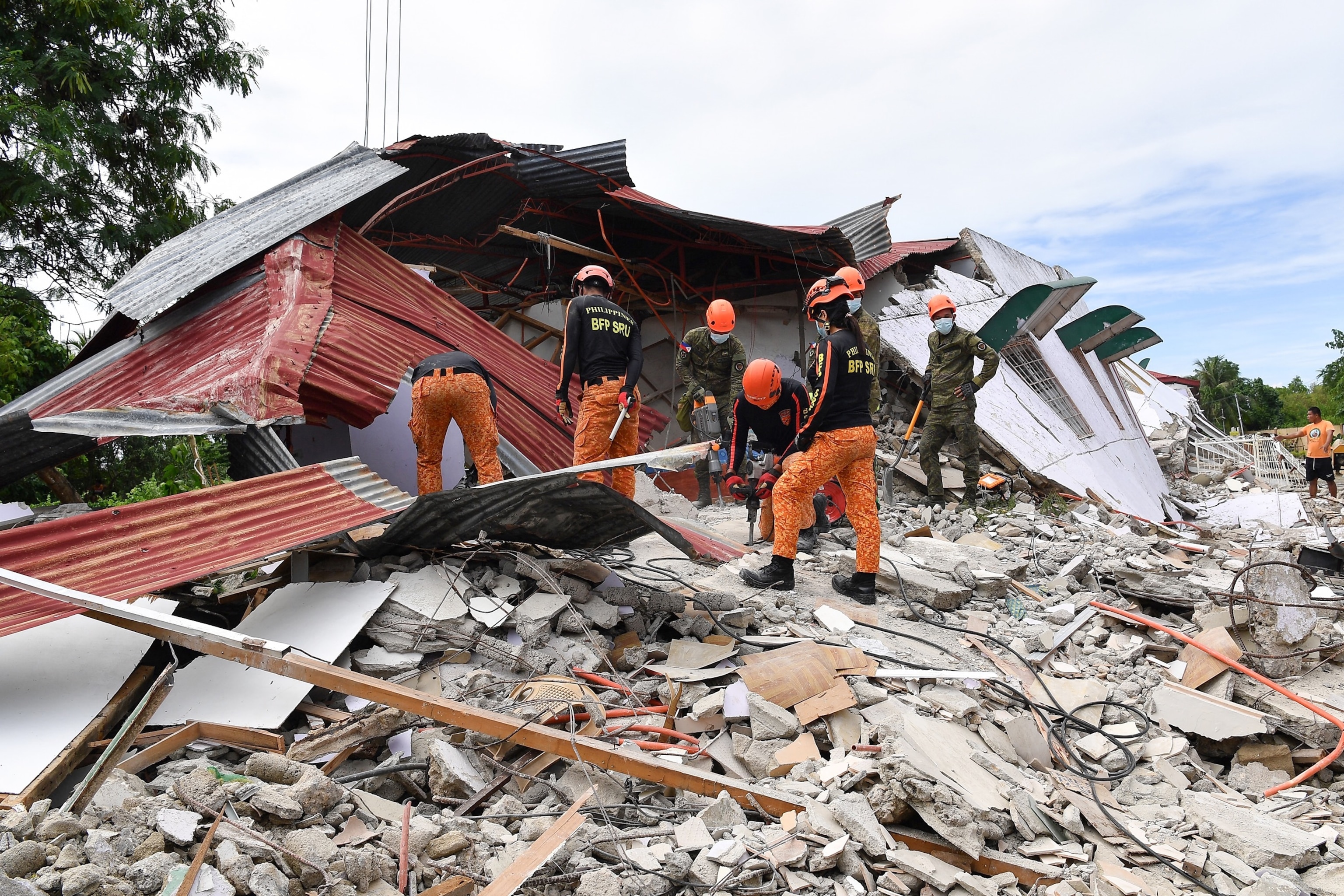
Historical data shows that the last major earthquake in the region, a 7.2-magnitude quake in 2013, caused over $2 billion in damages and displaced more than 600,000 people. The 2026 forecast, if realized, could be up to 30% more severe, depending on the depth and duration of the rupture. “The timing aligns with the end of the rainy season, which could exacerbate landslides and flooding in affected areas,” noted a UNDRR analyst.
Why It Matters: Economic, Social, and Insurance Sector Implications
The potential earthquake poses significant risks to the Philippine economy, which has been recovering from the impacts of the COVID-19 pandemic and global inflationary pressures. A major disaster could disrupt supply chains, reduce tourism revenue, and strain public resources. For the insurance sector, the financial burden could be staggering, with estimates suggesting that claims could exceed $5 billion in the first year alone.
The social implications are equally critical. The Philippines is one of the most disaster-prone countries in the world, with over 200 active volcanoes and 30 major fault lines. A large earthquake could displace millions, overwhelm emergency services, and deepen existing inequalities. “The poorest communities are often the hardest hit,” said a researcher at the University of the Philippines. “Without adequate insurance and government support, recovery could take decades.”
For insurers, the challenge lies in balancing profitability with risk. Many companies have faced criticism for underestimating the scale of natural disasters in the past. The 2013 Bohol earthquake, for example, exposed gaps in coverage, with some policyholders receiving insufficient compensation. The 2026 warning has reignited debates about the need for stricter regulations and more transparent claims processes.
Reactions and Expert Views: A Call for Preparedness
Industry experts and policymakers have responded to the warning with a mix of urgency and skepticism. While some praise the agency’s proactive approach, others argue that the focus should be on long-term infrastructure upgrades rather than short-term insurance adjustments. “The real solution lies in building earthquake-resistant structures and improving early warning systems,” said a civil engineer affiliated with the Philippine Council for Industry, Energy, and Emerging Technology Research and Development (PCIEERD).
The insurance sector has also faced scrutiny over its role in disaster recovery. A 2022 report by the Asian Insurance and Reinsurance Association (AIRA) found that
