All the Rage: Anger Over Epstein and Andrew Sparks a Surge in Feminist Activism
Public frustration over high-profile cases involving sexual misconduct and systemic power imbalances has ignited a wave of grassroots feminist mobilization, with activists drawing parallels between the legacy of Jeffrey Epstein and ongoing debates about accountability for powerful figures. This movement, characterized by a mix of digital campaigns and physical demonstrations, has reshaped conversations about gender equity and institutional reform.
What Triggered the Outcry?
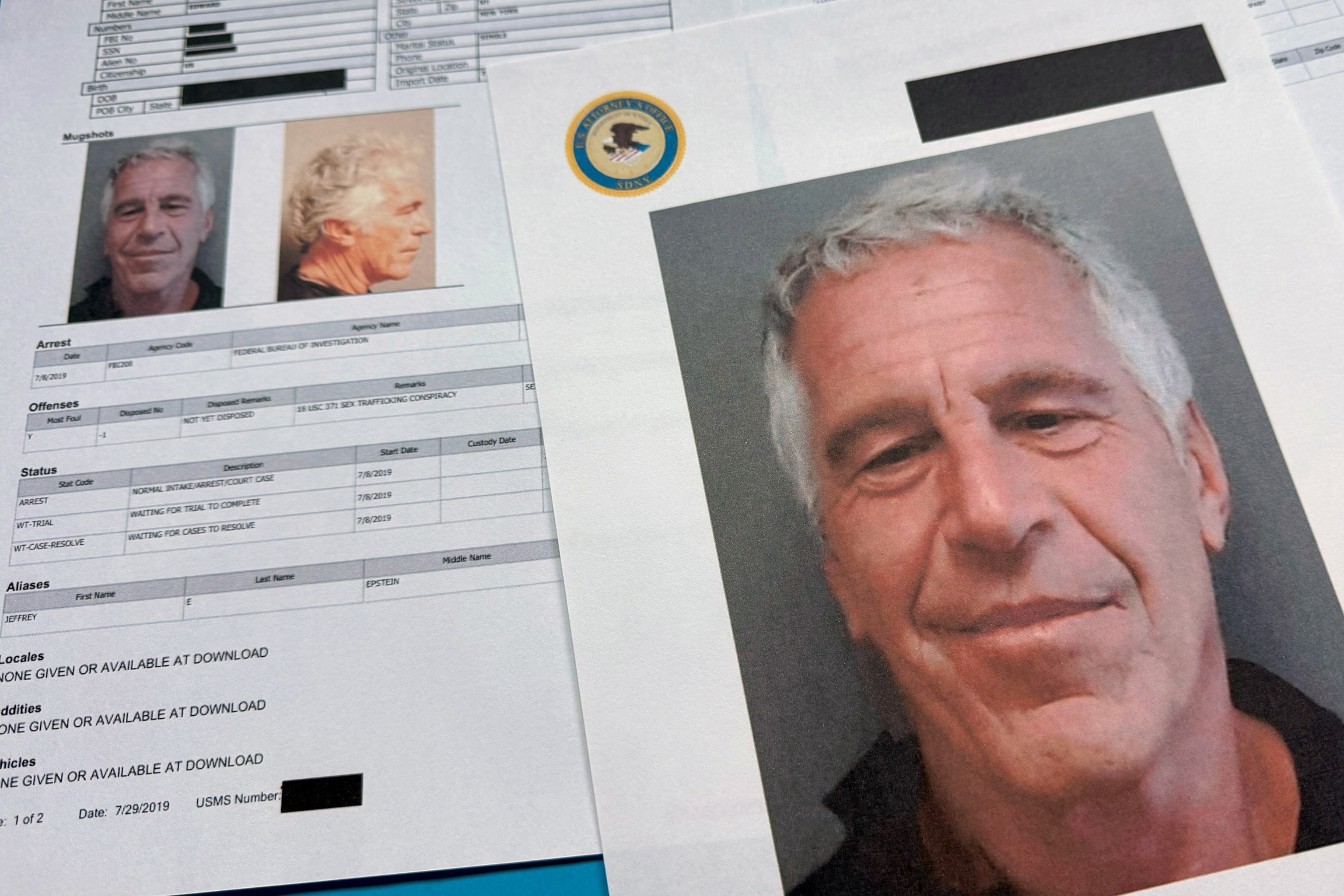
The recent surge in activism stems from renewed scrutiny of two prominent figures whose actions have become symbolic of broader societal failures. Jeffrey Epstein, the late financier convicted of sex trafficking, remains a focal point due to the extensive network of influential individuals connected to his crimes. Meanwhile, political leaders like Andrew Cuomo, former New York governor, faced allegations of workplace misconduct that sparked nationwide debates about power dynamics in public office.
According to a 2023 report by the National Women’s Law Center, cases involving powerful men have historically been underreported and inadequately prosecuted. This pattern has fueled demands for systemic change, with activists emphasizing the need for transparent legal processes and institutional accountability.
The Role of Social Media
Platforms like Twitter and Instagram have become critical tools for organizing protests and amplifying marginalized voices. Hashtags such as #BreakTheSilence and #EndImpunity have trended globally, with users sharing personal stories and calling for legislative reforms. A 2024 Pew Research study found that 68% of Americans believe social media has increased awareness of sexual misconduct issues.
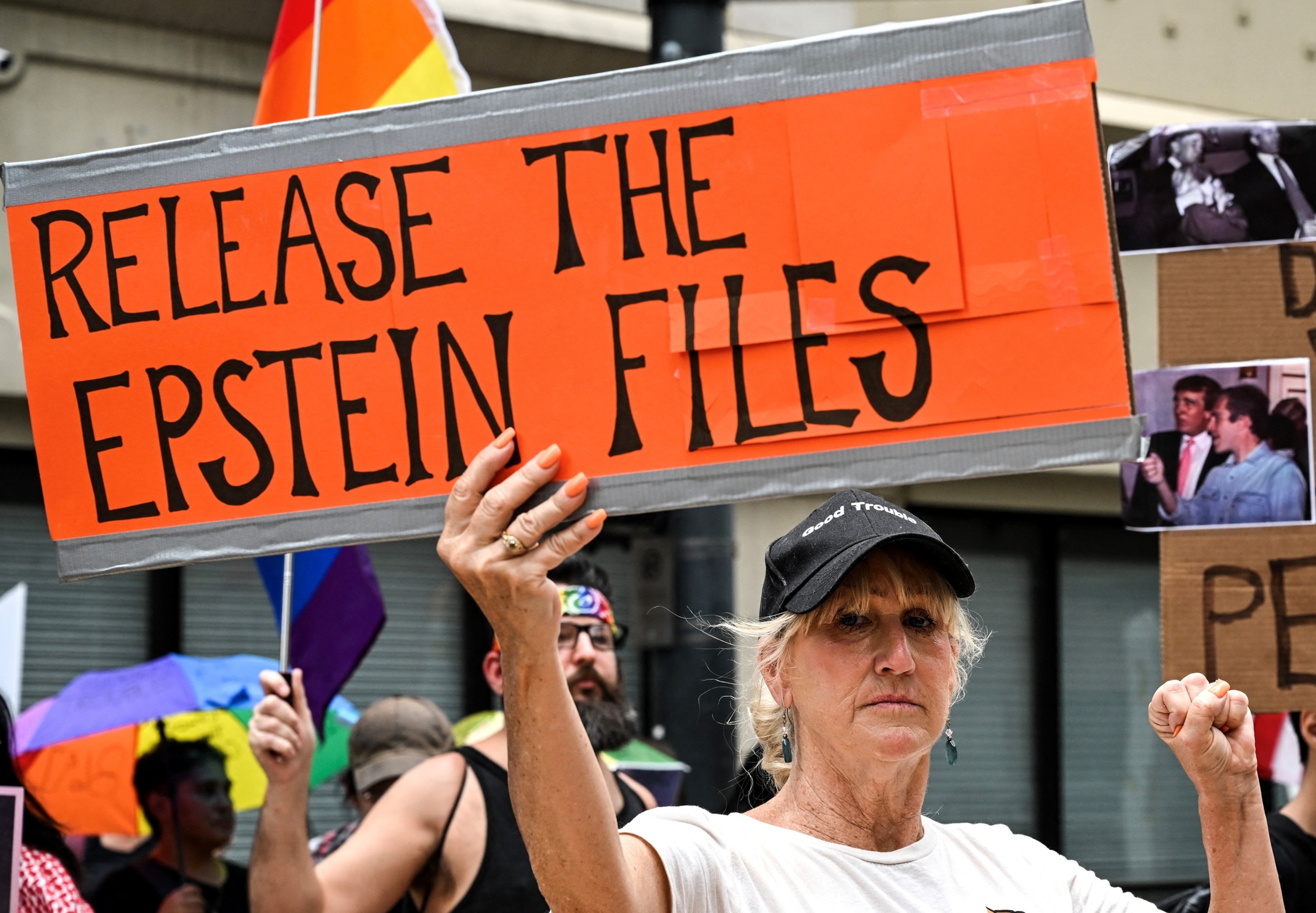
One notable example is the #EpsteinList campaign, which pressured authorities to release information about individuals associated with Epstein’s network. While some critics argue the movement risks sensationalism, supporters maintain it has kept pressure on institutions to act.
Who Is Involved?
The movement includes a diverse coalition of activists, legal experts, and affected individuals. Organizations like the Equality Now and the Time’s Up Legal Defense Fund have provided resources and advocacy support. Prominent figures in academia and entertainment have also voiced their support, though their involvement remains controversial in some circles.
Local chapters of national groups have organized events ranging from candlelight vigils to policy forums. In New York City, a coalition of women’s rights groups staged a protest outside the former governor’s office, demanding comprehensive reforms to workplace harassment protocols.
Economic and Political Implications
The movement has prompted legislative action in several states. California passed a law in 2023 requiring companies with more than 50 employees to implement mandatory sexual harassment training. Similar bills are under consideration in at least 12 other states, reflecting growing public pressure for systemic change.
Political analysts note that the issue has become a key talking point in upcoming elections. A 2024 survey by the Public Religion Research Institute found that 57% of voters consider sexual misconduct accountability a major factor when evaluating candidates.
Historical Context and Precedents
This wave of activism builds on decades of feminist movements, including the #MeToo campaign that gained global traction in 2017. While the current movement shares similarities with past efforts, it differs in its focus on institutional power structures rather than individual cases alone.
Comparisons to the 1990s-era backlash against Bill Clinton’s impeachment proceedings highlight how societal attitudes have evolved. Then, many critics dismissed allegations as politically motivated; today, there’s broader recognition of the need for institutional safeguards.
Challenges and Criticisms
Despite its momentum, the movement faces significant challenges. Some critics argue that the focus on high-profile cases risks overshadowing everyday experiences of gender-based violence. Others question the effectiveness of digital activism without concrete policy changes.
A 2023 study published in the Journal of Women’s Health found that while online campaigns increase awareness, they often fail to address root causes of systemic inequality. Activists acknowledge these concerns but emphasize that sustained pressure is necessary to drive lasting change.
What’s Next for the Movement?
Organizers are now shifting focus toward legislative strategies and corporate accountability. Plans include lobbying for federal anti-harassment legislation and partnering with private companies to implement stricter workplace policies. Legal experts suggest that the next phase will involve challenging existing laws that protect powerful individuals from prosecution.
Public sentiment remains divided. While 62% of Americans support stronger legal protections for victims, 38% believe the movement has gone too far, according to a 2024 Gallup poll. This polarization reflects broader cultural debates about power, privacy, and justice.
Key Takeaways
- The movement highlights persistent issues of power imbalance in society.
- Online activism has become a powerful tool for raising awareness.
- Legislative changes are emerging as a central demand.
- Public opinion remains split on the appropriate response to systemic issues.
Frequently Asked Questions
What does “female anarchy” mean in this context?
The term refers to a decentralized, grassroots movement driven by women and allies seeking to challenge patriarchal power structures
