Public health officials in Pasuruan, Indonesia, are urging residents to remain vigilant against leptospirosis despite no confirmed cases in the city, warning that environmental conditions still pose a risk for infection.
Leptospirosis, a bacterial disease spread through contact with contaminated water or soil, can cause severe illness if left untreated. The city’s health department has highlighted recent heavy rainfall and flooding as key factors that could increase exposure to the bacteria, which is commonly found in animal urine.
Why the Warning Despite No Reported Cases
According to the Pasuruan City Health Office, the warning follows a broader alert from regional health authorities about rising leptospirosis risks in East Java province. While Pasuruan has not recorded any cases this year, officials point to the city’s history of outbreaks during wet seasons as a reason for caution.

“Even without confirmed cases, the conditions are right for leptospirosis to spread,” said a spokesperson for the health office. “We want to prevent an outbreak before it starts.”
How the Disease Spreads and Who Is at Risk
Leptospirosis is caused by bacteria from the genus Leptospira, typically carried by rodents, cattle, and other mammals. Humans can contract the infection when skin or mucous membranes come into contact with water or soil contaminated by infected animal urine. Symptoms range from mild flu-like illness to life-threatening complications such as kidney failure, meningitis, or liver damage.
High-risk groups include farmers, construction workers, and anyone engaging in outdoor activities during or after heavy rains, when floodwaters may carry the bacteria. Children and individuals with weakened immune systems are particularly vulnerable.
Public Health Measures to Reduce Risk
The health office has recommended several precautions to minimize exposure:
- Wear protective footwear, especially in flood-prone areas.
- Avoid wading or swimming in potentially contaminated water.
- Clean and disinfect cuts or wounds promptly to prevent bacterial entry.
- Report any symptoms—such as high fever, muscle pain, or jaundice—to a healthcare provider immediately.
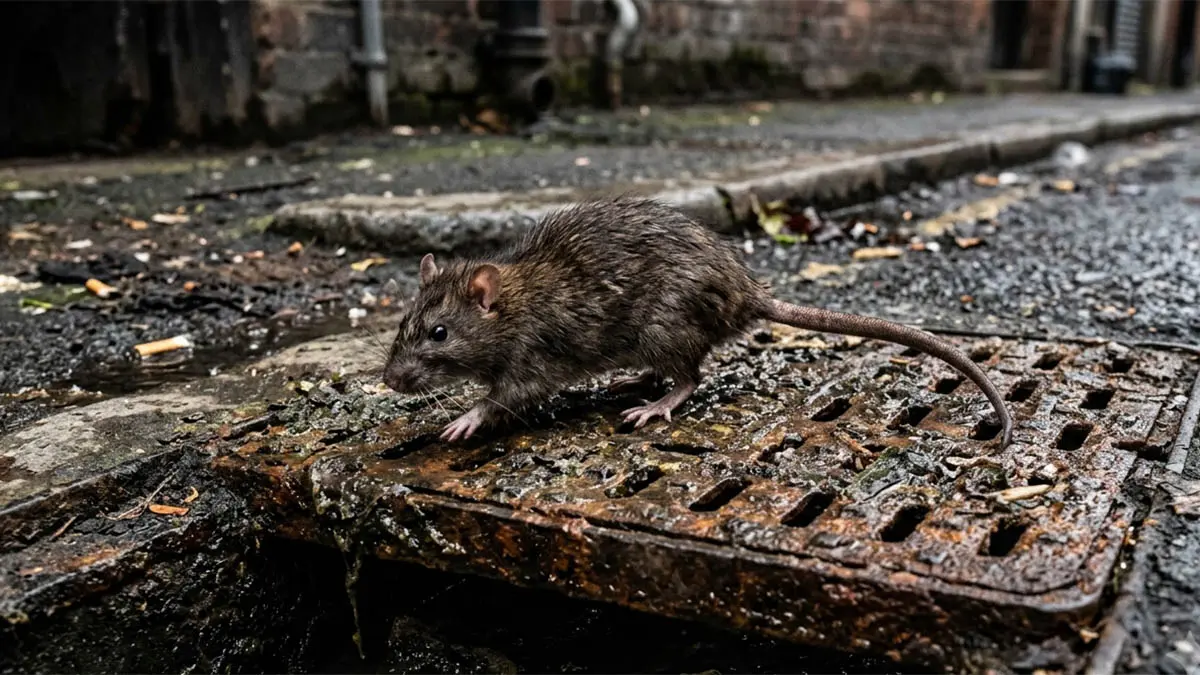
Officials also emphasized the importance of rodent control, as rats are a primary carrier of the bacteria. Residents are advised to seal food sources, eliminate standing water, and maintain clean living environments.
What Happens Next: Monitoring and Preparedness
Pasuruan’s health department will continue to monitor environmental conditions and work with local clinics to ensure early detection and treatment of potential cases. Public awareness campaigns will be expanded to reach high-risk communities, particularly in rural and flood-prone districts.
While no cases have been reported, the proactive measures reflect a broader trend in Indonesia, where leptospirosis outbreaks often follow extreme weather events. In 2023, neighboring Malang city recorded 47 confirmed cases after prolonged rainfall, underscoring the need for vigilance in similar climates.
