PAS-Bersatu Break-up Paves Way for New Malay-centric Pact, with Implications for Malaysia Politics
PAS President Abdul Hadi Awang announced that the Islamic party has severed ties with Bersatu, a move that destabilizes the Perikatan Nasional (PN) opposition bloc. This split creates a vacuum in the opposition landscape, potentially leading to a new Malay-centric pact and shifting the political balance of power in Malaysia.
Why did PAS sever ties with Bersatu?
The decision to end the partnership was confirmed by PAS President Abdul Hadi Awang, according to reports from The Straits Times. While the specific internal triggers for the break-up were not detailed in the immediate announcement, the move signals a fundamental collapse in the cooperation between the two primary pillars of the Perikatan Nasional coalition.
PAS, a party rooted in political Islam, and Bersatu, a party focused on Malay nationalism, had previously aligned to consolidate the Malay-Muslim vote. The severance of ties suggests that the strategic interests of these two entities no longer align, or that the costs of the partnership have outweighed the benefits for the Islamic party.
Analysts cited by Malaysiakini suggest that this shift is not merely a disagreement over policy but a strategic realignment. By distancing itself from Bersatu, PAS may be seeking to purify its image or prepare for a different configuration of power that relies less on the specific leadership of Bersatu.
How will the Perikatan Nasional (PN) coalition be affected?
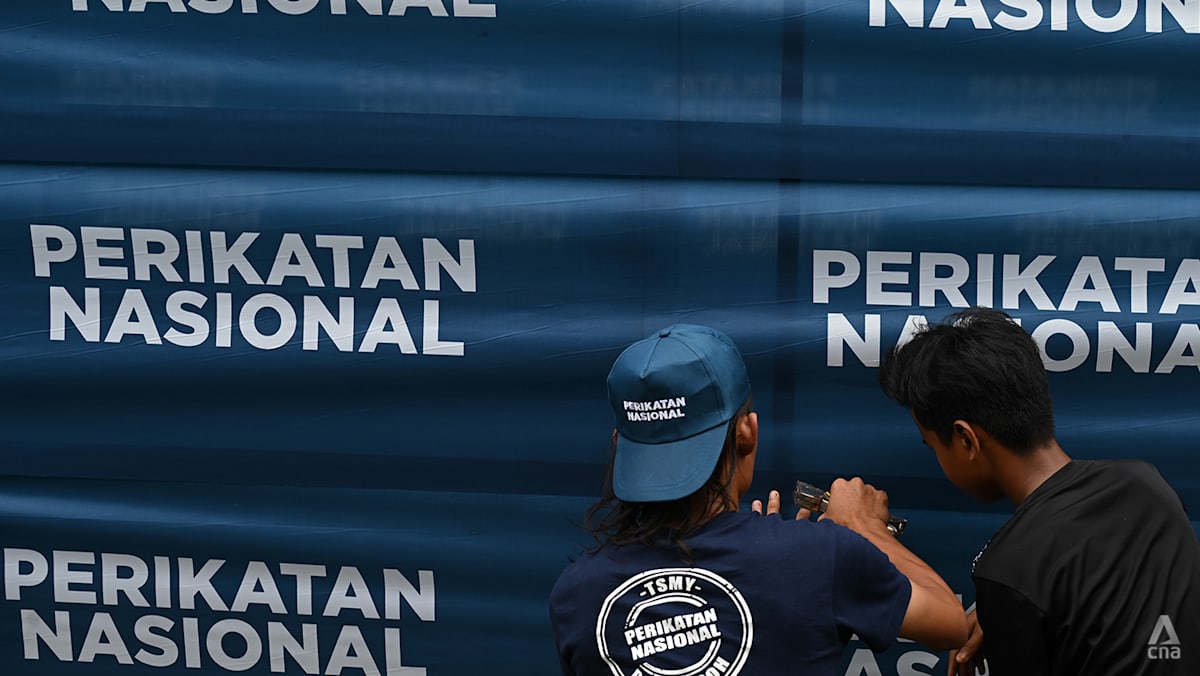
The break-up puts the fate of the Perikatan Nasional (PN) opposition pact in serious question. According to CNA, the severance of ties between its two most influential members throws the entire bloc into turmoil. PN was designed as a vehicle to challenge the current administration by uniting various Malay-centric interests under one banner.
Without the cohesion between PAS and Bersatu, the opposition lacks a unified front. This fragmentation creates several immediate risks for the PN bloc:
- Loss of Electoral Synergy: In previous elections, PAS and Bersatu avoided competing against each other in the same constituencies to maximize the Malay-Muslim vote. A formal break-up could lead to three-cornered fights, splitting the conservative vote and benefiting the ruling Unity Government.
- Leadership Vacuum: The coalition’s structural integrity relied on the mutual support of these two parties. Without a shared agreement, the decision-making process within PN becomes paralyzed.
- Member Defections: Political instability often triggers a wave of party-hopping. Members of smaller parties within the PN umbrella may seek more stable alliances if the core partnership is gone.
The South China Morning Post reports that the opposition bloc is currently in a state of turmoil, reflecting the urgency of the crisis. The collapse of this partnership removes the primary mechanism the opposition used to project a unified alternative to the government led by Prime Minister Anwar Ibrahim.
Why is Bersatu expected to be hit harder than PAS?
Political analysts interviewed by Malaysiakini indicate that Bersatu will likely bear the brunt of this political divorce. The disparity in impact stems from the different ways these two parties derive their power and legitimacy.
“Bersatu is expected to be hit hard over PAS’ decision,” analysts noted, suggesting that the party’s survival as a major political force was heavily dependent on its alliance with the grassroots machinery of PAS.
The following table outlines the comparative strengths of the two parties to illustrate why Bersatu is more vulnerable:
| Feature | PAS (Parti Islam Se-Malaysia) | Bersatu (Parti Pribumi Bersatu Malaysia) |
|---|---|---|
| Base of Support | Deep grassroots support, particularly in the “Malay Heartland” (Kelantan, Terengganu). | Largely reliant on elite political networks and strategic alliances. |
| Ideological Core | Political Islam and the implementation of Sharia. | Malay nationalism and “Pribumi” (indigenous) rights. |
| Electoral Independence | Can win seats independently due to a loyal, faith-based following. | Often struggles to win seats without a coalition partner to avoid vote-splitting. |
| Institutional Strength | Strong religious infrastructure and community networks. | Political structure built around key figures and leadership. |
Because PAS possesses a loyal and organic voter base, it can survive—and perhaps even thrive—as a standalone entity or as the dominant partner in a new pact. Bersatu, conversely, lacks the same level of grassroots penetration. Without PAS to provide the “ground game” and the religious endorsement, Bersatu risks becoming a marginal player in the Malay political landscape.
What does a “Malay-centric pact” mean for Malaysia politics?
The break-up is seen by many as a clearing of the path for a new Malay-centric pact. This refers to a political alliance specifically designed to champion the interests of the Malay-Muslim majority, but potentially under a different ideological or leadership structure than what existed in Perikatan Nasional.

The shift from nationalism to religious identity
For years, Malay politics has balanced two pillars: Ketuanan Melayu (Malay Supremacy/Nationalism) and Islamism. Bersatu represented the nationalist wing, while PAS represented the religious wing. The current split suggests a possible shift where the religious identity (PAS) takes precedence over the ethnic nationalist identity (Bersatu).
If PAS leads a new pact, the focus may shift more heavily toward religious governance and the “Green Wave”—the surge in support for Islamic parties seen in recent elections. This could alienate moderate Malays but strengthen the party’s hold over the conservative core.
Potential for new alignments
The dissolution of the PAS-Bersatu tie creates an opening for other players. This could include:
- UMNO’s Role: The United Malays National Organisation (UMNO), currently part of the Unity Government, remains the traditional titan of Malay politics. A fragmented opposition may allow UMNO to reclaim its position as the sole protector of Malay interests.
- Small Party Integration: Various smaller Malay parties may now look to PAS as the only viable vehicle for conservative politics, further consolidating power in the hands of the Islamic party.
- Cross-Bloc Negotiations: While unlikely in the short term, the collapse of PN could lead to unexpected negotiations between PAS and other entities to ensure they remain relevant in the next general election.
This realignment is significant because it changes how the opposition communicates with the electorate. A new pact would need to redefine what “Malay-centric” means in a modern Malaysia—whether it remains focused on ethnic privileges or shifts toward a more comprehensive religious agenda.
How does this instability affect the current Unity Government?
The turmoil within the opposition generally provides a tactical advantage to the ruling Unity Government. When the opposition is divided, it struggles to present a coherent alternative policy platform or a unified challenge to government legislation in Parliament.
However, the situation is not entirely simple. A more “pure” Malay-centric pact led by PAS could potentially be more aggressive and focused than the previous PN coalition. If PAS is no longer tethered to the more pragmatic or nationalist constraints of Bersatu, it may push for more hardline religious policies to distinguish itself and attract voters.
Moreover, the government must monitor how this split affects its own partners. UMNO, in particular, keeps a close eye on the Malay-Muslim vote. If a new, powerful pact emerges from the PAS-Bersatu ruins, UMNO may feel pressure to shift its own positioning to avoid losing more ground to the conservative right.
The primary implication for the administration is a shift in the nature of the opposition. Instead of facing a broad-based coalition (PN), the government may now face a more ideologically driven, religious-centric movement that is harder to negotiate with or appease through traditional political concessions.
Common misconceptions about the PAS-Bersatu split
Several misconceptions often arise during such political upheavals. It is important to distinguish between reporting and speculation:
Misconception 1: The break-up means the end of Malay-centric politics.
On the contrary, the reports from CNA and others suggest this paves the way for a new Malay-centric pact. The goal remains the same—dominance over the Malay-Muslim electorate—but the method and the partners are changing.
Misconception 2: PAS is joining the government.
There is no evidence in the current reports to suggest that PAS is moving toward the Unity Government. The move is framed as a strategic realignment within the opposition or a search for new partners, not a surrender to the current administration.
Misconception 3: Bersatu will immediately disappear.
While analysts suggest Bersatu will be “hit hard,” political parties in Malaysia often survive through strategic pivots or by clinging to specific influential figures. However, their role as a primary power broker is severely diminished.
Frequently Asked Questions
Who officially announced the PAS-Bersatu break-up?
The announcement was made by PAS President Abdul Hadi Awang, as reported by The Straits Times.
What is Perikatan Nasional (PN)?
Perikatan Nasional is an opposition political coalition in Malaysia that was primarily built on the alliance between PAS and Bersatu to consolidate Malay-Muslim political support.
Why is this event important for Malaysia’s future elections?
This split could lead to three-cornered fights in Malay-majority seats, potentially splitting the conservative vote and altering which party emerges as the dominant voice for the Malay community.
Will this lead to a new political party?
While not explicitly stated, the “new Malay-centric pact” mentioned by analysts could either be a new coalition of existing parties or a catalyst for the formation of a new political entity.
How does this affect Prime Minister Anwar Ibrahim?
A divided opposition generally makes it easier for the government to pass legislation and maintain stability, although it may lead to more polarized rhetoric from a more ideologically focused PAS.
The trajectory of Malaysian politics now depends on how quickly PAS can organize its new alignment and whether Bersatu can find a way to remain relevant without its most powerful ally. The focus remains on the “Malay heartland,” where the struggle for the soul of the conservative electorate continues to define the nation’s political direction.
