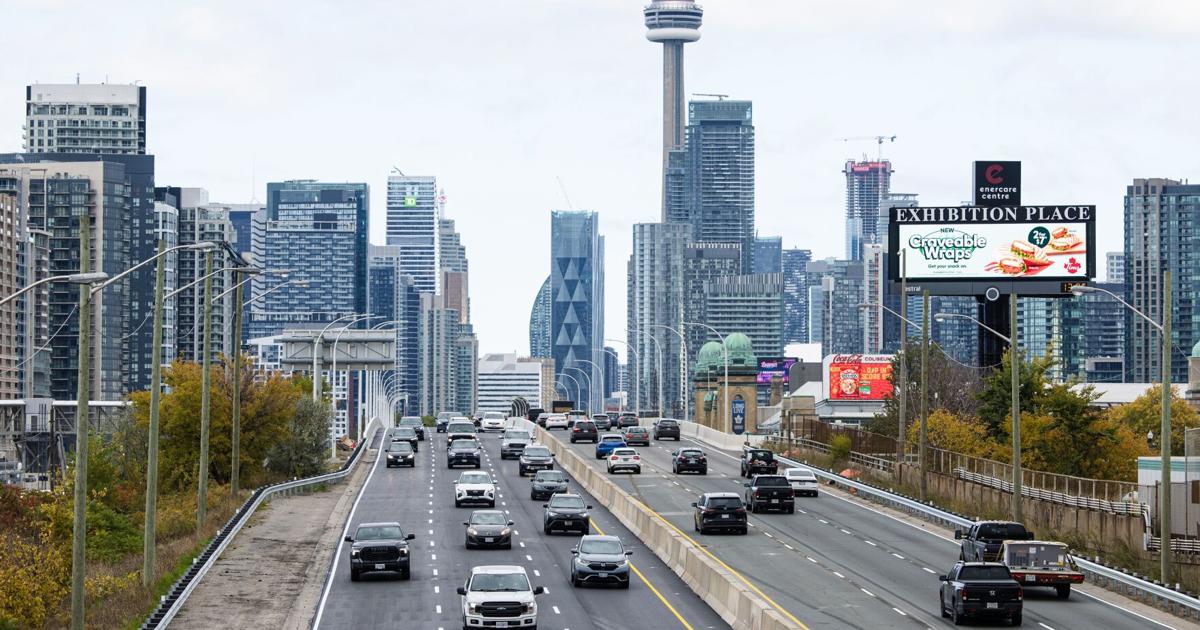
Gardiner, DVP to finally become Ontario’s responsibility next fall – Toronto Star: A New Era for Toronto’s Transit Arteries
In a move that signals a seismic shift in the financial and operational management of Toronto’s most congested corridors, the Province of Ontario has confirmed it will assume full ownership and responsibility for the Gardiner Expressway and the Don Valley Parkway (DVP). This transition, which is expected to be finalized by the fall of 2027, addresses a long-standing point of friction between municipal and provincial governments regarding who should foot the bill for some of the most expensive infrastructure maintenance in North America.
The announcement, which has sparked widespread discussion following reports that the Gardiner, DVP to finally become Ontario’s responsibility next fall – Toronto Star, brings a level of predictability to the City of Toronto’s budget that has been absent for decades. For the millions of commuters who navigate these arteries daily, the most immediate relief comes from a provincial guarantee: these highways will remain toll-free. This promise aims to quell fears that the “uploading” of these roads would lead to a 407-style payment model for those entering the downtown core.
The Mechanics of the Transfer: What is Actually Happening?
The process of “uploading” infrastructure refers to the transfer of ownership, maintenance obligations, and liability from a lower level of government (the municipality) to a higher one (the province). In this specific case, the City of Toronto will hand over the keys to the Gardiner Expressway and the Don Valley Parkway to the Ministry of Transportation (MTO).
What we have is not a simple paperwork exchange. The transition involves a complex handover of assets, including the physical roadbeds, the drainage systems, the lighting infrastructure, and the ongoing construction contracts currently in place for the Gardiner’s multi-billion dollar rehabilitation project. By the fall of 2027, the province will be the sole entity responsible for every pothole, bridge joint, and snowplow operation on these two routes.
The shift in ownership represents more than just a budgetary adjustment; it is a strategic realignment of how Toronto’s critical transit corridors are managed, moving from a city-funded model to a provincial mandate.
Key Details of the Provincial Takeover
- Target Completion Date: Fall 2027.
- Assets Involved: The entirety of the Gardiner Expressway and the Don Valley Parkway.
- Financial Commitment: The province will absorb the long-term maintenance and capital costs.
- Toll Status: Confirmed to remain toll-free for all users.
- Operational Control: The Ministry of Transportation (MTO) will oversee long-term planning and execution.
Why This Move is Necessary: The Financial Burden on Toronto
To understand why the province is stepping in, one must look at the staggering costs associated with maintaining the Gardiner Expressway. As an elevated highway cutting through a dense urban environment, the Gardiner is an engineering nightmare to maintain. The constant exposure to road salt, the vibration of heavy traffic, and the age of the concrete have led to a state of chronic deterioration.
For years, the City of Toronto has been locked in a debate over whether to tear down the Gardiner or rebuild it. The decision to rebuild—specifically the “elevated” sections—came with a price tag in the billions. For a city already struggling with a massive budget deficit and aging social infrastructure, the cost of the Gardiner’s rehabilitation was becoming unsustainable.
The Don Valley Parkway, while not elevated like the Gardiner, presents its own set of challenges. Located in a flood-prone valley, the DVP requires constant vigilance and expensive repairs following seasonal storms. By moving these costs to the provincial ledger, the City of Toronto can redirect hundreds of millions of dollars toward local roads, transit expansion, and community services.
| Feature | City Ownership (Pre-2027) | Provincial Ownership (Post-2027) |
|---|---|---|
| Funding Source | Municipal Property Taxes / City Debt | Provincial Tax Base / MTO Budget |
| Maintenance Priority | Balanced against city-wide local needs | Integrated into provincial highway network |
| Capital Planning | Short-term municipal budget cycles | Long-term provincial infrastructure strategy |
| Toll Risk | Low (but budget-strained) | Explicitly ruled out by the Premier |
The Political Context: A Win-Win for Ford and Toronto?
From a political standpoint, this move is a calculated victory for Premier Doug Ford. By taking over the Gardiner and DVP, the Premier positions himself as the “builder” and the savior of Toronto’s infrastructure. It eliminates a major point of contention with the Mayor of Toronto and provides the province with direct control over the most critical entry and exit points of Canada’s largest economic engine.
the explicit promise that the roads will remain toll-free is a powerful political signal. In Ontario, tolls are often viewed with skepticism, particularly following the privatization of the 407 ETR. By ensuring the Gardiner and DVP remain free, the province avoids a public relations disaster and secures the support of the vast number of suburban commuters who rely on these roads to reach their jobs downtown.
For the City of Toronto, the “win” is purely financial. The city is effectively offloading a massive liability. This allows the municipal government to focus on transit funding and housing initiatives without the looming threat of a sudden, multi-million dollar bridge repair on the Gardiner draining the city’s coffers.
Implications for the Daily Commuter
While the ownership change happens at the government level, the impact will eventually trickle down to the driver. There are several ways this transition could change the commuting experience:
1. Standardized Maintenance
The Ministry of Transportation (MTO) manages the 400-series highways, which are generally held to a different maintenance standard than municipal roads. Commuters may see a shift in how snow is cleared, how potholes are filled, and how lane closures are managed, as the MTO brings its provincial protocols to these urban stretches.
2. Long-Term Planning and Integration
Currently, the Gardiner and DVP are managed as “city roads” that happen to be highways. Once they become provincial assets, they will be integrated into the broader provincial transportation strategy. This could mean better synchronization between the DVP and the 401, or more cohesive planning for how the Gardiner connects to the QEW.
3. The Toll-Free Guarantee
The most significant concern for residents has been the potential for tolls. The provincial government’s commitment to keep these roads free is a major relief. However, skeptical observers will be watching to see if “toll-free” applies to all lanes or if “express” lanes with tolls could be introduced in the future—though current statements suggest a blanket prohibition on tolls.
Addressing Common Misconceptions
Whenever a major infrastructure shift occurs, misinformation tends to spread. It is important to clarify a few points regarding the Gardiner, DVP to finally become Ontario’s responsibility next fall – Toronto Star news update.
Misconception: The roads will be closed during the transfer.
The transfer of ownership is an administrative and legal process. There is no reason for the roads to be closed for the “handover.” Construction and maintenance will continue as scheduled, simply with a different entity signing the checks.
Misconception: This is a bailout for the City of Toronto.
While it certainly helps the city’s budget, it is more accurately described as a realignment of responsibility. These roads serve as the primary conduits for people from across the Greater Toronto Area (GTA), not just residents of the city. It is logically consistent for the province—which represents the entire region—to manage roads that serve the entire region.
Misconception: The province will now ignore the city’s urban planning goals.
While the province will control the road, the surrounding land and the integration with city streets still fall under municipal jurisdiction. Any major changes to the footprint of the highways would still require significant coordination with the city.
The Road Ahead: What to Watch For
As we move toward the fall of 2027, the transition will likely happen in phases. The first phase will involve the auditing of current assets and the transfer of existing construction contracts. The second phase will likely involve the integration of city maintenance crews into provincial frameworks or the contracting of MTO-approved vendors.
Observers should keep a close eye on the following developments:
- Budget Allocations: How the MTO incorporates the Gardiner and DVP into its annual budget.
- Construction Timelines: Whether the change in ownership accelerates or slows down the current Gardiner rehabilitation projects.
- Inter-governmental Agreements: The specific legal language used in the transfer to ensure that the “toll-free” promise is codified and not just a verbal agreement.
This shift is a recognition that the scale of Toronto’s infrastructure has outgrown the capacity of municipal funding. By treating the Gardiner and DVP as provincial highways rather than city streets, Ontario is acknowledging the reality of the GTA as a single, integrated economic zone.
Frequently Asked Questions
When exactly will the province take over the Gardiner and DVP?
The official transfer of ownership and responsibility is slated to be complete by the fall of 2027.
Will there be tolls on the Gardiner Expressway or Don Valley Parkway after 2027?
No. Premier Doug Ford has explicitly stated that both the Gardiner and the DVP will remain toll-free after the province assumes ownership.
Why is the province taking over these roads now?
The cost of maintaining and rebuilding the Gardiner Expressway is immense. Moving the financial burden from the City of Toronto to the Province of Ontario provides the city with budgetary relief and allows the province to manage these critical regional arteries more effectively.
Will this change how the roads are maintained?
While daily operations may seem similar, the roads will now be managed under the Ministry of Transportation’s (MTO) standards and budgets, which may lead to changes in maintenance schedules and long-term capital planning.
Does this mean the city no longer has a say in how these roads are run?
The province will hold ownership and operational control, but because these highways run through the heart of the city, coordination with the City of Toronto will remain essential for urban planning, emergency services, and local traffic integration.
The transition of the Gardiner and DVP to provincial control marks a pivotal moment in Toronto’s urban evolution. By resolving a decades-long dispute over funding and responsibility, the province is not only stabilizing the city’s finances but also ensuring that the veins of the city’s transport network are managed by the entity best equipped to handle their scale and cost. For the average driver, the hope is that this leads to smoother commutes, better-maintained roads, and the continued absence of tolls on the way into the downtown core.
