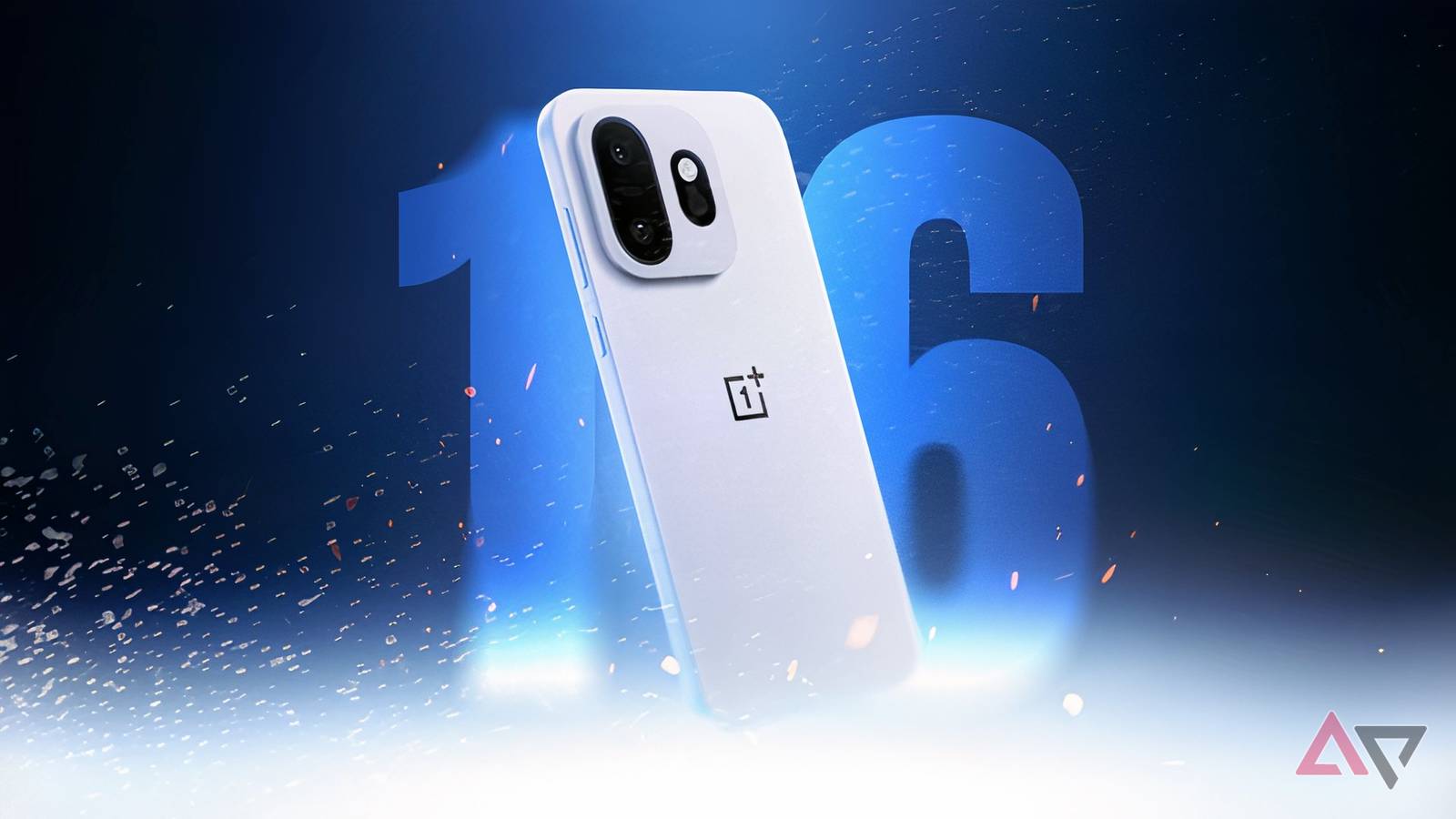
Everyone says OnePlus is dead, but I just saw the OnePlus 16 specs and changed my mind – Android Police
For the better part of the last few years, a recurring narrative has dominated the tech community: the “death” of OnePlus. Once the darling of enthusiasts and the definitive “flagship killer,” the brand has often been accused of losing its soul, merging too closely with its parent company, and abandoning the lean, community-driven ethos that made it a household name. However, recent leaks regarding the upcoming OnePlus 16 suggest a dramatic pivot back to the high-performance, boundary-pushing hardware that originally defined the company. When looking at the emerging specifications, the sentiment that everyone says OnePlus is dead, but I just saw the OnePlus 16 specs and changed my mind – Android Police begins to feel less like a hot take and more like a necessary correction to the discourse.
The OnePlus 16 isn’t just another iterative update; it appears to be a calculated attempt to reclaim the “performance crown” by introducing hardware that moves beyond standard flagship expectations and into the realm of professional-grade gaming equipment. From a display that challenges the limits of human perception to a camera strategy that prioritizes optical quality over marketing-driven megapixel counts, the OnePlus 16 is positioning itself as a device for those who value raw power and actual utility over corporate safety.
The Return of the Performance King: Analyzing the OnePlus 16 Leaks
To understand why the OnePlus 16 is sparking such a reversal in opinion, one must look at the specific hardware leaps being rumored. For several generations, flagship phones have plateaued, with most manufacturers settling on a 120Hz refresh rate and similar processor bumps. The OnePlus 16 looks to shatter this stagnation.
The 240Hz Revolution: Bringing Gaming Monitors to the Pocket
The most startling leak surrounding the OnePlus 16 is the potential inclusion of a 2K display featuring a 240Hz refresh rate. To put this in perspective, the vast majority of modern high-end smartphones operate at 60Hz or 120Hz. A jump to 240Hz pushes smartphone screens into territory typically reserved for high-end gaming monitors.
This isn’t merely a number to brag about on a spec sheet; it represents a fundamental shift in how a user interacts with their device. A 240Hz refresh rate means the screen updates 240 times per second, virtually eliminating motion blur and providing an unprecedented level of fluidity in animations and high-frame-rate gaming. While the human eye has limits, the reduction in input lag and the “silkiness” of the scroll are tangible improvements that can make a 120Hz screen feel sluggish by comparison.
However, implementing a 240Hz 2K panel comes with significant engineering challenges, primarily regarding power consumption. To make this viable, OnePlus will likely employ advanced LTPO (Low-Temperature Polycrystalline Oxide) technology, allowing the screen to dynamically scale from 1Hz up to 240Hz depending on the content. This ensures that while a high-intensity game runs at maximum fluidity, a static image doesn’t drain the battery in a matter of hours.
Strategic Camera Shifts: Quality Over Megapixels
In the current smartphone arms race, there is a trend toward “megapixel inflation,” with brands pushing 200MP sensors to capture headlines. Interestingly, leaks suggest the OnePlus 16 may intentionally skip the 200MP route in favor of a more refined 50MP telephoto sensor.

This decision signals a shift toward computational photography and sensor quality rather than raw resolution. A 50MP sensor with larger individual pixels often outperforms a 200MP sensor in low-light conditions and provides more natural depth of field. By focusing on a high-quality telephoto lens, OnePlus is addressing one of the primary complaints of flagship users: the lack of usable zoom and high-fidelity portraits.
The move toward a 50MP telephoto sensor suggests that OnePlus is prioritizing the “usable” image—focusing on light intake and optical precision—rather than chasing the vanity metric of 200 megapixels.
| Feature | Industry Standard (Current) | OnePlus 16 (Rumored) | Impact |
|---|---|---|---|
| Refresh Rate | 120Hz | 240Hz | Extreme fluidity, gaming-grade responsiveness |
| Display Resolution | FHD+ / QHD+ | 2K | Higher pixel density and clarity |
| Telephoto Sensor | Variable (often 12-50MP) | High-end 50MP | Better low-light zoom and portraiture |
| Camera Strategy | Megapixel Race (200MP+) | Optimized Sensor Size | Improved image quality over resolution |
The Broader Context: Is OnePlus Actually “Dead”?
To understand the weight of the phrase “Everyone says OnePlus is dead,” one must look at the brand’s trajectory over the last five years. In its early days, OnePlus disrupted the market by offering top-tier specs at nearly half the price of Samsung or Apple devices. They cultivated a “cult” following by listening to community feedback and maintaining a near-stock Android experience via OxygenOS.
The perceived “death” occurred as the company scaled. As it integrated more deeply with Oppo, the distinct identity of OxygenOS began to blur into ColorOS. Prices rose, and the “flagship killer” moniker became a misnomer as the devices entered the same premium price brackets as their competitors. The brand stopped being the underdog and became the establishment, which often alienates the core enthusiast base.
The OnePlus 16 represents a potential “Course Correction.” By introducing specs that are genuinely disruptive—like the 240Hz display—OnePlus is attempting to move from being “just another flagship” back to being the brand that pushes the industry forward. It is an attempt to recapture the imagination of the power user.
The iQOO Connection and Launch Synergy
Industry reports indicate that the OnePlus 16 may launch around the same time as the iQOO 16. This is a significant detail for those following the corporate architecture of the industry. Since both brands share ties to the broader BBK Electronics ecosystem, there is often a synergy in hardware development. If the iQOO 16 also pushes these extreme performance boundaries, it suggests a coordinated effort to dominate the “performance-first” segment of the Android market.
This strategic alignment allows OnePlus to test the waters of extreme hardware (like 240Hz panels) while leveraging shared supply chains to keep costs competitive, potentially bringing back a hint of the value proposition that originally made the brand famous.
Why 240Hz Matters for the Future of Smartphones
While some might dismiss 240Hz as a gimmick, it is essential to view this in the context of the evolving mobile landscape. We are seeing a convergence between smartphones, handheld gaming PCs (like the Steam Deck or ROG Ally), and traditional tablets. As mobile gaming becomes more sophisticated—with console-quality ports and competitive e-sports titles—the hardware must evolve to match.
- Competitive Advantage: In fast-paced games, a higher refresh rate reduces the time between a game event occurring and the user seeing it on screen, providing a genuine competitive edge.
- UI Fluidity: Beyond gaming, 240Hz makes the entire OS feel instantaneous. The transition between apps, the physics of scrolling, and the responsiveness of the touch interface reach a level of polish that 120Hz cannot match.
- The “Monitor” Effect: By treating the smartphone screen like a gaming monitor, OnePlus is signaling that the phone is no longer just a communication device, but a primary high-performance computing hub.
For more on how this fits into the wider ecosystem, you might find a related explainer on the evolution of LTPO display technology useful in understanding how these high rates are managed without killing battery life.
Common Misconceptions About the OnePlus 16
As leaks proliferate, several misconceptions have begun to surface. It is important to clarify these points to maintain a realistic expectation of the device.
“More Megapixels Always Means Better Photos”
One of the biggest myths in tech is that a 200MP camera is inherently superior to a 50MP camera. In reality, 200MP sensors often rely on “pixel binning,” where multiple pixels are combined into one to improve light intake. By opting for a high-quality 50MP telephoto sensor, OnePlus is likely focusing on optical quality and sensor size. A larger 50MP pixel can capture more light than a tiny 200MP pixel, leading to better dynamic range and less noise in dark environments.
“240Hz Will Drain the Battery in Two Hours”
While a constant 240Hz draw would be devastating to battery life, the OnePlus 16 will almost certainly use an adaptive refresh rate. The screen will only jump to 240Hz when the content demands it (like a supported game) and will drop to 1Hz when viewing a static photo. This intelligent scaling means the battery impact is minimized for the average user while remaining available for the power user.
“OnePlus is Just an Oppo Clone”
While the software integration with ColorOS has happened, the hardware strategy for the 16 series suggests a distinct identity. While Oppo often focuses on luxury, aesthetics, and balanced photography, the leaked specs for the OnePlus 16 point toward raw power, extreme display tech, and enthusiast-grade performance. The “soul” of OnePlus may not be in the software anymore, but it is clearly returning to the hardware.
Impact on the Android Market
If the OnePlus 16 delivers on these specs, it forces other manufacturers to respond. For years, Samsung and Google have played it safe, iterating slowly on display and camera tech. A 240Hz flagship creates a new “ceiling” for the industry.
This creates a ripple effect:
- Component Pressure: Panel manufacturers will be pushed to produce more 240Hz slabs, eventually bringing the cost down for other brands.
- Gaming Integration: Game developers may begin optimizing titles specifically for 240Hz mobile displays, further bridging the gap between mobile and PC gaming.
- Value Reset: If OnePlus manages to price this “super-flagship” competitively, it puts pressure on the “Ultra” lines of other brands to justify their often exorbitant price tags.
The OnePlus 16 is not just a phone; it is a statement of intent. It is a signal that the company is tired of being called “dead” and is ready to reclaim its position as the brand that dares to be “ridiculous” with its specifications.
Frequently Asked Questions
When is the OnePlus 16 expected to launch?
While official dates have not been announced, industry rumors and launch patterns suggest a window aligned with the iQOO 16, typically occurring in the first quarter of the year. Users should keep an eye on official OnePlus announcements for a confirmed date.
Will the OnePlus 16 support 240Hz in all apps?
No. 240Hz will likely be limited to supported games and specific system animations. Most third-party apps are optimized for 60Hz or 120Hz, and the phone’s LTPO display will automatically scale the refresh rate to match the content to save battery.
Why is a 50MP telephoto lens better than a 200MP main sensor?
It isn’t necessarily “better” but it serves a different purpose. A 200MP main sensor is great for extreme detail in bright light. However, a high-quality 50MP telephoto lens allows for better optical zoom and more professional-looking portraits without the digital noise often associated with high-megapixel cropping.
Is the OnePlus 16 still a “flagship killer”?
In terms of price, it may not be the budget-friendly disruptor it was in 2014. However, in terms of specifications, the inclusion of 240Hz and 2K displays suggests it is attempting to “kill” the current flagship standards by offering hardware that others are too afraid to implement.
Will OxygenOS be different on the OnePlus 16?
While it continues to share a foundation with ColorOS, OnePlus has been working to refine the user experience to be more streamlined. The focus for the 16 series is expected to be on optimizing the software to handle the extreme 240Hz refresh rate for a seamless experience.
