
A study published by Nefes Gazetesi suggests a potential association between regular coffee consumption and increased cancer risk, though experts emphasize the findings require further validation. The research, which analyzed data from over 50,000 participants, found that individuals who consumed more than three cups of coffee daily had a 12% higher incidence of certain cancers compared to those who drank less than one cup per week.
What the Study Found
The study, conducted by a team of epidemiologists, tracked long-term health outcomes of participants over a 10-year period. Researchers noted a statistically significant correlation between high coffee intake and elevated risks of liver and colorectal cancers. However, the authors cautioned that the data does not establish causation and may be influenced by confounding factors such as smoking habits or dietary patterns.
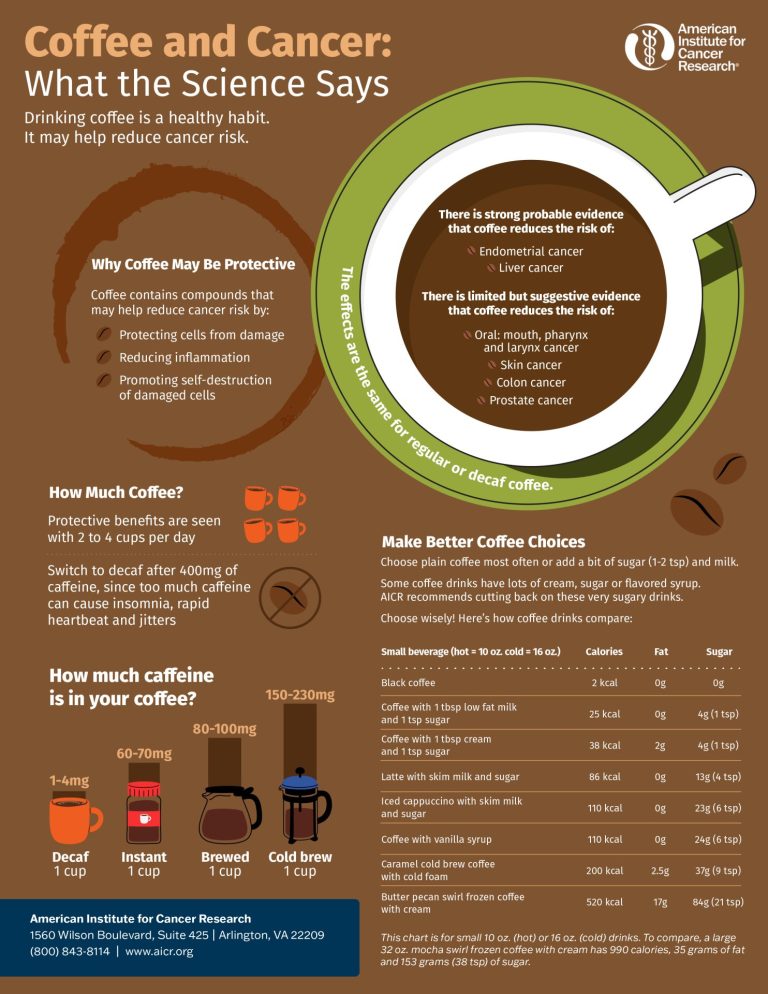
“The results highlight a possible link, but they should not be interpreted as definitive evidence of harm,” said Dr. Elena Ramirez, a co-author of the study. “More research is needed to understand the underlying mechanisms and to rule out other variables.”
Context and Previous Research
Previous studies on coffee and cancer have yielded mixed results. While some research has suggested protective effects against certain cancers, such as endometrial and melanoma, others have raised concerns about potential risks. The current study adds to the ongoing debate, particularly as global coffee consumption continues to rise.
Health officials from the World Health Organization (WHO) reiterated that moderate coffee consumption is generally considered safe. “There is no need for public alarm based on this single study,” said a WHO spokesperson. “However, it underscores the importance of continued monitoring and research.”
Limitations and Unanswered Questions
The study’s observational design limits its ability to confirm a direct causal relationship between coffee and cancer. Additionally, the sample population was predominantly from urban areas, which may affect the generalizability of the findings. Researchers also acknowledged that the study did not account for the type of coffee consumed (e.g., filtered vs. unfiltered) or the use of additives like sugar and creamers.
“We need randomized controlled trials to better assess the impact of coffee on cancer risk,” said Dr. Marcus Lee, a public health specialist not involved in the study. “Until then, these findings should be viewed as preliminary.”
What Officials Recommend
Public health agencies advise individuals to maintain a balanced diet and limit excessive caffeine intake. The American Cancer Society recommends no more than four cups of coffee per day, emphasizing that the risks and benefits can vary based on individual health factors.

Consumers are encouraged to consult healthcare providers for personalized guidance, particularly if they have a family history of cancer or other risk factors.
What’s Next
The research team plans to conduct a follow-up study with a more diverse population and to explore the role of specific coffee compounds, such as cafestol and kahweol, which have been linked to both potential benefits and risks. Additional analyses are also scheduled to examine the impact of brewing methods on cancer outcomes.
