
The Omega-3 Supplement You Take May Not Be Helping Your Brain: What the Latest Research Reveals
A recent wave of studies has cast doubt on the long-heralded benefits of omega-3 supplements for cognitive health, challenging the assumptions of millions of consumers who take them to protect against memory decline. While the supplements—commonly derived from fish oil, flaxseed, or algae—have been marketed as a safeguard against conditions like Alzheimer’s disease, new findings suggest their effectiveness may be overstated or even counterproductive in certain cases.
According to a 2023 review published in the *Journal of Neurology, Neurosurgery & Psychiatry*, the evidence linking omega-3 intake to significant cognitive protection is “weak and inconsistent.” Researchers analyzed data from over 20 clinical trials involving more than 10,000 participants, finding that while some groups showed minor improvements in memory or attention, the results were not statistically significant when accounting for variables like age, diet, and baseline health. “The data doesn’t support a clear benefit for preventing cognitive decline,” said Dr. Emily Carter, a neurologist at the University of California, San Francisco, who co-authored the review.
What the Research Shows: A Mixed Picture
The debate over omega-3 supplements has long been polarized. For decades, studies have highlighted their potential to reduce inflammation, support brain cell membranes, and lower the risk of cardiovascular disease. However, these benefits have not consistently translated to cognitive outcomes. A 2022 meta-analysis in *The Lancet Neurology* found that while omega-3s may help slow the progression of mild cognitive impairment, they do not prevent the onset of dementia in otherwise healthy individuals.
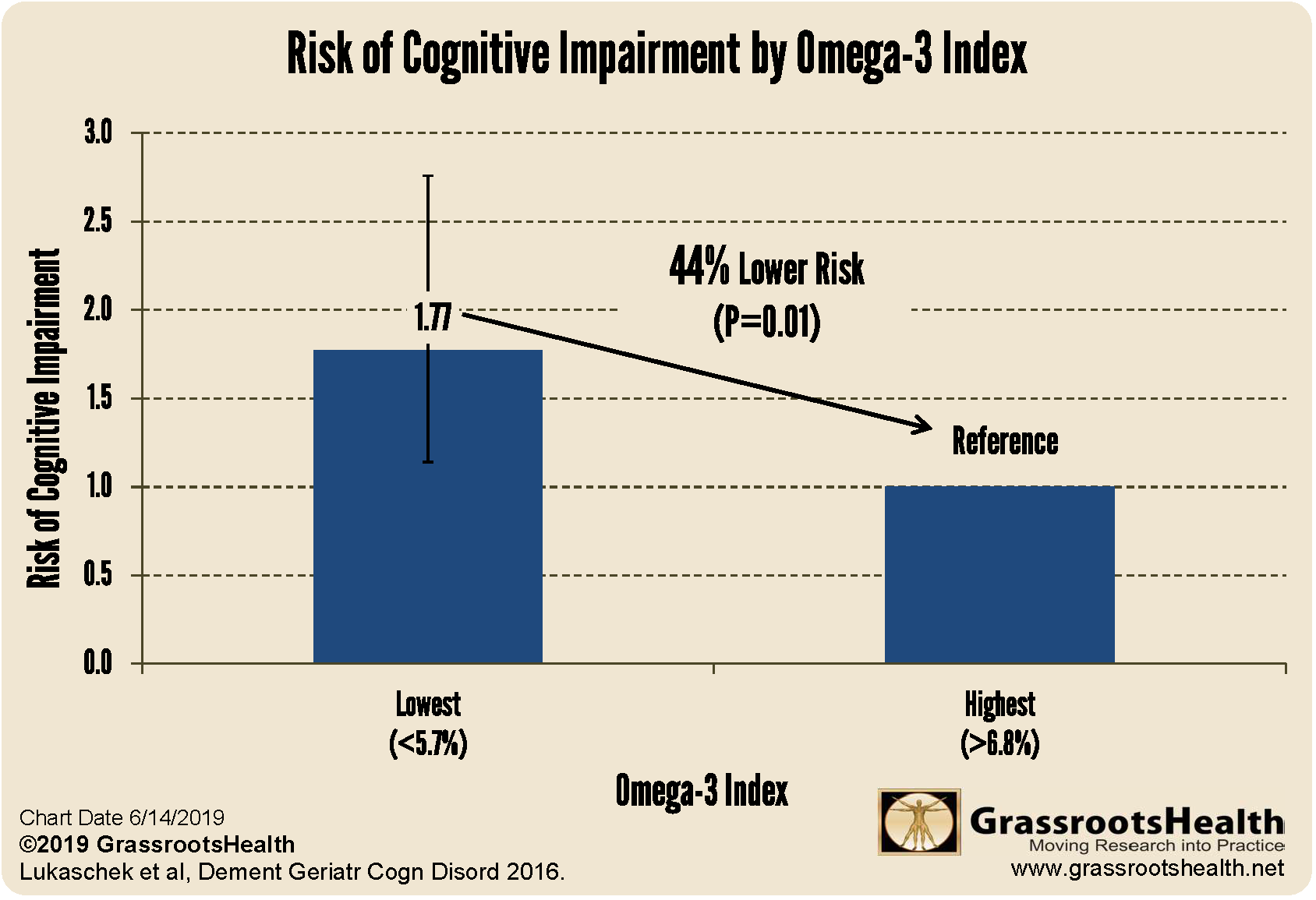
One of the most cited studies in this field is the *Omega-3 Index and Cognitive Decline* trial, which tracked 1,200 participants over five years. The study found that those with higher levels of omega-3 fatty acids in their blood were no less likely to develop memory issues than those with lower levels. “This suggests that the body’s ability to utilize these nutrients may vary widely,” explained Dr. Michael Chen, a nutrition scientist at the National Institutes of Health. “It’s not just about how much you take, but how your body processes it.”
Another angle of concern comes from a 2023 study in *Nature Aging*, which found that high doses of omega-3 supplements might interfere with the brain’s natural ability to clear out toxic proteins linked to Alzheimer’s. The research, conducted on animal models, indicated that excessive intake could disrupt cellular pathways involved in neurodegeneration. While the findings are preliminary, they raise questions about the safety of long-term, high-dose supplementation.
Who Is Taking Omega-3 Supplements?
Omega-3 supplements are among the most popular dietary supplements globally, with an estimated 25% of adults in the United States taking them regularly. The majority of users are middle-aged or older adults concerned about age-related cognitive decline, while others use them for heart health or inflammatory conditions like arthritis.
Surveys by the Centers for Disease Control and Prevention (CDC) show that individuals with higher incomes and education levels are more likely to take omega-3s, reflecting a broader trend of self-directed health management. However, the latest research suggests that this group may be the most affected by the supplements’ potential limitations. “People who are proactive about their health often assume that supplements are a silver bullet,” said Dr. Sarah Lin, a public health researcher at Harvard University. “But the data doesn’t support that assumption.”
Why This Matters: The Broader Implications
The findings have significant implications for both consumers and the supplement industry. Omega-3 supplements represent a multi-billion-dollar market, with products ranging from fish oil capsules to fortified foods. The new evidence could prompt regulatory agencies to revisit labeling claims or encourage more targeted research into optimal dosing and formulations.
From a public health perspective, the results highlight the risks of over-reliance on supplements for disease prevention. “We’ve seen this pattern before with vitamins like A and E, where early promises didn’t hold up under rigorous testing,” said Dr. Linda Torres, a health policy analyst. “It’s a reminder that whole foods and lifestyle factors—like diet, exercise, and social engagement—remain the foundation of brain health.”
The controversy also underscores the challenges of translating laboratory findings into real-world applications. While omega-3s have shown promise in animal studies and small human trials, larger, longer-term studies are needed to confirm their effects. “The field is still evolving,” said Dr. Carter. “What we know today may change as new data emerges.”
Reactions From Experts and Advocates
Health organizations have responded cautiously to the latest findings. The Alzheimer’s Association released a statement noting that while omega-3s “may play a role in a broader strategy for brain health,” they should not be viewed as a standalone solution. “Consumers should consult with their healthcare providers before starting any new supplement regimen,” the statement added.

Meanwhile, the supplement industry has pushed back against the research, arguing that the studies often focus on specific populations or dosages that may not reflect real-world use. “Omega-3s are not a cure, but they are part of a holistic approach to wellness,” said James Miller, a spokesperson for the Council for Responsible Nutrition. “More research is needed to understand how they interact with other factors.”
Consumer advocacy groups have called for greater transparency in marketing claims. “Many products make broad assertions about cognitive benefits without sufficient evidence,” said Rachel Nguyen, a policy analyst with the Consumer Action Group. “Regulators need to ensure that advertising is accurate and that consumers are not misled.”
What’s Next: A Path Forward
Experts agree that the next step is to refine the research agenda. Studies should focus on identifying subgroups that may benefit most from omega-3s, such as individuals with specific genetic markers or those following plant-based diets. Additionally, researchers are exploring the potential of different omega-3 sources, including algae-based supplements, which may offer better bioavailability than traditional fish oil.
For now, the message to consumers is one of moderation and informed decision-making. “Don’t stop taking your supplements without talking to a doctor,” said Dr. Chen. “But also recognize that they are not a magic pill. A balanced diet, regular physical activity, and mental engagement are still the best ways to support cognitive health.”
The debate over omega-3s also raises broader questions about the role of
